
The Short Version
The best aging-in-place appliances remove bending and come with reliable service. The essentials:
-
Service and installation first. Appliances need service about 8.3% of the time in year one.
-
Wall oven and induction cooktop for no-bend, safer cooking.
-
Dish drawers and an undercounter refrigerator drawer at waist height.
-
Front-load laundry raised on pedestals.
-
Avoid integrated refrigerators: too high to reach, up to 44% service rate.
Why Appliance Decisions Differ for Aging in Place
If you have parents who need a new kitchen, or you’re planning ahead for yourself, the problem is different from someone 30 years younger designing a dream kitchen.
The decisions that matter most aren’t about finish or fuel type.
They’re about what happens when things break, who installs them correctly the first time, and which appliances work with you as you age.
What This Article Covers
This article covers nine considerations for an aging-in-place kitchen: service, installation, wall ovens, induction cooktops, dish drawers, undercounter refrigerator drawers, French door vs. side-by-side refrigerators, integrated refrigerators, and laundry.
My Perspective at 62, My Parents’ Kitchen at 90
I’m 62 and finally feeling the effects of a lifetime of running. I can tell you where my own kitchen works and where it doesn’t.
My parents are 90. They remodeled their kitchen over 20 years ago. I can see where it fails them now, what I’d do differently, and what they should do differently if they were planning a remodel today.
Two kitchens. Two generations. One set of lessons.
Let's dive in.
📌 Skip Ahead
Is Service More Important Than the Appliance Brand?
⚡ Quick Answer: Yes. The average appliance needs service about 8.3% of the time in the first year, and that rate increases over time. Knowing who to call before something breaks matters more than the brand name on the front.
The average appliance needs service about 8.3% of the time in the first year, based on 33,190 service calls we tracked. That number increases after the first year.

Refrigerators run 24 hours a day. Dishwashers see 200 cycles. Ovens hit 500 degrees. Things wear out. That’s not a brand problem. That’s the nature of the appliance business.
The question isn’t whether your appliances will fail. The question is who’s coming to fix them, and how fast.
Why Service Matters More When You Don’t Live Nearby
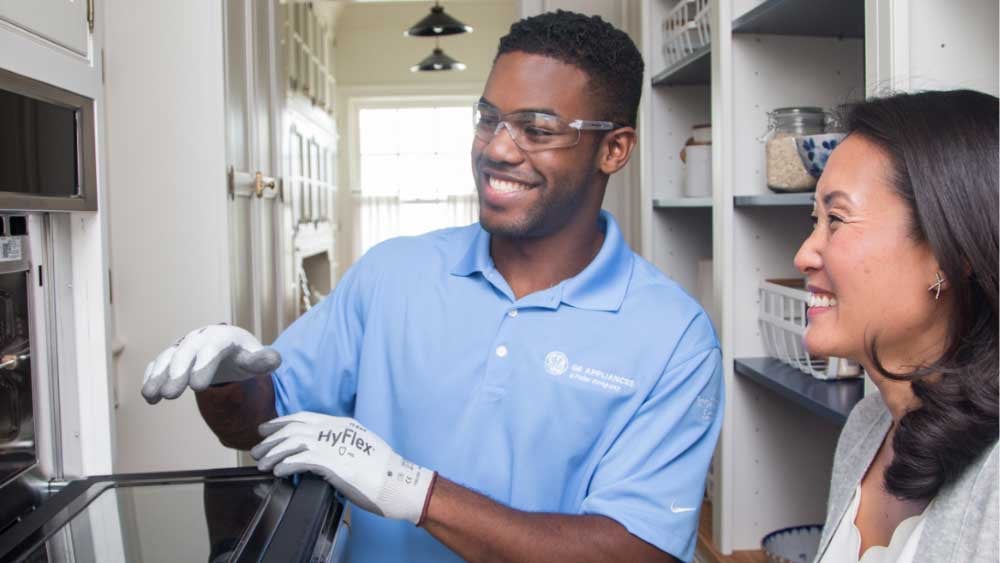
Picture a gas stove that won't light, or an ice maker that's stopped making ice. For you at 45, either is an inconvenience. For your 88-year-old mother alone in the house, it’s the loss of a daily routine until somebody shows up.
If you’re responsible for your parents’ home, you need someone to call for the minor issues before they become larger ones.
What Broke the Most in 2025
Our 2026 reliability data is built from a full 12 months of 2025 service calls. Across the categories we track, here’s where service rates run highest and lowest.
Hardest on the service department:
-
Integrated pro refrigerators: 18.8% to 44.1% first-year service rate. The single worst category, and one of the reasons I tell aging-in-place buyers to avoid integrated entirely (more on that below).
-
Counter-depth refrigerators: 10.1% to 18.2%.
-
All-in-one combo washer/dryers: 9.3% to 13.5%.
-
Wall ovens: 8.8% to 13.1%.
Easiest on the service department:
-
Gas cooktops: 0.0% (Bosch).
-
Induction cooktops: 1.9% (Bosch). Reinforces the case for induction below.
-
Full-size dryers: 2.3% (Speed Queen).
-
Front-load washers: 2.7% (LG).
That breakdown tells you where to focus when choosing appliances, and where to focus when choosing who installs and services them.
🔍 Read more: The Most Reliable Appliance Brands for 2026
How to Find a Service Provider Before You Need One

Google and Yelp reviews tell you which companies actually show up, not which ones have the best website. Look for the ones whose customers write that the technician arrived on time, diagnosed the problem, and didn't oversell the repair.
If you’re buying from a dealer, ask two questions before you sign anything: Do you service what you sell? How fast can you get there?
The alternative is buying from a place with no connection to service, then scrambling to find someone when something fails. That’s a hard position at 45. It’s worse when you’re coordinating it from three states away for a parent.
To illustrate how important service volume is: we logged 33,190 service calls in 2025 across a specific region of Eastern Massachusetts, the Cape, Nantucket, Rhode Island, and Southern New Hampshire, and we only service what we sell.
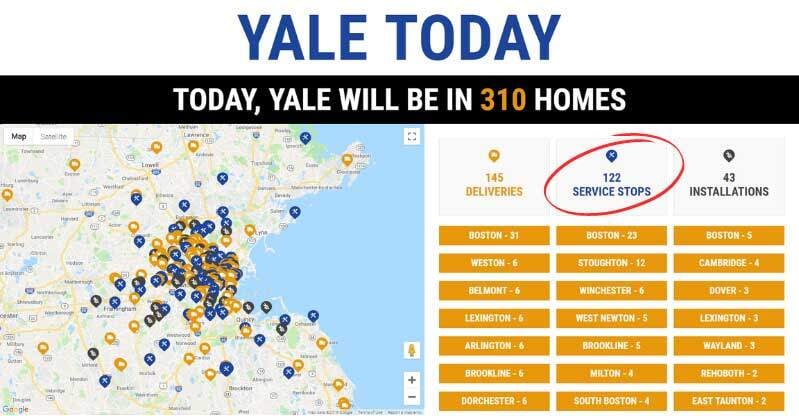
The actual call volume in the region is much larger. That’s worth considering, especially if you don’t live near your parents.
🔍 Read more: Appliance Service 2026: Why Most Stores Skip It & How to Protect Yourself
Does Installation Quality Really Matter for Appliances?
⚡ Quick Answer: It matters enormously. Poor installation often causes more damage than the appliance failure itself, and the problems can take weeks to appear.
A lot of dealers will tell you installation doesn’t matter. We logged over 13,500 installations in 2025, in part because finding good installation is nearly as difficult as finding good service.

Most of what’s in this article requires real installation work.
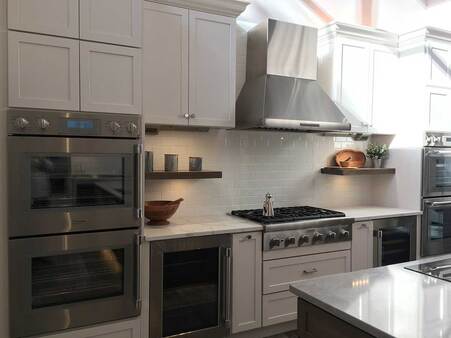
Wall ovens have to be cut into cabinetry and countertops, with granite or stone cutouts and sometimes new electrical hookups.
Dishwashers often need new water lines, drain connections, and proper leveling.
Induction cooktops need granite or stone cutouts and electrical hookups.
Even replacing an existing appliance often means modifying what’s there. Your 1998 wall oven and cooktop aren’t the same dimensions as new models. Cabinetry and countertops often have to be modified.
Why Water Appliances Are the Highest-Stakes Install
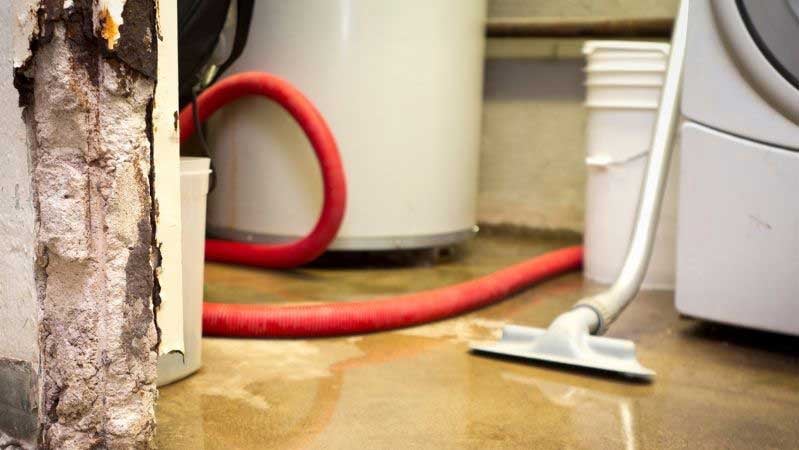
If a dishwasher or washing machine fails at the install, you have water problems.
Most bad installs don’t show up for weeks. By then, the damage is in the cabinetry, the subfloor, or the ceiling of the room below.
For your parents, that’s the kind of problem that becomes much harder to manage from a distance.
How to Find a Good Installer
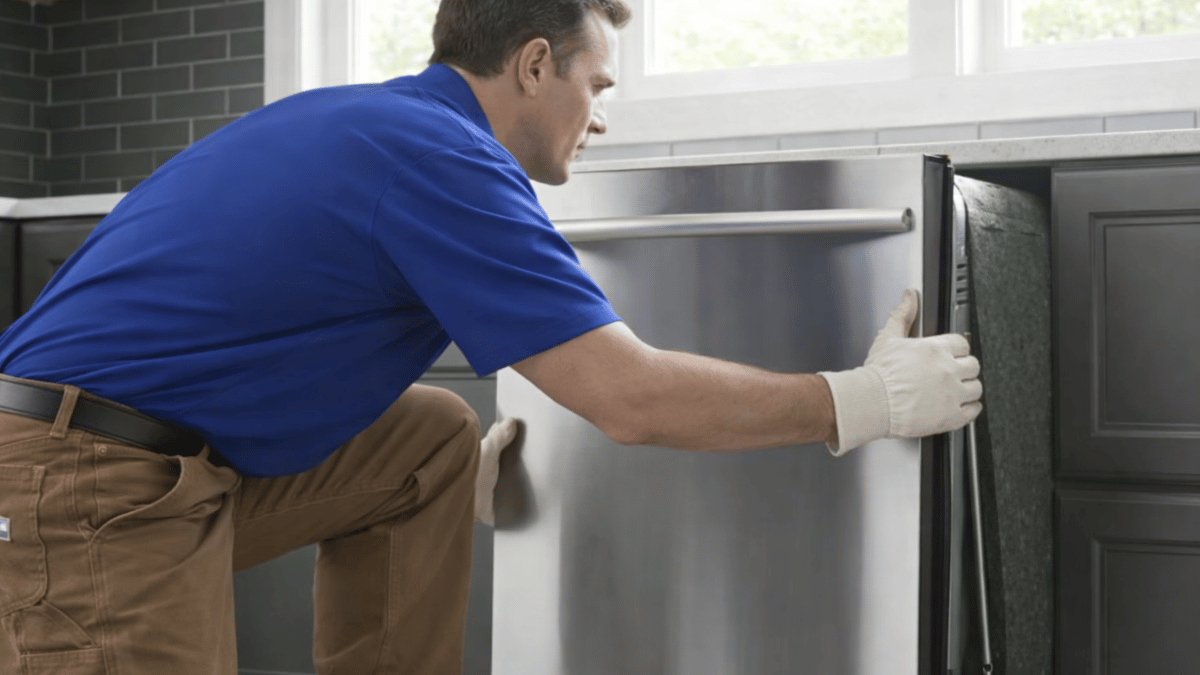
The same rules apply as service. Google and Yelp reviews tell you who does the work right.
Ask who the best installer in the area is. Then ask the dealer whether they use that installer directly or subcontract to whoever’s available that week.
If the dealer is using the same installer you’d hire on your own, you have your answer. If they’re subcontracting to whoever picks up the phone, hire that installer directly and let the dealer drop off the appliance.
🔍 Read more: How Much Does an Appliance Installation Cost?

The Best Aging-in-Place Kitchen Appliances for 2026
1. Wall Ovens
⚡ Quick Answer: A wall oven eliminates the low-level bending that makes a range oven increasingly difficult with age. It’s the single biggest ergonomic upgrade you can make to a kitchen.
A wall oven is the single biggest ergonomic upgrade you can make to a kitchen.
A range oven sits on the floor. You bend to load it, bend to check it, and bend to pull out the turkey with both hands full.
A wall oven sits at counter height or above. You slide the rack in and out at standing height, with no two-foot lift from the floor.
What I Got Right in My Own Kitchen
I have a wall oven with a steam oven on top of it. It’s one of the reasons I like my kitchen. I never have to bend.
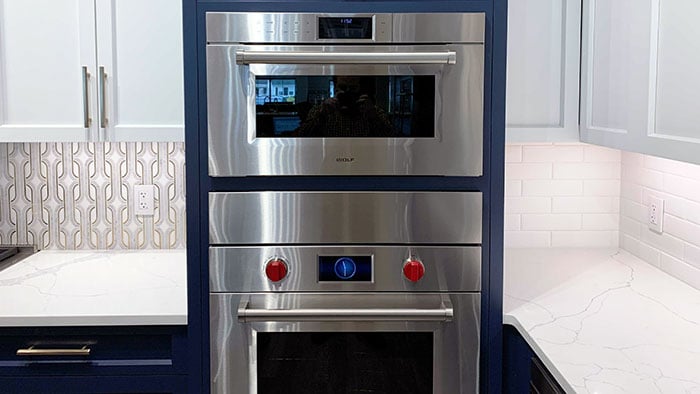
I also have two ovens that do different things, so I’m not making tradeoffs between them. For a kitchen that has to last 20 or 30 years, that combination is hard to beat.
What My Parents Got Wrong
My parents have a 30-inch Wolf range. It’s a beautiful appliance. They bought it 20 years ago when they remodeled, and it still works.
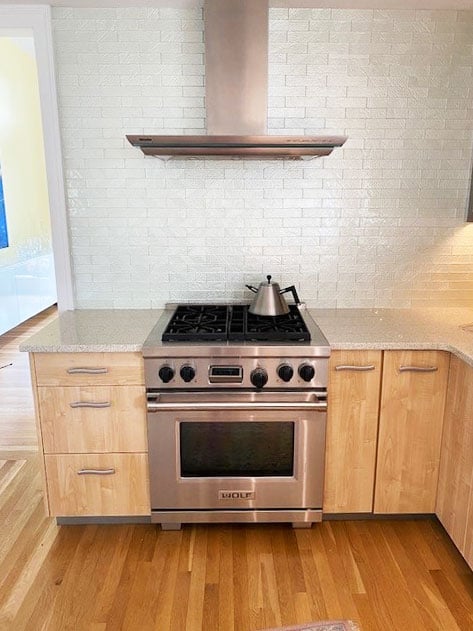
But every time I’m over there, I’m the one lifting dinner out of the oven.
Wall Oven Styles Worth Considering
For active seniors who like to cook, a side-swing or French-door wall oven is a strong alternative to a traditional drop-down door because you’re not lifting food over the door.
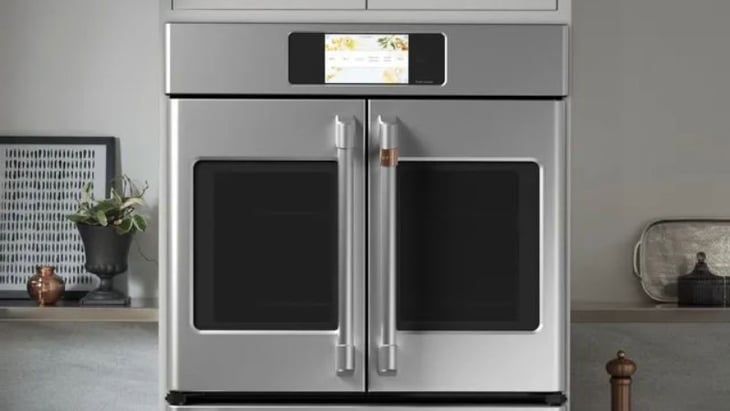
The tradeoff is worth naming. You’re closer to the heat with a side-swing or French-door design, so forearm burns are easier if you’re not paying attention.
For active seniors, that may be the right tradeoff. For someone with limited mobility or balance issues, it may not be.
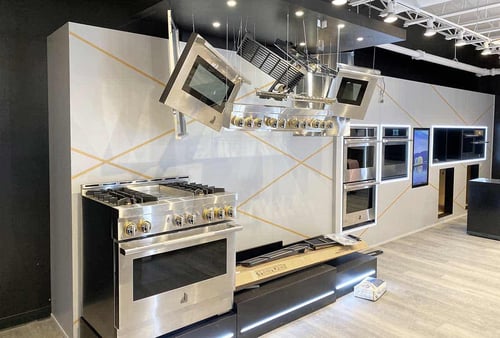
Side-swing wall ovens open like a standard door. Gaggenau, Thermador, and Bosch Benchmark all make them at the premium tier. GE Profile and Café make more affordable options.
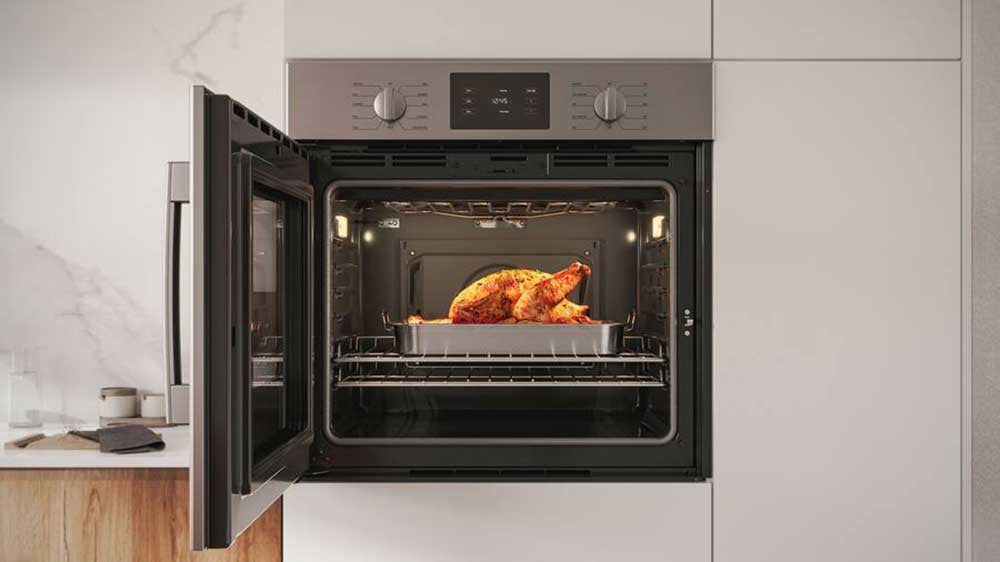
One caution: Thermador’s overall service rate runs about 13.5%, well above the wall oven category average, so the side-swing convenience comes with a reliability tradeoff worth knowing.
French-door wall ovens split in the middle, with both panels swinging out at once.
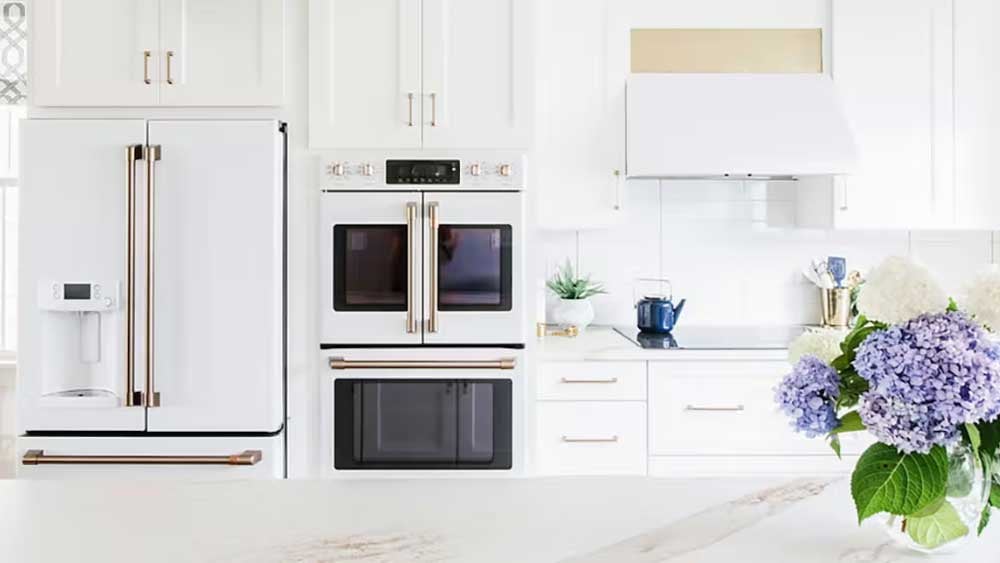
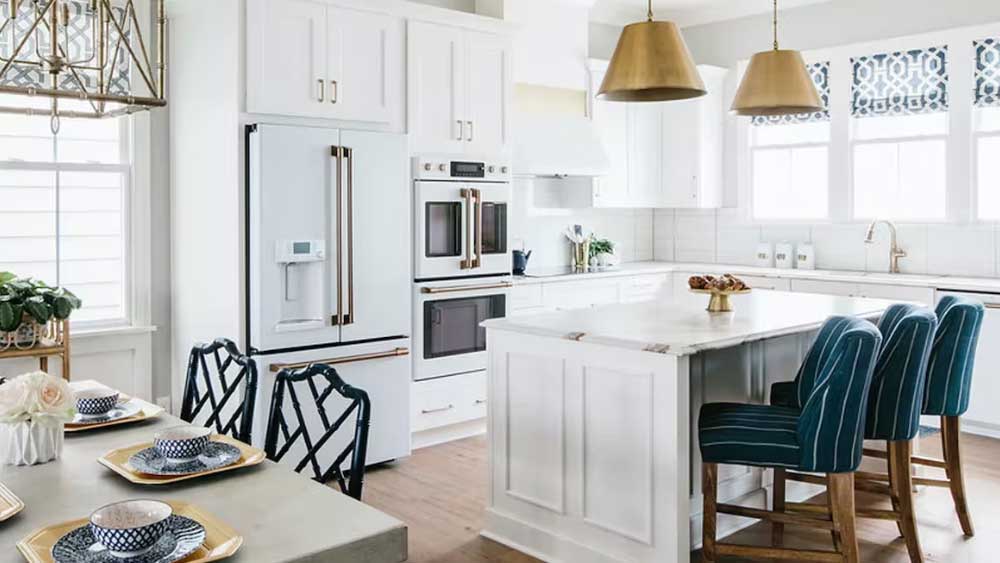
Four brands make them: GE’s Monogram and Café lines, Viking, and BlueStar. If reliability matters to you, Café wall ovens lead the category at 8.8%.
🔍 Read more: The Most Unique Wall Ovens for 2026
2. Induction Cooktops
⚡ Quick Answer: Induction doesn’t produce surface heat without a pan present, making accidental activation far less dangerous than gas or traditional electric.
Induction is the safest cooktop option for an aging-in-place kitchen.
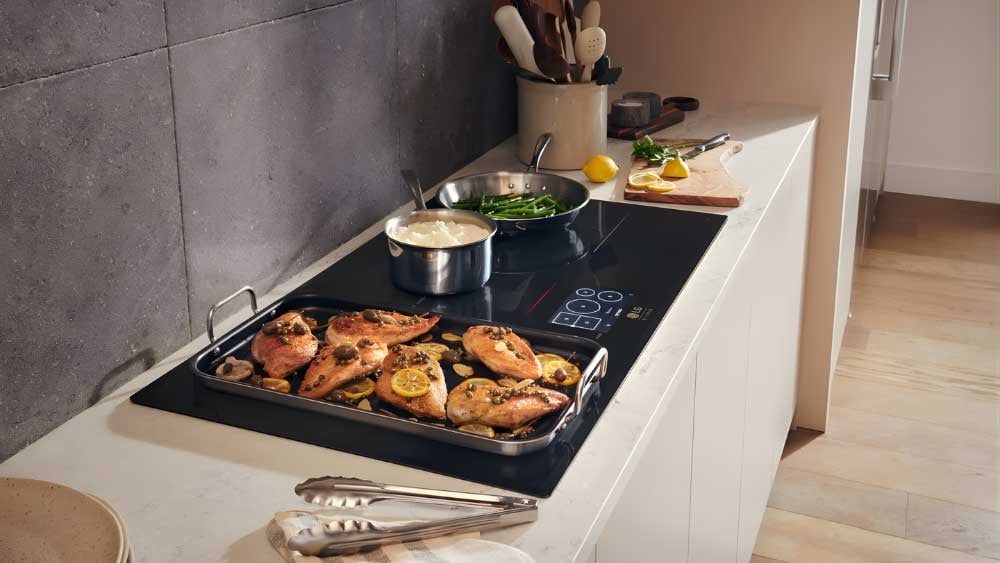
A gas burner has an open flame. A traditional electric coil glows red. Both stay hot after the burner is turned off, and both can be turned on accidentally.
Induction is harder to activate by accident. It works by magnetism: the burner needs a ferrous metal pan on top of it for anything to happen. No pan, no heat.
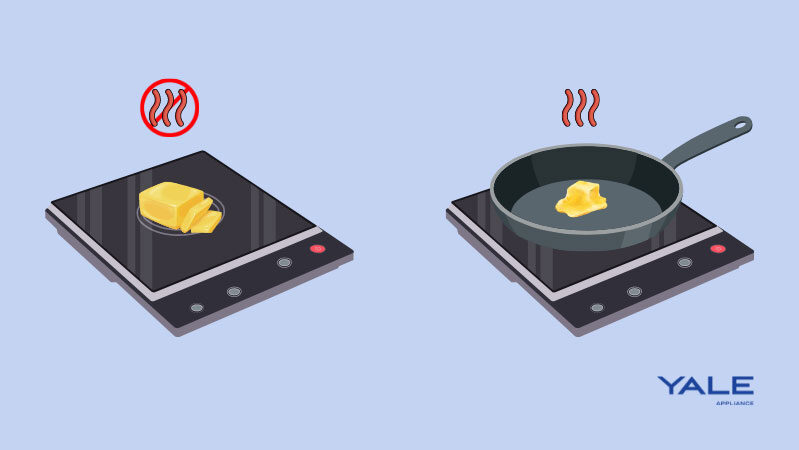
A grandchild pressing the controls, a dish towel falling across the surface, a hand bracing for balance: none of it produces heat.
Induction Doesn’t Get as Hot as Gas or Electric
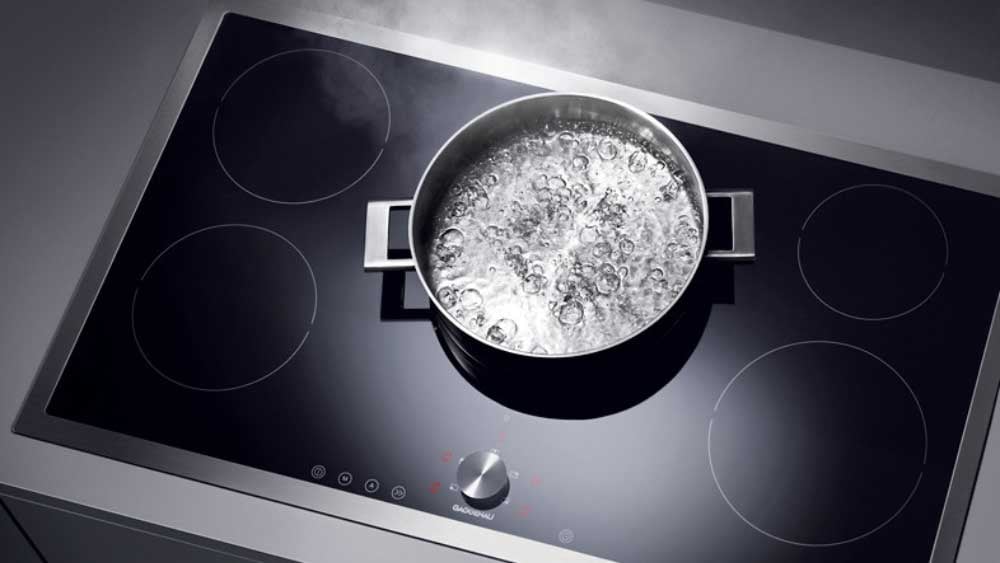
Induction bypasses the glass and heats the pan directly. You do get some residual heat where the pan was sitting, but the surface is much cooler than gas or electric, and the window for a scalding burn is much narrower.
Induction Is Easier to Clean
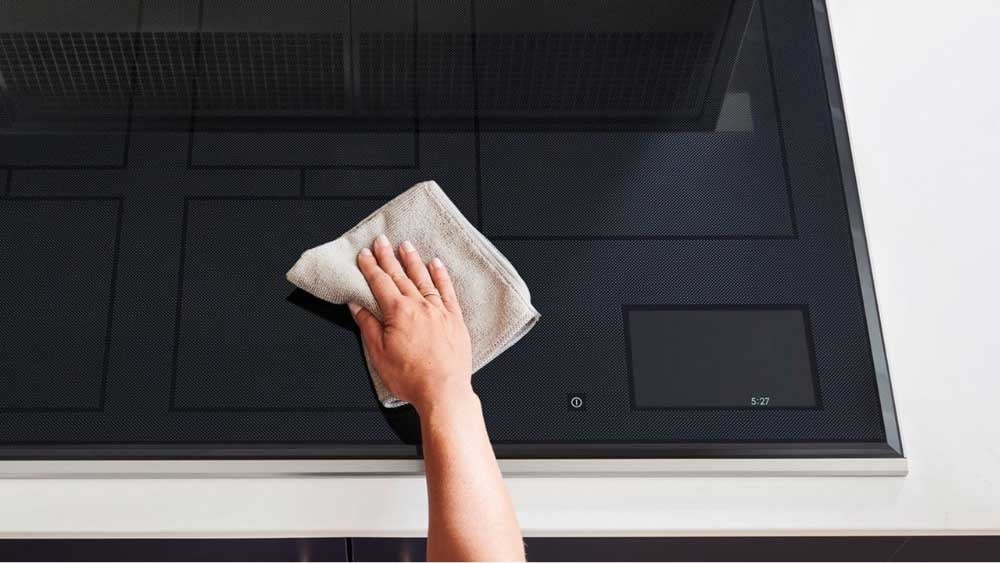
I watched my mother clean her Wolf gas range. She has to lift the grates, which are heavy for her, clean underneath them, clean the burner caps, and put the grates back.
With induction, you wipe it down.
For a 90-year-old, that’s not a minor difference. It’s the difference between cooking and choosing not to cook because cleaning has become its own project.
Induction Is Also One of the Most Reliable Categories We Track
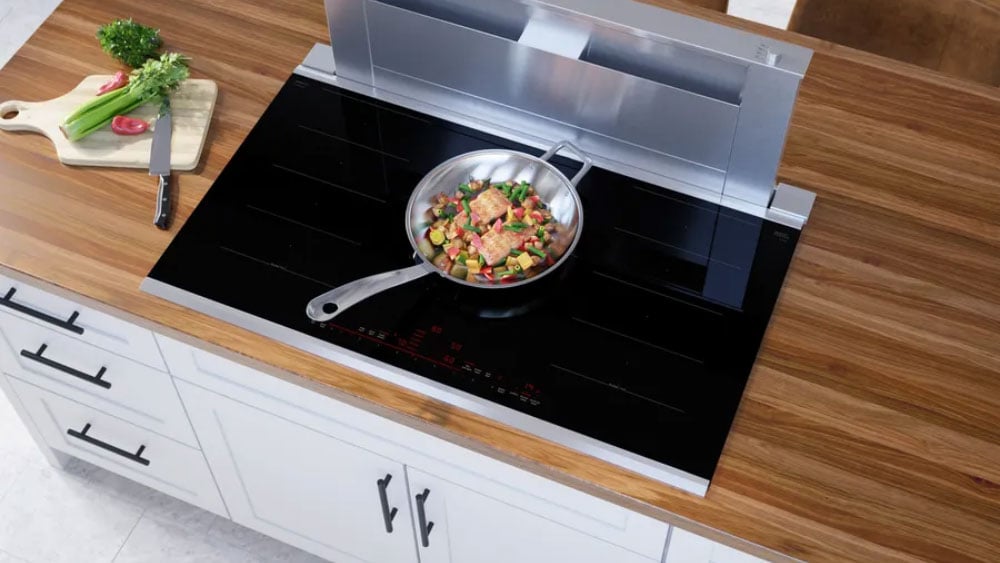
Bosch induction cooktops show a 1.9% first-year service rate across 300+ units sold. Outside of gas cooktops, that’s the lowest service rate of any cooking category in our data.
🔍 Read more: The Most Reliable Induction Cooktops for 2026
3. Dish Drawers
⚡ Quick Answer: Dish drawers pull out at counter height, eliminating the daily bending a standard dishwasher requires.
A standard dishwasher is loaded from the bottom. You bend to load it, bend to unload it, and bend again if you’re rearranging.
For an average household, it’s a daily motion you don’t think about. For a 60-year-old with a new hip, it’s noticeable.
You have two options.
Option One: Dish Drawers
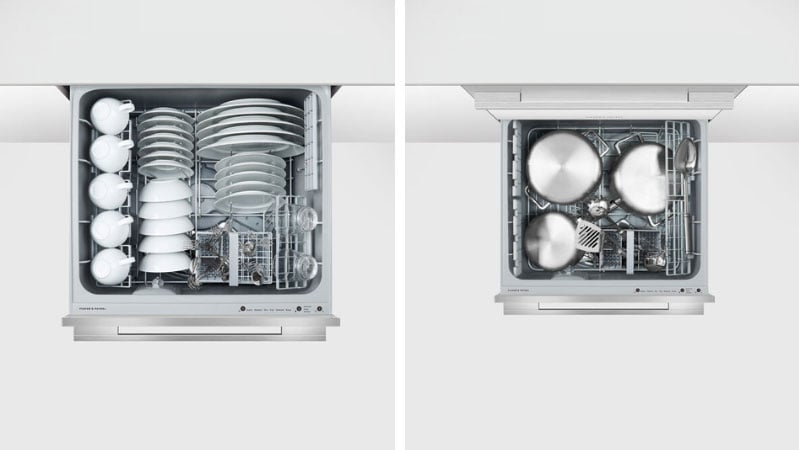
Dish drawers solve the problem by splitting a dishwasher into two independent drawers, each pulled out at counter height.
You can install single drawers on either side of the sink, or install a double-drawer unit and use just the top drawer for everyday loads.
That’s much easier than unloading heavy pots and pans from the bottom rack of a standard machine.
Fisher & Paykel makes 27 dish drawer models across three series. They invented the category and remain the dominant manufacturer. Under the Café name, GE also offers dish drawer dishwashers.
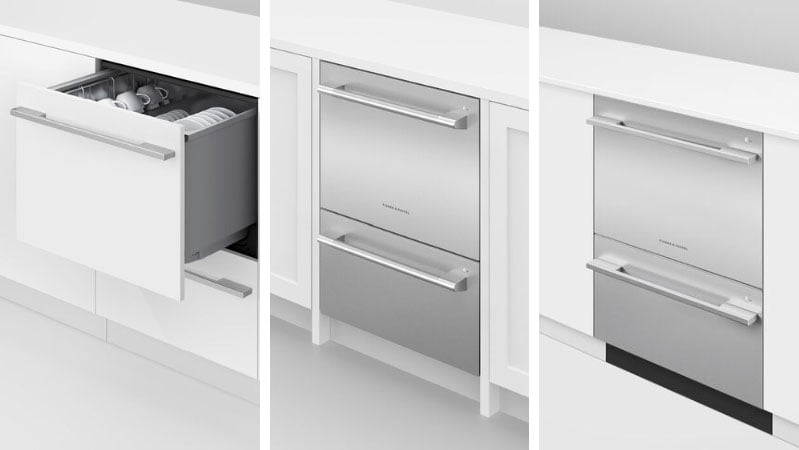
For aging in place, I'd recommend the configuration with the larger top drawer rather than two equal drawers, which puts more capacity at waist height.
What I’d Do Differently in My Own Kitchen
I have a Miele and I love it. Miele also has the lowest first-year service rate of any dishwasher brand in our data at 5.6%, so the reliability has matched my experience.
That said, a dish drawer would be more convenient, especially for the cast-iron pots I use semi-regularly. It’s not as significant an upgrade as a wall oven, but it’s worth considering.
Option Two: Elevate a Standard Dishwasher Off the Floor
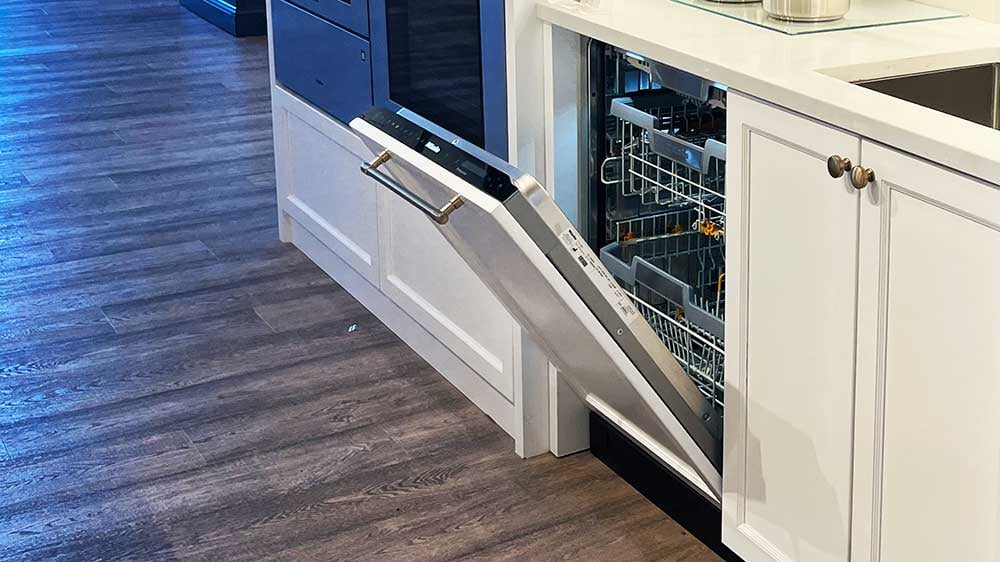
In our Boston showroom, we have a standard dishwasher mounted on top of a base cabinet.
That puts the dishwasher rack at roughly counter height, the same way a wall oven sits at counter height. You load and unload standing up.
You can do this with any standard dishwasher. You need more vertical wall space to fit the cabinet underneath, and the installation needs someone who has done it before.
But it’s a real alternative to dish drawers for homeowners who want the larger capacity of a standard dishwasher without the bending.
4. Undercounter Refrigerator Drawers
⚡ Quick Answer: An undercounter refrigerator drawer installs like a dishwasher and keeps frequently used items at waist height, eliminating the need to open the main refrigerator for everyday items.
I have undercounter refrigerator drawers in my kitchen and I use them every day.
An undercounter refrigerator drawer is a standalone unit installed under the counter like a dishwasher.
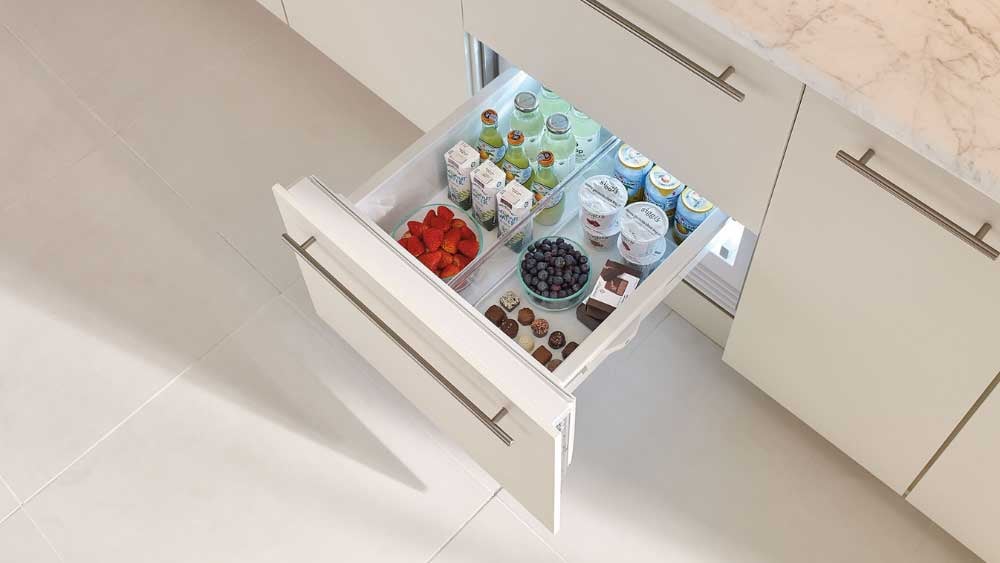
You pull it open and the contents sit at waist height. No bending, no reaching past a shelf to find what’s behind it.
How I Use My Undercounter Refrigerator
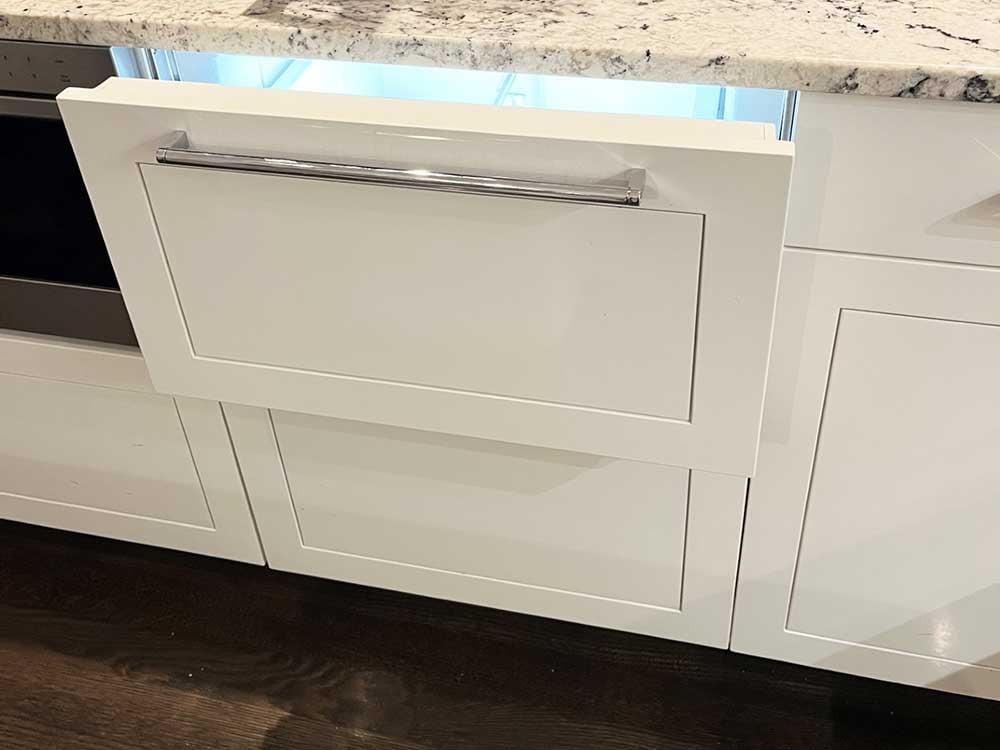
It’s where I keep sparkling water and other things I reach for daily, as well as my daughter’s drinks so she doesn’t have to open the main refrigerator. It stays convenient and out of the way.
Where to Place an Undercounter Refrigerator
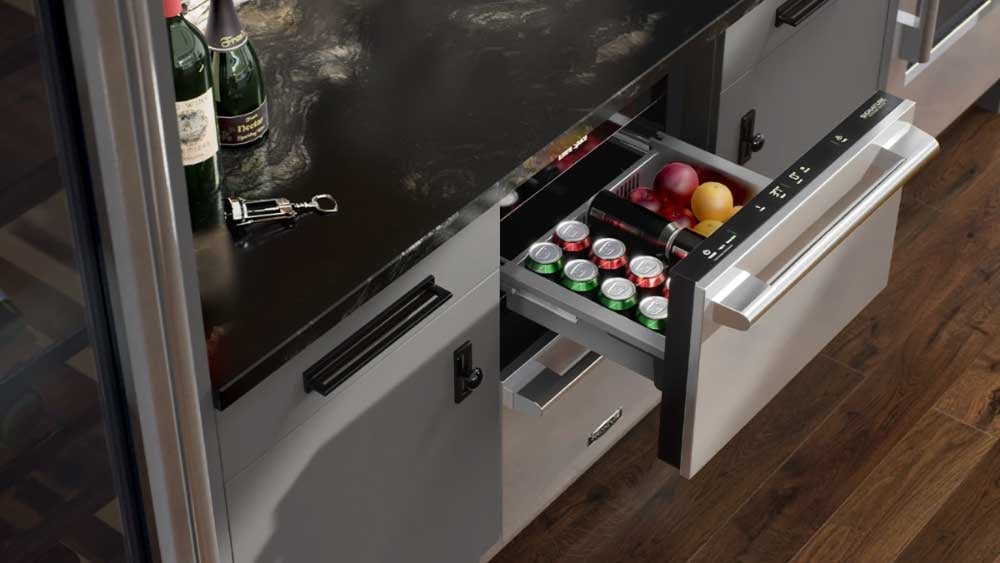
You can install an undercounter refrigerator drawer anywhere in the kitchen: near the sink, in the middle of the workspace, or in a beverage station off the main run.
Like a dish drawer, it’s easy enough to access that you’ll use it more than you expected.
You can also configure each drawer for refrigeration or freezing, so vegetables, drinks, or anything else can live in the spot that makes sense for how you actually cook.
Undercounter Refrigerator Sizes
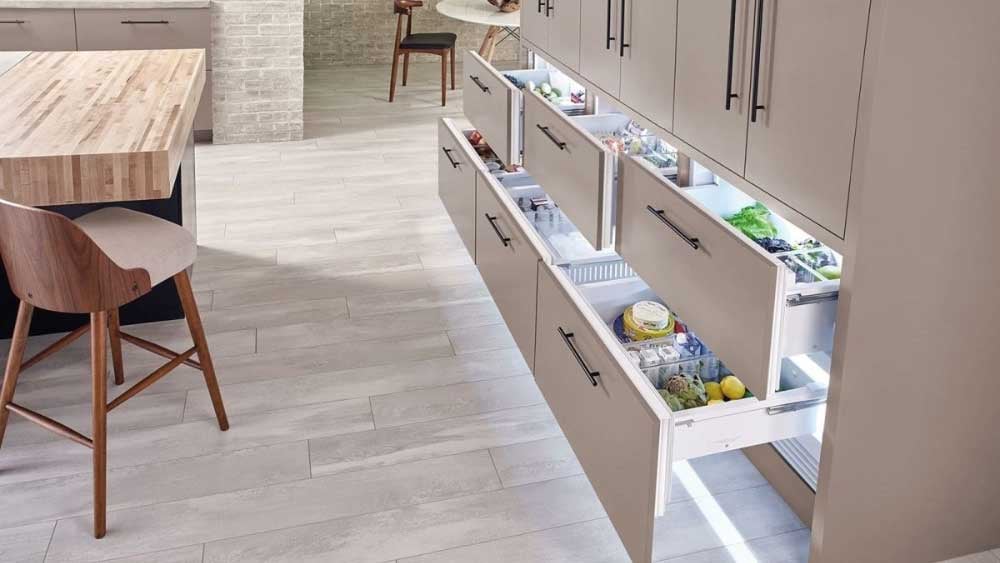
Undercounter refrigerator drawers come in 24-, 27-, and 30-inch widths. The 24-inch fits most under-counter installations. Sub-Zero offers a 27-inch model.
The 30-inch units accommodate enough for a household that wants the drawer to function as a meaningful second cold zone, not just for drinks.
The Downside of Undercounter Refrigerators
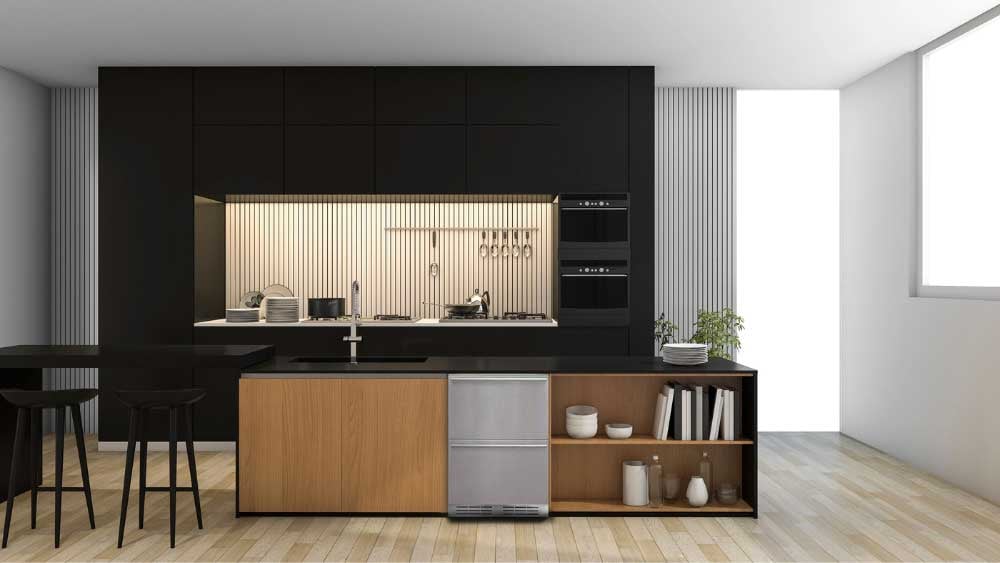
The drawback is cost. Our private-label undercounter refrigerator drawer runs about $2,100. High-end models from other manufacturers go up to $5,000.
For a kitchen renovation that has to last 20 or 30 years, the math works. For a one-off upgrade to an existing kitchen, the price is harder to justify.
🔍 Read more: 4 Best Undercounter Beverage Centers for 2026
5. French Door or Side-by-Side Refrigerators
⚡ Quick Answer: Side-by-side keeps both compartments accessible without bending. French door puts fresh food at eye level but puts the freezer on the floor.
French Door Refrigerator
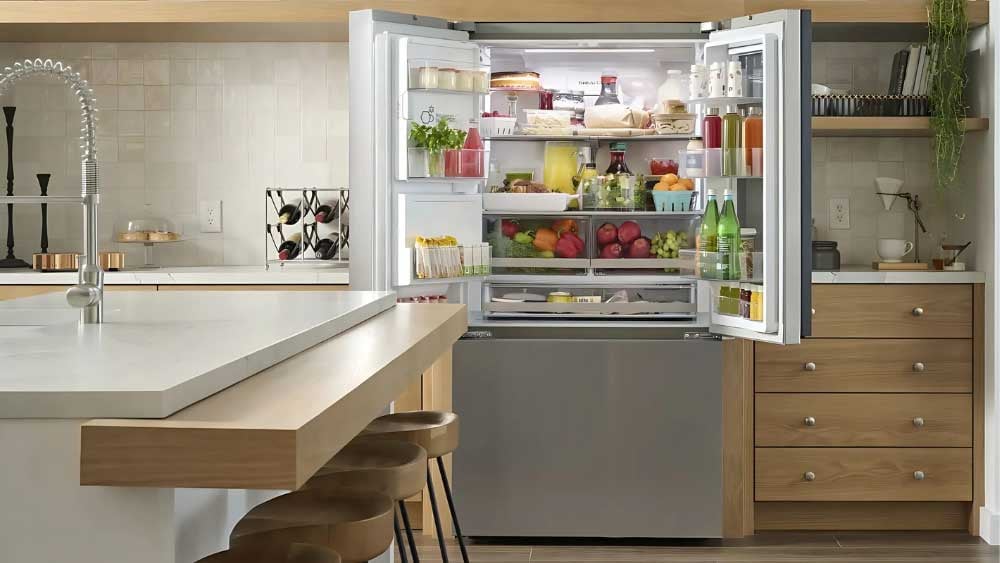
A French-door refrigerator puts fresh food at waist height. Open both doors and everything you reach for daily is right there.
The downside: the freezer is on the floor. I know this personally. I bend for frozen items and tend to bury things in the freezer drawer that I find six months later.
Side-by-Side Refrigerator
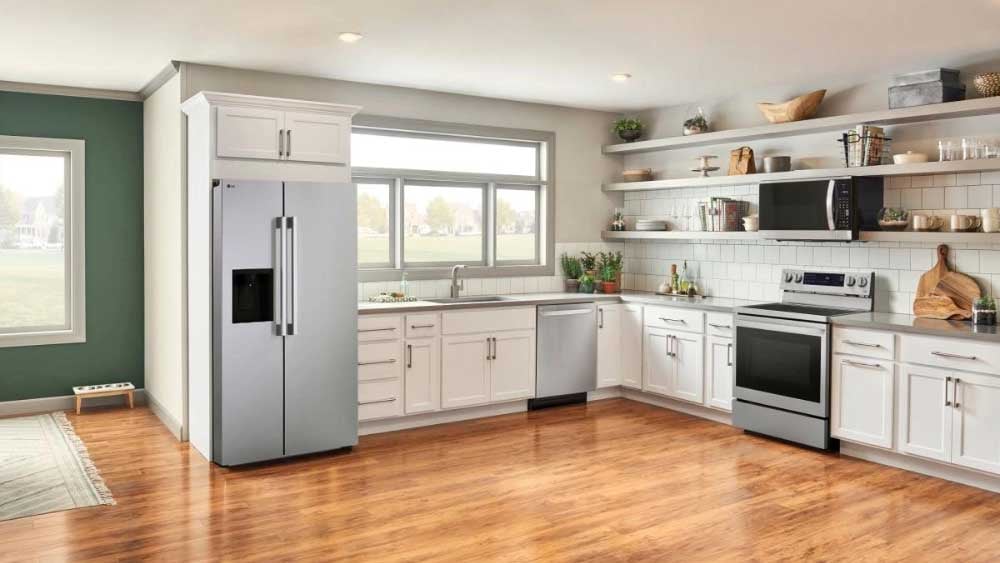
A side-by-side refrigerator puts the freezer and fresh food in vertical columns. Both compartments stay at standing height. You don’t bend for frozen food.
The downside: the produce drawers and the bottom shelves of the fresh-food side are lower than they would be in a French-door model. You’re bending for fruit and vegetables instead.
🔍 Read more: The Most Reliable Counter-Depth Refrigerators for 2026
Avoid Integrated Refrigerators
⚡ Quick Answer: Integrated refrigerators place the compressor at the bottom, pushing the fresh food compartment up beyond reach for older homeowners. They also have the highest service rate of any refrigeration category we track.
An integrated refrigerator sits flush with the surrounding cabinets. It looks great. It’s also the wrong choice for a kitchen that has to age with you, for two reasons.
Reason One: Reach
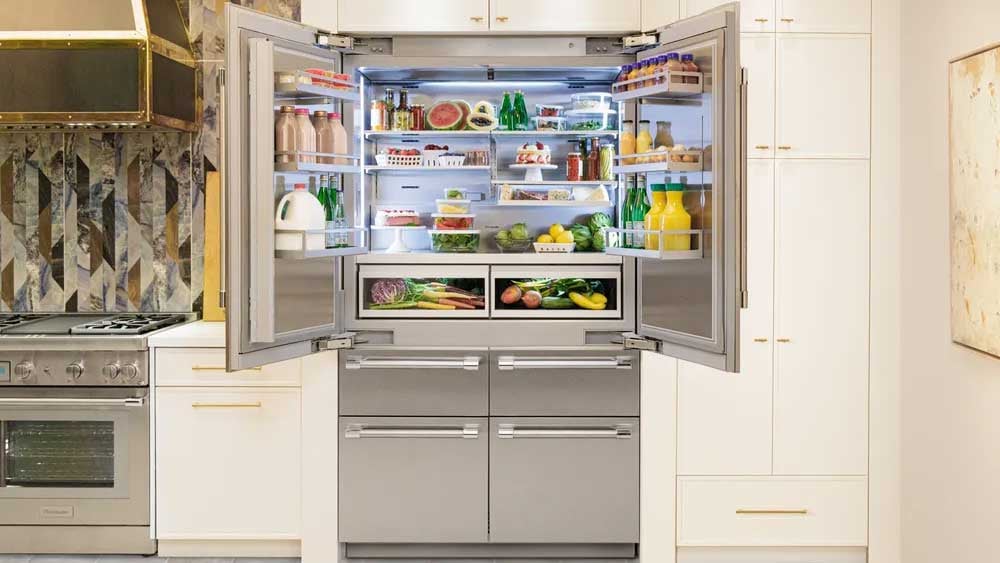
Every integrated refrigerator on the market puts the compressor at the bottom of the unit. Miele, Sub-Zero, Thermador, Gaggenau, and Liebherr all build them this way.
That pushes the fresh food compartment up. On some models, the top shelf sits as high as 87 inches off the floor.
.jpg?width=799&height=450&name=Thermador-Pro-Built-In-Refrigerator-T42BT120NS-adjustable-shelving-(1).jpg)
For a 5’4” woman at 75, that’s a shelf she can’t reach without a step stool. At 85, that’s a shelf she stops using entirely. Food at the back of the top shelf becomes invisible. It expires.
Reason Two: Reliability
Integrated refrigerators also have the highest first-year service rate of any refrigeration category in our data, ranging from 18.8% on the most reliable brand to over 44% on the worst.
For a homeowner who doesn’t want repair technicians in the kitchen every six months, integrated is the wrong direction regardless of reach.
What to Buy Instead
If you’re shopping at the high end, look at a traditional Sub-Zero, Thermador, Viking, JennAir, or Liebherr refrigerator with the compressor on top.
The top of the unit sits at about 60 inches. That’s noticeably more accessible than 87 inches.

If the integrated look matters to the kitchen’s design, a panel-ready traditional model from any of these brands gets you most of the visual cohesion without the reach problem.
If you’re working with a smaller budget, a counter-depth refrigerator from a mainstream brand gives you the built-in look at a much lower price, and the top shelf stays within reach.
For an aging-in-place kitchen on a budget, this is the better tradeoff than stretching for an integrated model.
🔍 Read more: Integrated Refrigerators: Why You Should Think Twice Before Buying
What’s the Best Laundry Setup for Aging in Place?
⚡ Quick Answer: A front-load washer and dryer raised on pedestals or a built platform eliminates the bending problems of both top-load and floor-level front-load machines.
This isn’t a kitchen appliance, but the bending problem follows you into the laundry room.
The Problem With Top-Load Washers
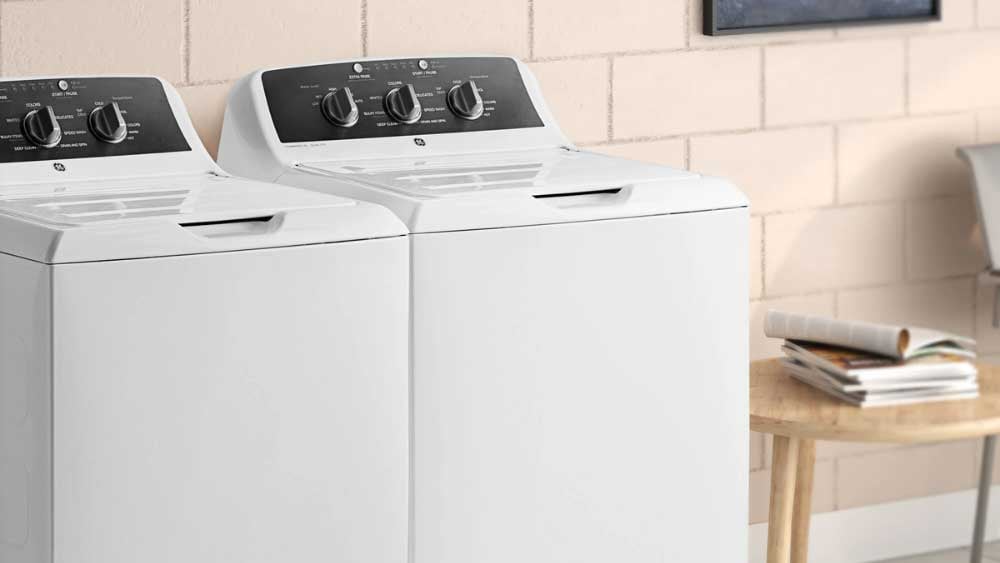
A top-load washer requires reaching into a deep tub. For most people, that means leaning over the edge of the machine with both arms extended.
For an 80-year-old with new knees, that’s a shoulder and back motion that gets harder every year.
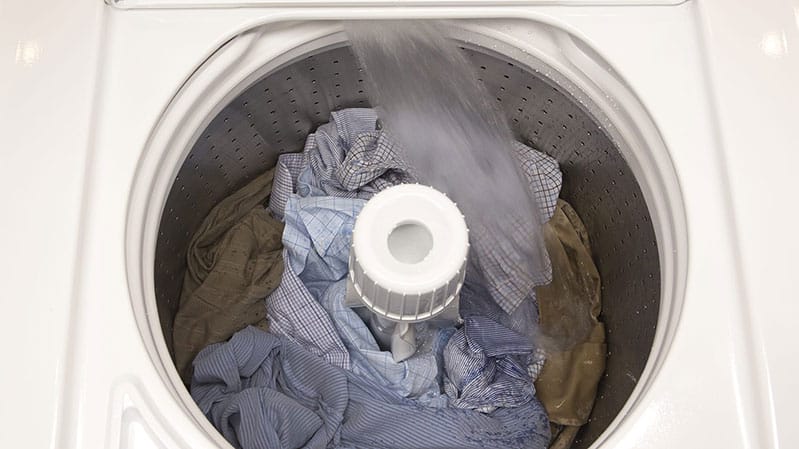
For an energetic 90-year-old still doing her own laundry, it’s the reason wet clothes sit at the bottom of the tub until someone else can lift them out.
The Problem With Front-Load Washers
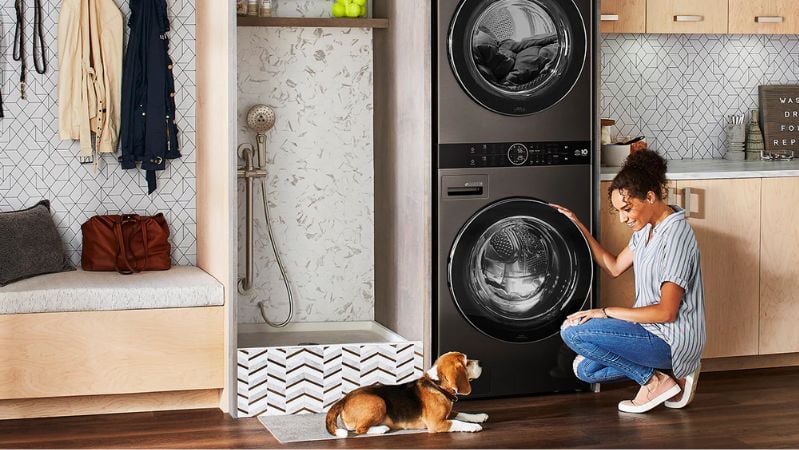
A front-load washer puts the door at floor level. You bend to load it, bend to unload it, and bend a third time to clean the gasket.
That is the same motion as a standard dishwasher, and the same problem.
I have a front-load washer, and pedestals are something I wish I’d bought. Moving wet clothes from the washer to the dryer at floor level gets old fast.
The Answer: Raise the Front-Loader Up
The smartest thing you can do in a laundry room is raise the front-load washer and dryer off the floor. There are two ways to do it.
Buy the manufacturer’s pedestals. Most front-load washer brands sell matching pedestals 13 to 16 inches tall.
LG’s storage pedestal runs about 13.6 inches. GE’s runs 16 inches.
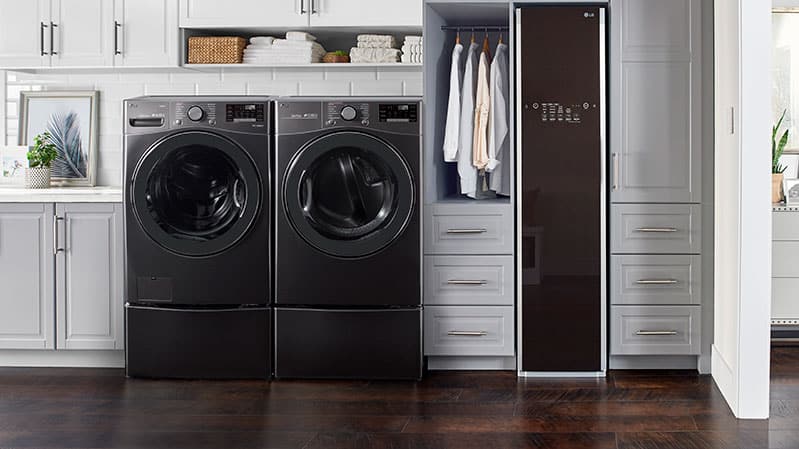
They lift the door to a no-bend height and typically include a storage drawer underneath. (Verify the current pedestal heights with the manufacturer before ordering, since specs change with model year.)
Have your contractor build a platform. A built-in platform can be sized to your height and finished to match the room.
The contractor needs to ensure the platform is rigid enough that the machines don’t vibrate.
A note on brand choice while you’re at it: LG front-load washers have the lowest first-year service rate of any laundry category we track, at 2.7%. If reliability matters as much as ergonomics, LG is the right starting point.
Either approach turns a front-load washer from one of the worst bending appliances in the house into one of the easiest to use.
🔍 Read more: The Best Front-Load Washers for 2026
Which Appliances Should You Choose for Your Situation?
Different readers need different combinations of these nine recommendations. Here’s a quick guide.
If You’re Planning Your Own Forever Kitchen
You’re 55 to 70, still ahead of any major mobility limits, and want a kitchen that works now and keeps working for 20 to 30 years.
-
Wall oven with a steam oven or speed oven above it. No bending now, no bending later.
-
Induction cooktop. The safety case applies regardless of current mobility.
-
Single dish drawer or elevated standard dishwasher. Bending matters less now than it will.
-
Undercounter refrigerator drawer in your high-use zone. Daily access without opening the main refrigerator.
-
Traditional Sub-Zero, Thermador, or Liebherr refrigerator. Avoid integrated.
If You’re Planning a Renovation for a Parent in Their 80s or 90s
Your parent is active, but the kitchen is starting to fail them. They still cook and still want to host.
-
Side-swing or French-door wall oven. Removes the lift-over-the-door problem at Thanksgiving.
-
Induction cooktop. Safety and ease of cleaning both matter.
-
Double dish drawer with a larger top drawer for everyday loads.
-
Traditional Sub-Zero, Thermador, or Liebherr refrigerator with the compressor on top. Top shelf within reach.
-
Front-load washer and dryer on manufacturer pedestals or a raised platform.
If You’re Helping a Parent Whose Kitchen Already Doesn’t Work
Your parent has had a hip or knee replacement, or has started leaving food in places they can’t reach. The kitchen is already failing them.
-
Skip the wall oven decision if there isn’t one already. A retrofit is expensive and disruptive. Focus on what can change without major construction.
-
Induction cooktop replacement. The safety case becomes urgent.
-
Pedestals or platform for front-load laundry. The single highest-impact change in a laundry room.
-
Reorganize the refrigerator if replacement isn’t in budget. Move daily-use items to eye-level and waist-height zones.
This is where a Yale showroom appointment matters most. The decisions are different when you’re working with an existing kitchen than when you’re starting from scratch.
What to Take Away From This Article
First and foremost, get good help. Service and installation matter more than the brand on the front of the appliance.
A great appliance with bad service and poor installation becomes a problem. A good appliance with great service and great installation becomes a 20-year asset.
Then consider appliances that don’t require bending. That’s the key principle running through everything here.
Wall ovens, undercounter refrigerator drawers, double-drawer dishwashers, and pedestals under front-load laundry are all smart decisions.
For cooking, consider induction. Even if you’ve solved the bending problem with other choices, the safety case for induction stands on its own, and the reliability data backs it up.
One Hour With Us Is Worth More Than 20 Hours Online
Aging-in-place appliance decisions are easier to make in person.
You can stand in front of the wall oven and open the side-swing door. You can see the elevated dishwasher in our Boston showroom. You can compare the integrated refrigerator’s top shelf to the traditional Sub-Zero’s. You can try the induction cooktop.
We’ll help you get your kitchen, and your parents’ kitchen, right. We have all of these appliances on display.
Book an appointment at one of our six showrooms: Boston, Framingham, Hanover, Norton, Hyannis, or Nantucket.

Additional Resources
Before you spend a dime, learn the facts from over 33,000 service calls, discover which brands are actually reliable, and see how to time your purchase for the best price. More than 1 million people have trusted the Yale Appliance Buying Guide - now it's your turn.
👉 Download your free Appliance Buying Guide today.
Related Articles:

Why Should You Trust Us?
It seems that every appliance review has nothing but glowing comments about almost every product, yet you read customer reviews and they are almost universally bad.
We are here to fill in the disconnect. We'll give you the best features, and the drawbacks as well, including reliability based on over 33,000 calls performed by our service team just last year. Our goal is to give you ALL the information so you know what's right for you.
Please consider subscribing or adding to the conversation in the comments below. We appreciate you stopping by.