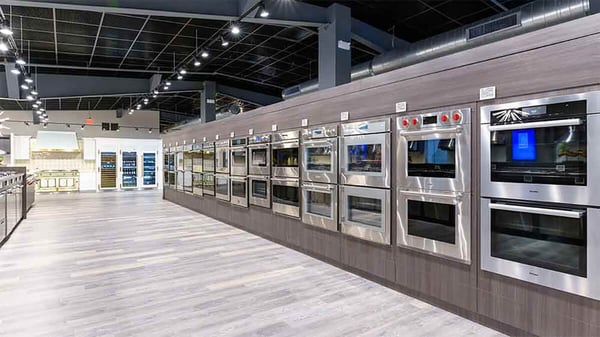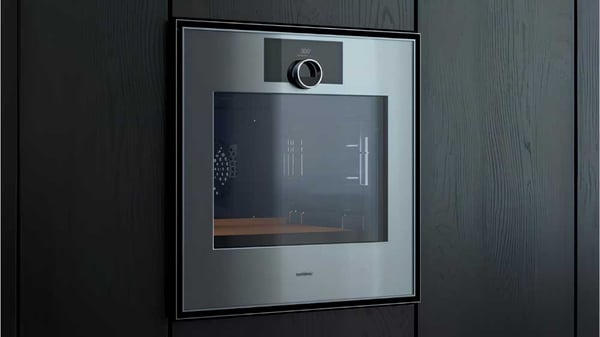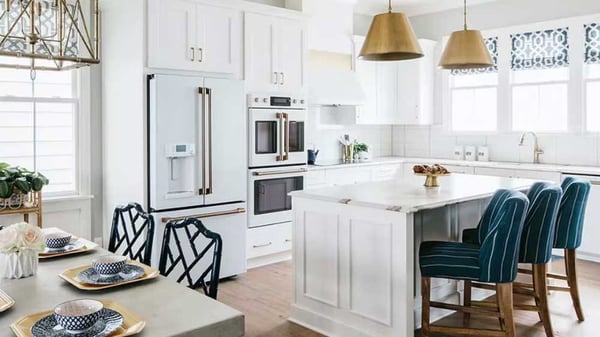


When a wall oven breaks, it's one of the hardest appliances in your kitchen to repair.
If it happens the day before Thanksgiving, it can ruin the entire holiday.
The oven has to be pulled out of the cabinet, and many repairs require two technicians just to remove it.
Last year, our service team completed 33,190 appliance repair calls across Massachusetts, Rhode Island, and New Hampshire.
This article breaks down which wall oven brands required the fewest repairs.
Our goal is simple: help you choose a wall oven that works when you need it and understand what happens if something goes wrong.
What You Will Learn
In this article you will learn:
-
Which wall oven brands require the fewest repairs
-
What reliability data actually means
-
Why appliance reliability information is hard to find
-
The most common wall oven problems
-
How long wall ovens typically last
-
When it makes sense to repair or replace an oven

The Most Reliable Wall Oven Brands for 2026
Here are the first-year service rates for the brands in this study. Each brand listed sold a minimum of 100 products, with a total sample size of over 1,000.
The average service rate for wall ovens in this group is 10.9 percent, meaning about one in ten required a repair during the first year.
That doesn't necessarily mean the product is defective. Many service calls involve sensors, control boards, or installation adjustments.
Reliability matters, but so does the ability to get your oven repaired. Here's a closer look at each brand, what they do well, and the trade-offs you should know before buying.
Café Wall Ovens: 8.8% Service Rate
Café Wall Oven Reliability Review
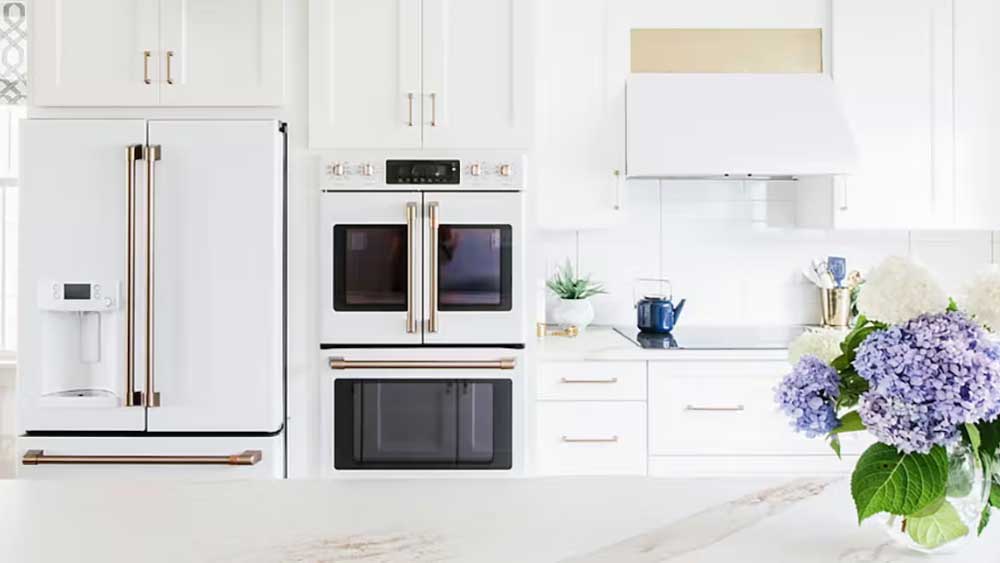
French Door Design
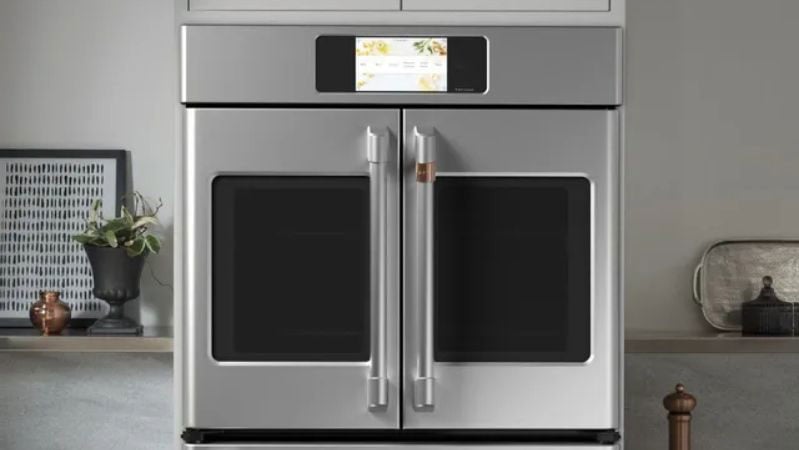
Most Café wall ovens we sell use a French door design. Both doors open from the center, so you can load food without reaching over a hot drop-down door.
That's especially helpful when lifting heavy cookware like roasting pans.
Smart Cooking Features
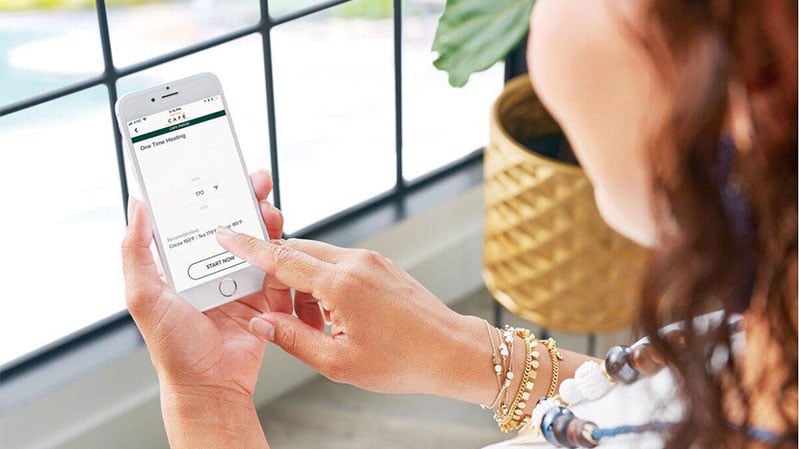
Café includes several practical smart features. You get a full-color display, WiFi through the SmartHQ app, and a built-in camera so you can check food without opening the oven and losing heat.
Kitchen Design Flexibility
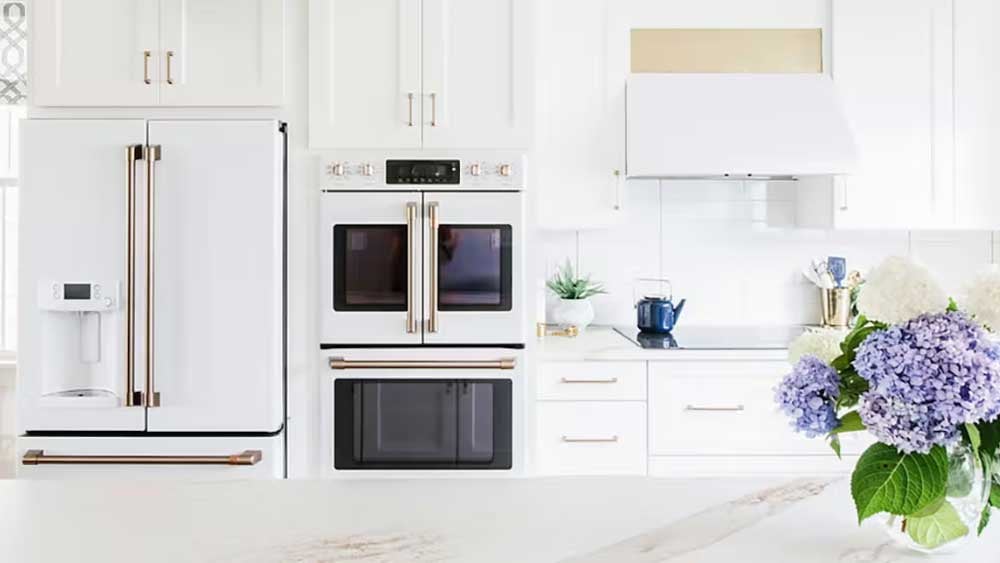
Café offers more finish choices than most wall oven brands. You can choose stainless steel, matte black, or matte white and change the hardware to match your kitchen style.
Service Support
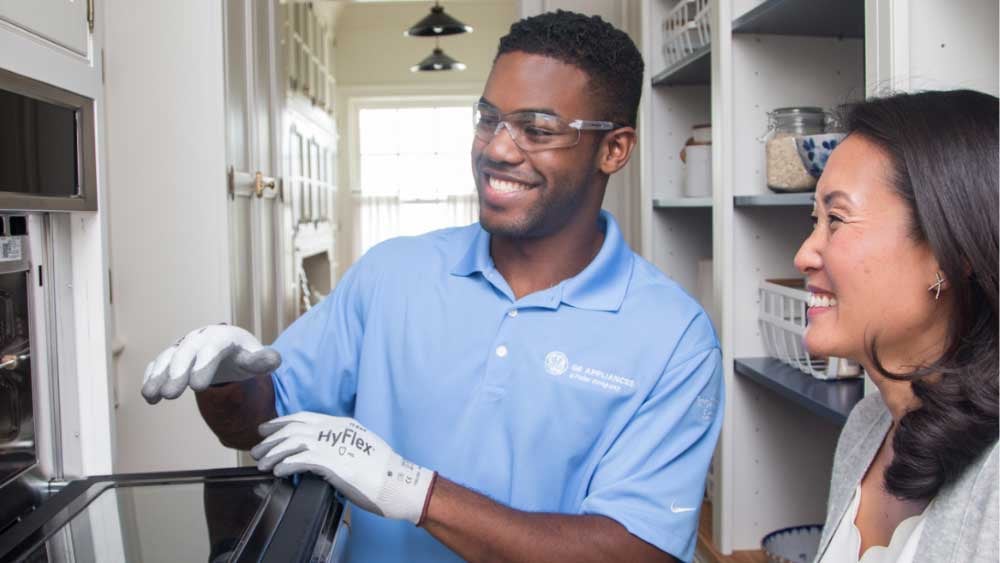
GE operates one of the larger service networks in the country through Bodewell. That can be helpful if you live in an area without many independent repair companies.
Why People Buy Café Wall Ovens
-
French door access for easier loading and unloading
-
Built-in camera to check food without opening the oven
-
SmartHQ app for remote control and cooking updates
-
Multiple finish and hardware combinations
Trade-Offs
-
More electronics than older ovens
-
Rack hardware is lighter than most luxury brands
Verdict
If you want a French door wall oven with modern features at a more reasonable price, Café is a good place to start.
Monogram Wall Ovens: 9.3% Service Rate
Monogram Wall Oven Reliability Review
Premium Positioning
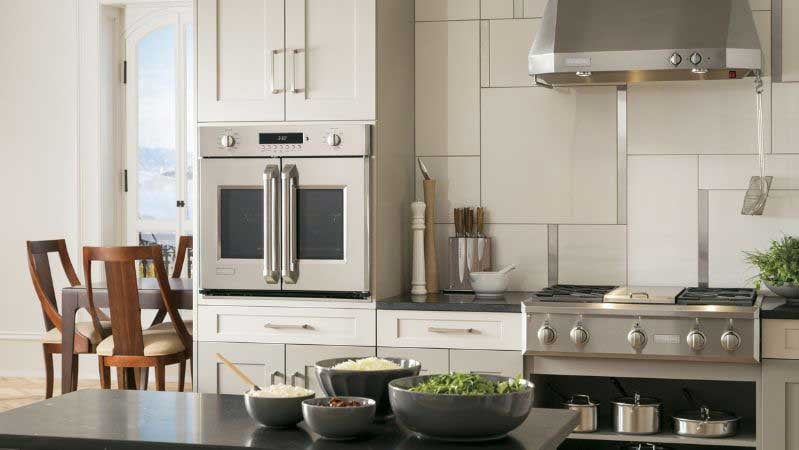
Monogram sits above Café in finish and build quality but costs less than brands like Wolf or Miele. It's often chosen for high-end kitchens that want a luxury look without the highest price tag.
Interface and Controls
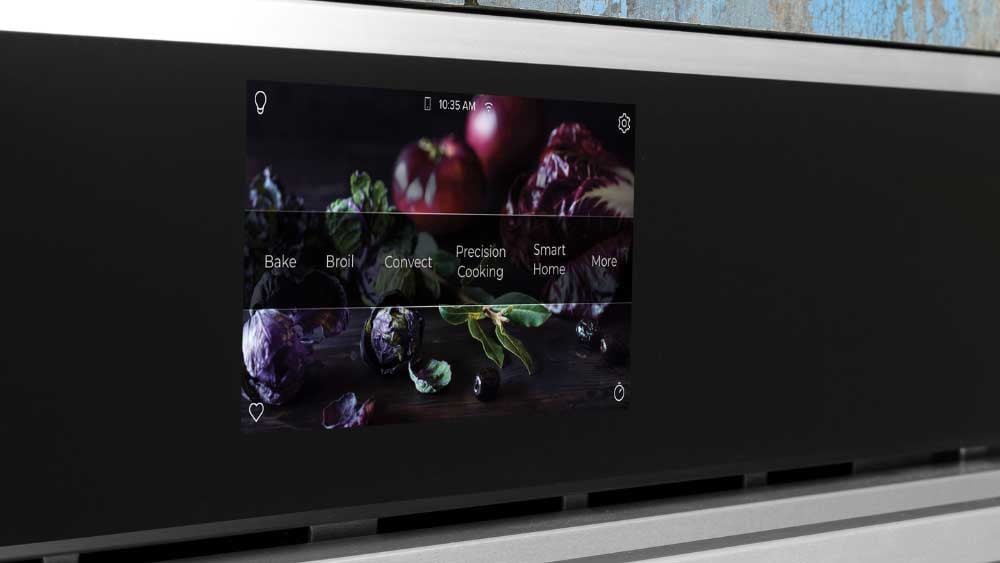
Monogram's controls are simple and easy to use. The interface is cleaner than many touchscreen-heavy appliances that can feel overly complicated.
Rack System
Monogram racks are better built than most mainstream brands. Many models include full-extension roller racks, making it easier to move heavy cookware in and out of the oven.
Convection Performance
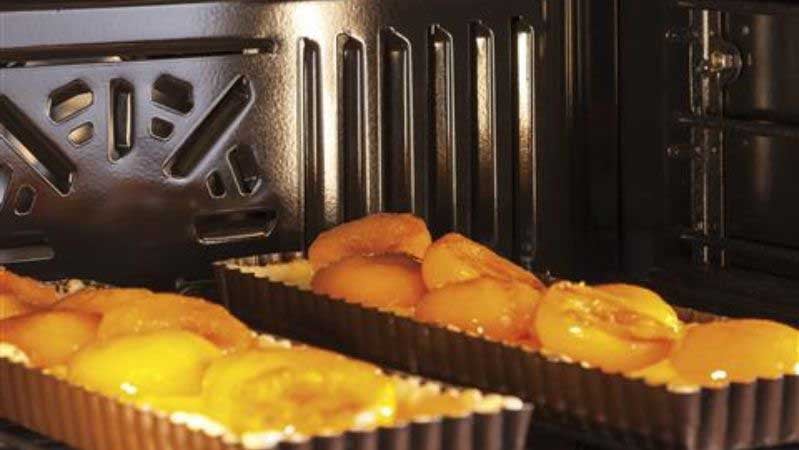
The convection system circulates heat evenly and works well for baking multiple trays at once.
Rebate Programs
Monogram often offers aggressive package rebates. When purchased with other Monogram appliances, the pricing can become very competitive compared with other luxury brands.
Why People Buy Monogram Wall Ovens
-
Premium design and finish
-
Smooth full-extension roller racks
-
Strong convection performance
-
Competitive package rebates
Trade-Offs
-
Higher price than brands like Café or Bosch
-
Fewer specialty cooking modes than brands like Miele
Verdict
Monogram is a strong choice if you want better build quality and premium design without paying ultra-luxury prices.
Miele Wall Ovens: 9.6% Service Rate
Miele Wall Oven Reliability Review
Guided Cooking
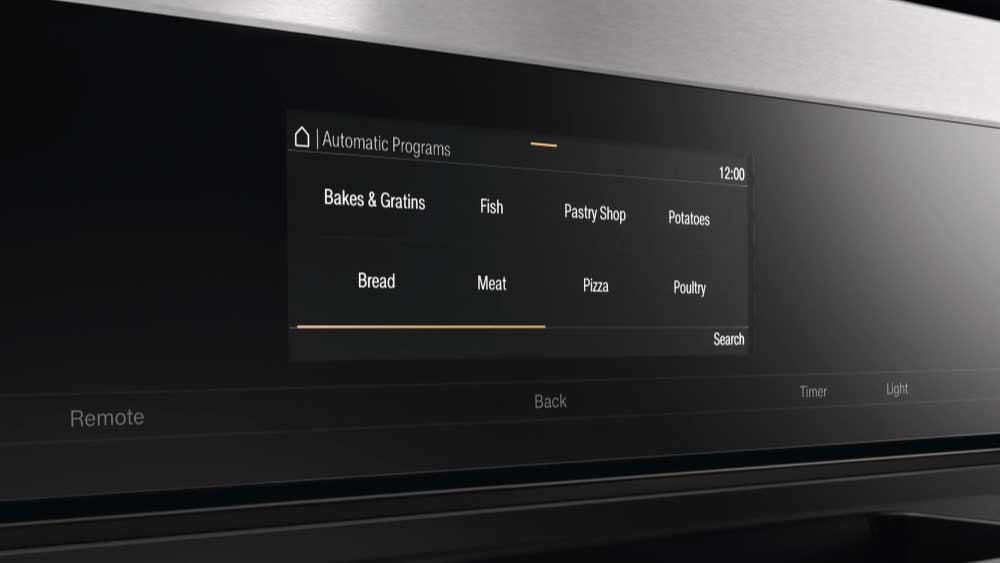
Miele's MasterChef system is one of the most advanced guided cooking programs available. You select the food type, and the oven automatically adjusts the cooking mode, temperature, and time.
Steam Assist
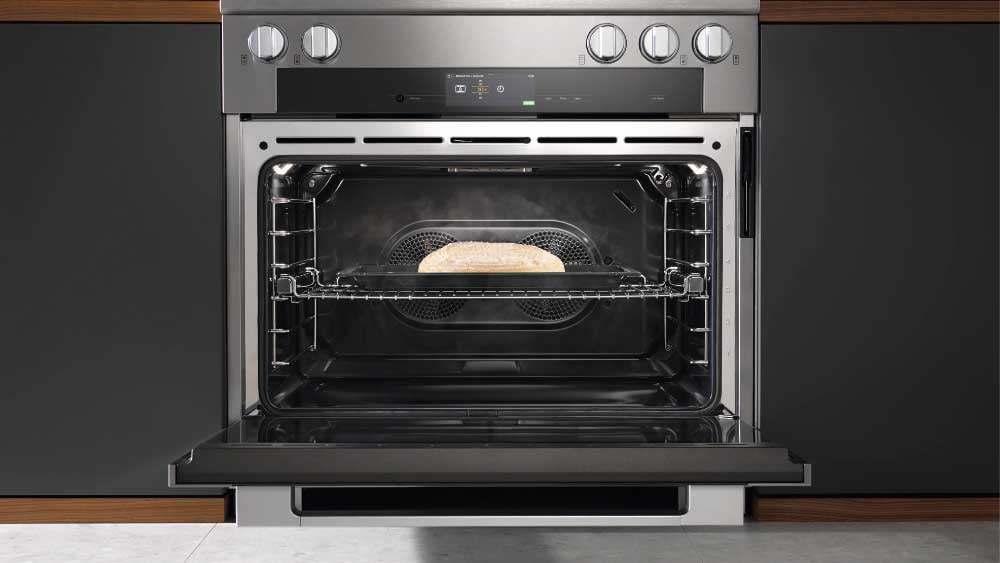
Many Miele ovens include Moisture Plus, which injects bursts of steam during cooking. Steam helps bread rise better and keeps meats from drying out.
Precision Temperature Control
Miele ovens are known for very accurate temperature control. The convection system circulates heat evenly, which helps when baking pastries or cooking multiple trays.
Build Quality
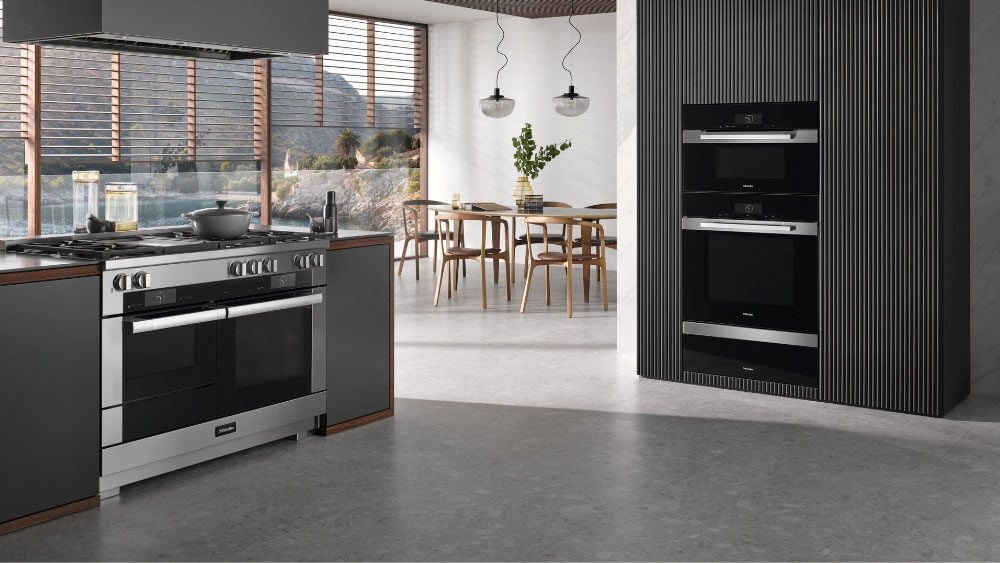
Most Miele appliances are built in Germany and designed with a strong focus on durability and precision.
Why People Buy Miele Wall Ovens
-
Advanced guided cooking programs
-
Steam assist for baking and roasting
-
Precise temperature control
-
Clean European design
Trade-Offs
-
Higher price than many other brands
-
Interface can take time to learn
-
Service availability varies by location
Verdict
If you cook frequently and want guided cooking, steam assist, and precise temperature control, Miele is one of the strongest premium options.
Bosch Wall Ovens: 9.7% Service Rate
Bosch Wall Oven Reliability Review
True Convection
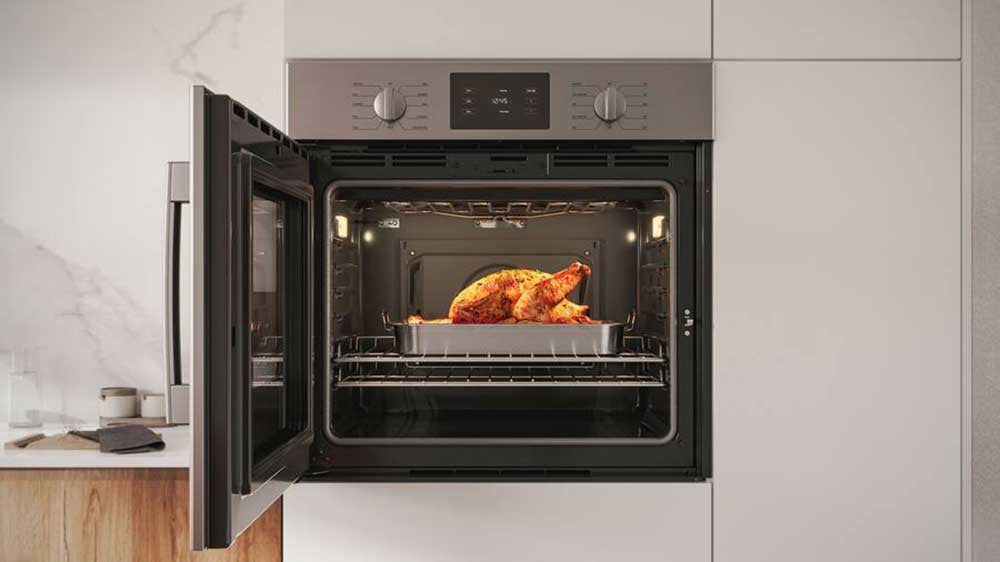
Bosch uses a true convection system with a heating element surrounding the fan. This design circulates heat evenly throughout the oven.
Simple Controls
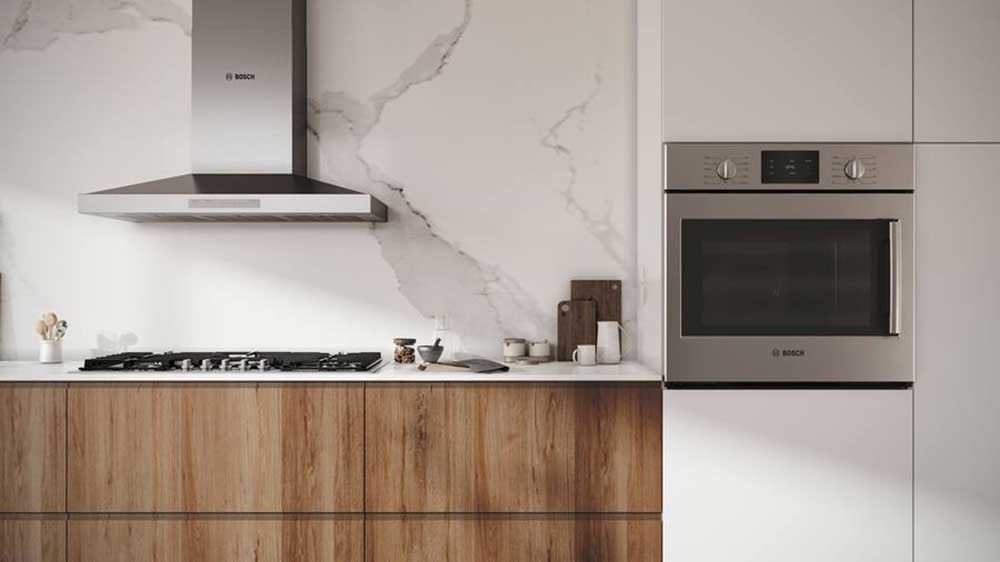
Bosch ovens are designed to be straightforward and easy to learn. The interface is simpler than many feature-heavy models.
Clean Design
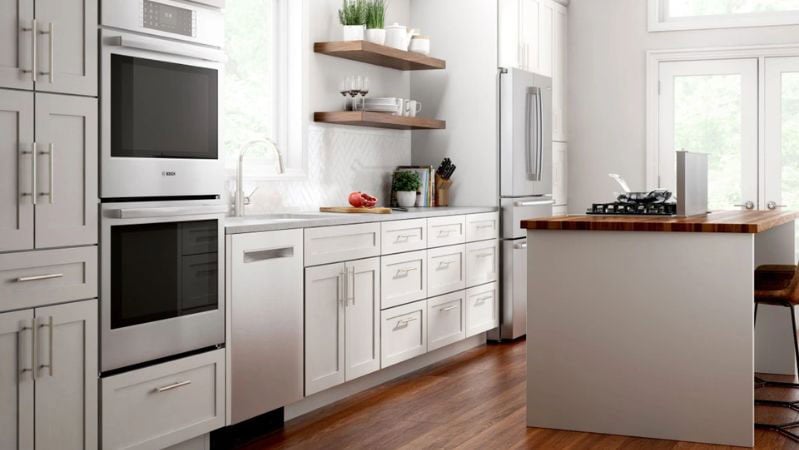
Bosch ovens have a minimal European design that fits well in modern kitchens.
Value Compared With Luxury Brands
Bosch typically costs less than brands like Miele or Monogram while still offering solid performance.
Why People Buy Bosch Wall Ovens
-
Consistent convection baking
-
Simple controls that are easy to learn
-
Clean European design
-
Lower price than many premium brands
Trade-Offs
-
Fewer advanced cooking modes than brands like Miele
-
Interior racks are lighter than luxury brands
-
Fewer customization options than Café
Verdict
Bosch is a good choice if you want reliable convection baking and simple controls without moving into luxury pricing.
LG Wall Ovens: 10.5% Service Rate
LG Wall Oven Reliability Review
Smart Technology
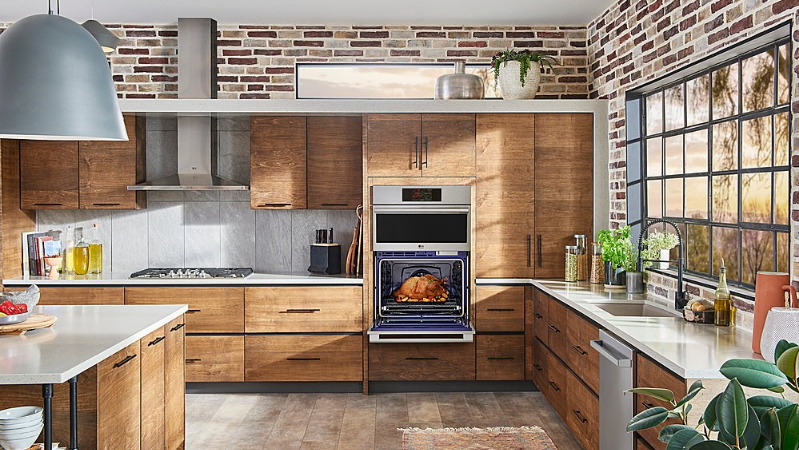
LG ovens include Wi-Fi connectivity through the ThinQ app, allowing you to monitor and control the oven remotely.
Large Oven Capacity
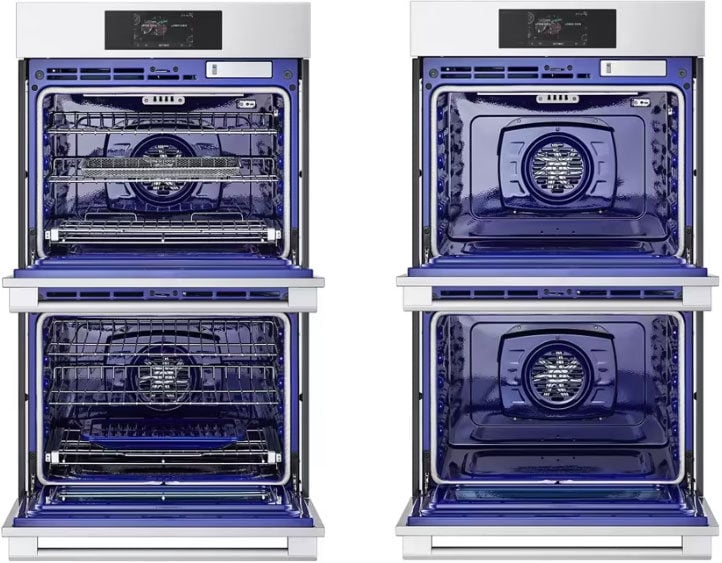
LG ovens typically offer larger interior capacity than many competitors. This can be helpful for larger families or holiday cooking.
Competitive Pricing
LG wall ovens often cost less than comparable models from brands like Monogram or Miele.
Why People Buy LG Wall Ovens
-
Advanced smart features through the ThinQ app
-
Larger oven capacity
-
Competitive pricing
Trade-Offs
-
Slightly higher service rate than several brands in this group
-
Heavy reliance on electronics
-
Service availability depends on regional technician coverage
Verdict
LG is a good option if you want smart features and larger capacity at a lower price than many premium brands.
What Are the Wall Oven Repair Trends in 2026?
Wall ovens are becoming more complex every year. Manufacturers are adding more electronics, sensors, cameras, and cooking modes to modern ovens.
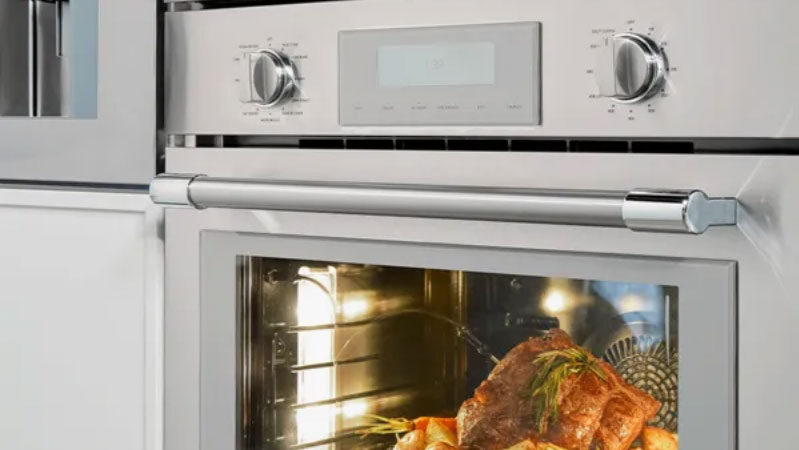
Those features make cooking easier, but they also add more parts that can fail.
Since COVID, many manufacturers began sourcing components from multiple suppliers as production expanded. Since then, repair rates across many appliance categories have increased, especially wall ovens, as you'll see in this data.
How Does Yale Calculate Wall Oven Reliability?
We measure reliability using first-year service rates. That means comparing the number of products serviced to the number of products sold during a twelve-month period. Each repair visit counts as one service call.
Service calls divided by products sold equals the service rate.
Our 35 service technicians handle thousands of repair visits every year, giving us one of the largest real-world appliance repair data sets in the country.

We focus on the first year because that is when we provide warranty service and can track repairs accurately.
After the first year, reliability data becomes much harder to measure. Builders move on from their projects, homeowners sell their homes, and service companies change.
Most appliance problems happen during the first year or near the end of the product's life, so first-year service rates are still a good indication of long-term reliability.
Why Is Appliance Reliability Data So Hard to Find?
You would think appliance reliability data would be easy to find. It isn't.
The main reason is simple: very few companies service the appliances they sell.
Local Appliance Stores
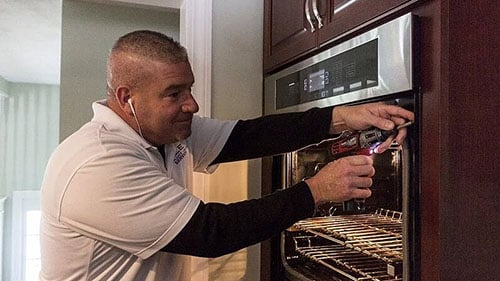
When I started in this industry in 1986, most appliance stores had service departments. That has changed.
Today, many stores no longer service what they sell. Several of our local competitors stopped offering service years ago.
Without a service department, stores simply don't have the repair data needed to measure reliability.
Big Box Stores
Big box retailers rarely handled service themselves.
Sears was the major exception because it operated a national repair fleet. However, Sears no longer operates in Massachusetts.
Most big box retailers now rely on third-party service companies or manufacturer networks. Because of that, they don't collect their own repair data.
Appliance Manufacturers
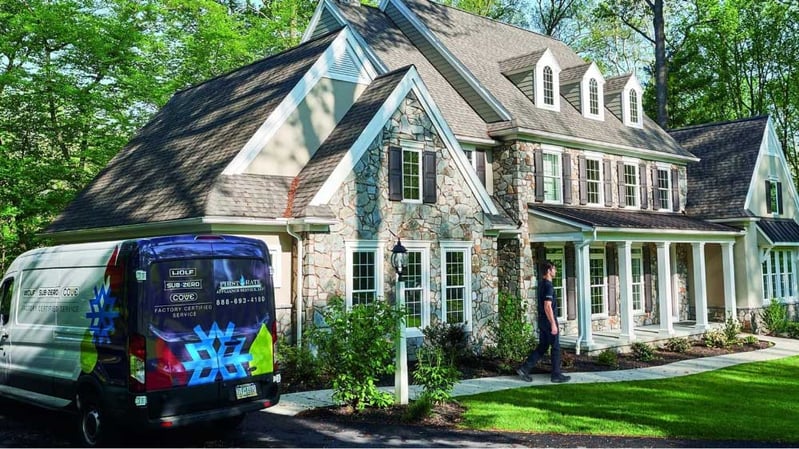
Manufacturers have also stepped away from direct service. Many brands now rely on outside contractors. Others provide limited service depending on the region.
In many cases, customers are told to call a national service number and wait for an available technician. In some areas, that wait can be significant.
Before we opened our store in Nantucket, it could take a month just to get a service technician, and more than two months if parts were needed.
If you were there for the summer, you might not have a working appliance again until the following year.
Situations like that still happen in parts of Cape Cod and throughout New England where service coverage is limited.
🔍 Read more: Appliance Service 2026: Why Most Stores Skip It & How to Protect Yourself
Why Does Yale Appliance Track Reliability?
We track reliability because we service what we sell.
Our service team has 35 technicians on the road every day repairing appliances across Massachusetts, Rhode Island, and New Hampshire.

Most of those repairs happen during the first year under warranty. In many cases, we perform those repairs at a loss. That makes reliability extremely important to us financially.
It's also why we're selective about the brands we carry. We currently sell 19 appliance brands, not 170 like many online retailers or 75 like the typical appliance store.
When you're responsible for servicing the products you sell, reliability matters a lot.
What Are the Most Common Wall Oven Problems?
Even the most reliable wall ovens eventually need service. Here are the most common issues our technicians see.
Control Board Failures
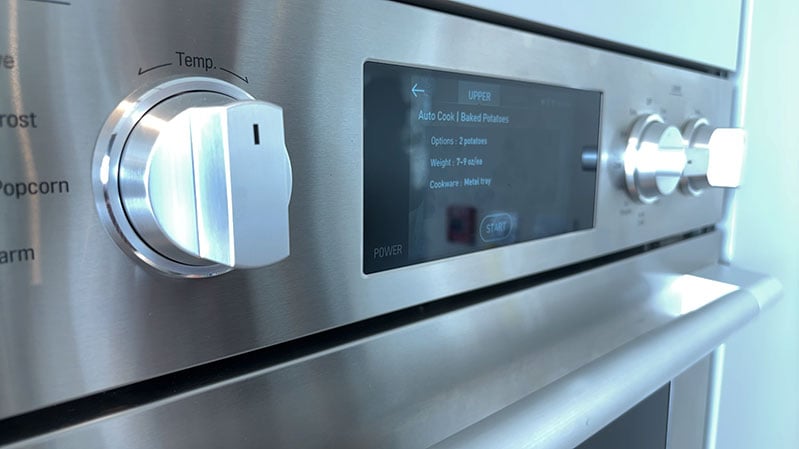
The control board manages the oven's temperature, cooking modes, and safety systems. Because modern ovens rely heavily on electronics, control boards are one of the most common repairs.
Temperature Sensor Problems
Sensors regulate oven temperature. If a sensor fails or drifts out of calibration, the oven may cook too hot or too cold.
Door Hinge and Latch Issues
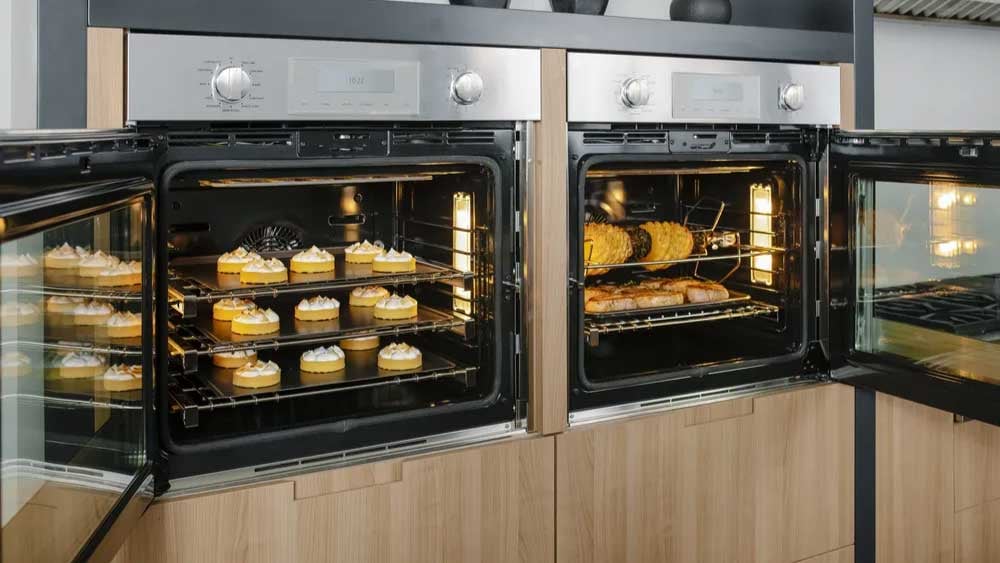
Wall oven doors are heavier than range doors. Over time, hinges and door latches can wear out from repeated opening and closing.
Installation Problems
Some service calls are caused by improper installation. Wall ovens require correct cabinet clearance and electrical connections to operate properly.
How Long Should a Wall Oven Last?
Most wall ovens last 10 to 15 years. However, lifespan can vary depending on how the oven is used.
Heavy Self-Clean Usage
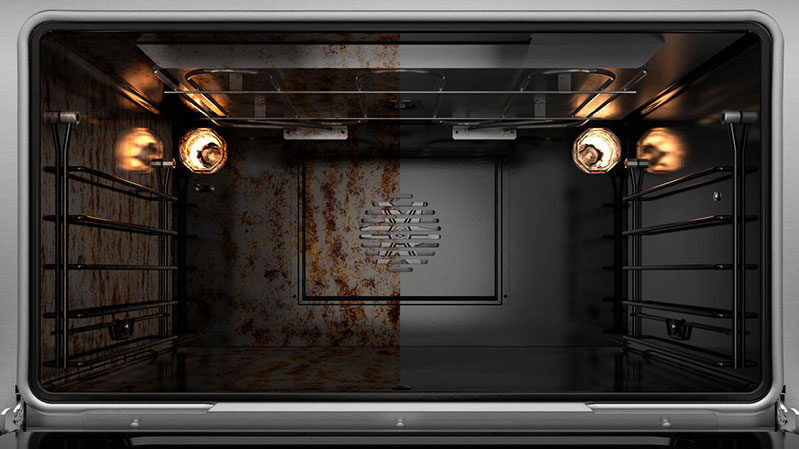
Self-clean cycles expose the oven to extremely high temperatures. Frequent use can put stress on electronics, door locks, and control boards.
High Heat Cooking
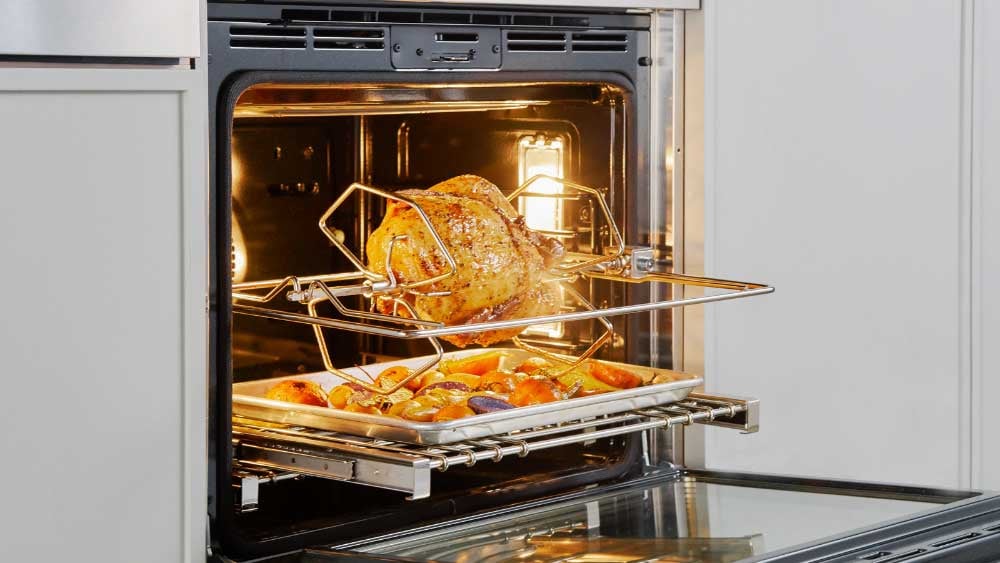
Cooking at very high temperatures regularly can accelerate wear on heating elements and sensors.
Daily Use
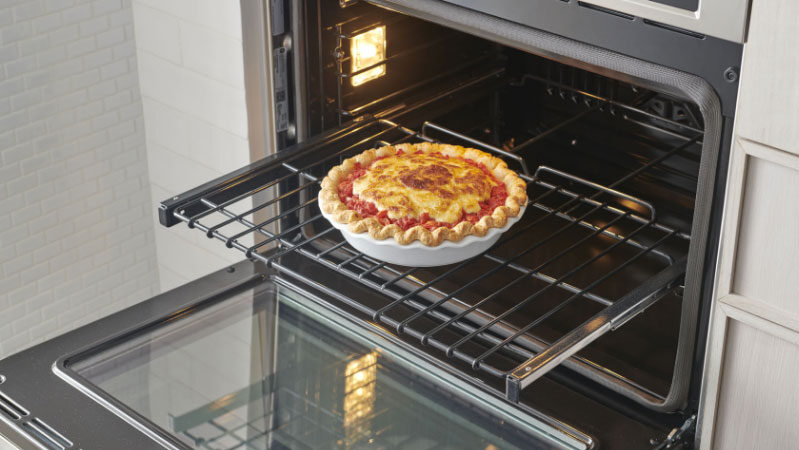
An oven used every day will typically wear out faster than one used occasionally.
When Should You Repair vs. Replace a Wall Oven?
Wall ovens can be expensive to repair or replace because the appliance often must be removed from the cabinet.

Repairs or new installations may require two technicians just to pull the oven out safely.
Repair your wall oven if
-
The oven is less than eight years old
-
The repair cost is relatively small
-
The oven has otherwise been reliable
Consider replacing your wall oven if
-
The oven is more than twelve years old
-
The repair involves the control board or major electronics
-
Multiple parts are starting to fail
In some cases, replacing an older oven makes more sense than investing in an expensive repair.
However, you also have to consider the installation cost of a new oven, which can range from $400 to $700 depending on the installation.
🔍Read more: How Much Does an Appliance Installation Cost?
Final Takeaways
If reliability is your priority, these brands had the lowest service rates in our data:
-
Café
-
Monogram
-
Miele
-
Bosch
-
LG
The average wall oven service rate in our data was 10.9 percent during the first year. That means about 1 in 10 wall ovens required service in the first year.
Most service calls involve electronics, sensors, or installation adjustments, not complete product failure.
Because we service the appliances we sell, our reliability numbers come from real repair visits, not surveys or lab testing.
Reliability is important, but so is having access to service when something goes wrong.
If you are shopping for a wall oven and live in Massachusetts, Rhode Island, or New Hampshire, you can see these models in one of our showrooms.
Our team handles delivery, installation, and service, so you are not calling an 800 number if something goes wrong.
You can visit us in Boston, Framingham, Hanover, Hyannis, Nantucket, or Norton, or explore wall ovens online.
If you are still comparing brands, download our free Appliance Buying Guide used by over one million homeowners.
Here are the questions we hear most from homeowners shopping for wall ovens, along with answers based on our service data and experience.
Additional Resources
Confused about Wall Ovens? Get the Yale Wall Oven's Buying Guide with updated features, specs, and detailed profiles of the best brands like Miele, Wolf, Viking, Bosch, Thermador, and more. Over 1 million people have read a Yale Guide.
Related Articles
Most Reliable Appliances Series:
- Most Reliable Appliance Brands
- Most Reliable Counter-Depth French Door Refrigerators
- Most Reliable Dishwashers
- Most Reliable Front Load Washers
- Most Reliable Top Load Washers
- Most Reliable Compact Washers
- Most Reliable Gas Cooktops
- Most Reliable Induction Cooktops
- Most Reliable Electric Ranges
- Most Reliable Induction Ranges
- Most Reliable Freestanding Gas Ranges
- Most Reliable Professional Gas Ranges

Why Should You Trust Us?
It seems that every appliance review has nothing but glowing comments about almost every product, yet you read customer reviews and they are almost universally bad.
We are here to fill in the disconnect. We'll give you the best features, and the drawbacks as well, including reliability based on over 33,000 calls performed by our service team just last year. Our goal is to give you ALL the information so you know what's right for you.
Please consider subscribing or adding to the conversation in the comments below. We appreciate you stopping by.