

The Short Version
A lot of the old appliances really were more reliable, and almost everything we sell today is better in measurable ways. The change you actually feel is not the products. It is the collapse of the factory service networks that used to fix them when they broke. Today, who services your appliance matters more than which brand it is.
People say it all the time. "Well, they don't make appliances like they used to."
I have been around since the "used to" part. I started full-time at Yale Appliance in 1986.
From that desk, I have watched almost every category get measurably better, and I have watched buyers like you get more frustrated than ever.
Both of those things are true at the same time. Here is what actually changed, and how to buy the right brand for your kitchen now.
📌 Skip Ahead
What Got Better About Washers?
⚡ Quick Answer: The best old washer I ever sold was the belt-driven Maytag built in Newton, Iowa. Modern front-load washers hold nearly double the capacity, use about half the water, and run quieter. The tradeoff is more electronics, which means more parts that need a technician.
The best machine I ever sold was the old Maytag. It was designed, engineered, and built in Newton, Iowa. It was belt-driven and front-serviceable, and the one weak spot was the belt. Anyone could change it.

My mom had one growing up. It was still running eighteen years later when we moved out of that house.
Here is the catch. Once you pulled out the agitator, that machine only held about two and a half cubic feet of laundry. It also used a lot of water and energy.
A modern front-load washer holds nearly double the capacity and uses about half the water.
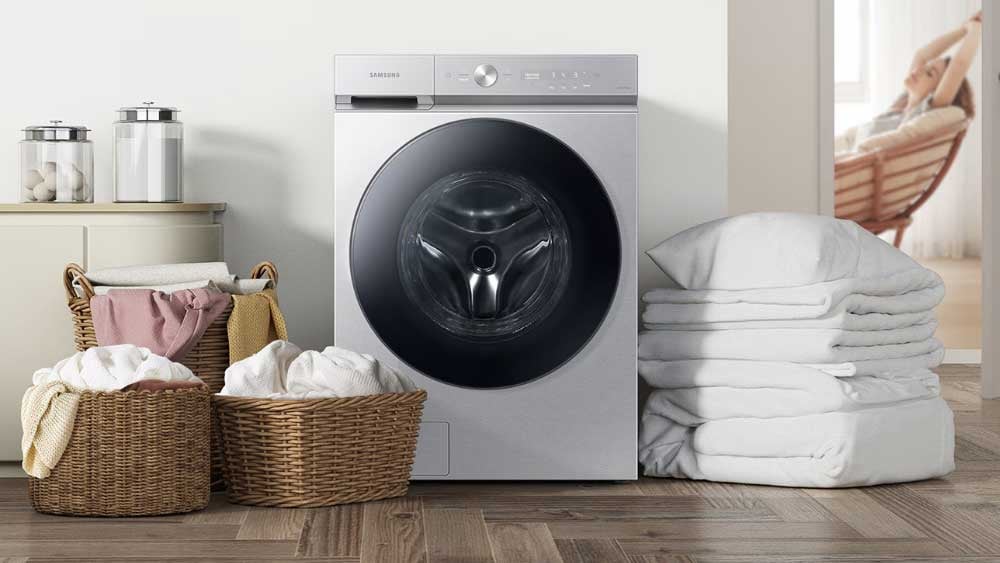
So on the spec sheet, that trade went your way. There is another tradeoff hiding in every modern appliance, and I will get to it. For now, hold that thought.
🔍 Read more: The Best Front Load Washers
How Did Refrigerators Change?
⚡ Quick Answer: When I started, the biggest refrigerator you could buy was a top-mount around 23 cubic feet. Today, French door refrigerators routinely go up to 30 cubic feet and use a fraction of the energy. The catch is that ice and water dispensers, climate-controlled drawers, and inverter compressors all add parts that can fail.
Refrigerators changed completely.
When I grew up, the biggest refrigerator you could buy was a top-mount Amana at about 23 cubic feet.
My grandmother had a Whirlpool with French doors back in the seventies. The whole family thought it was the most modern thing on the planet.
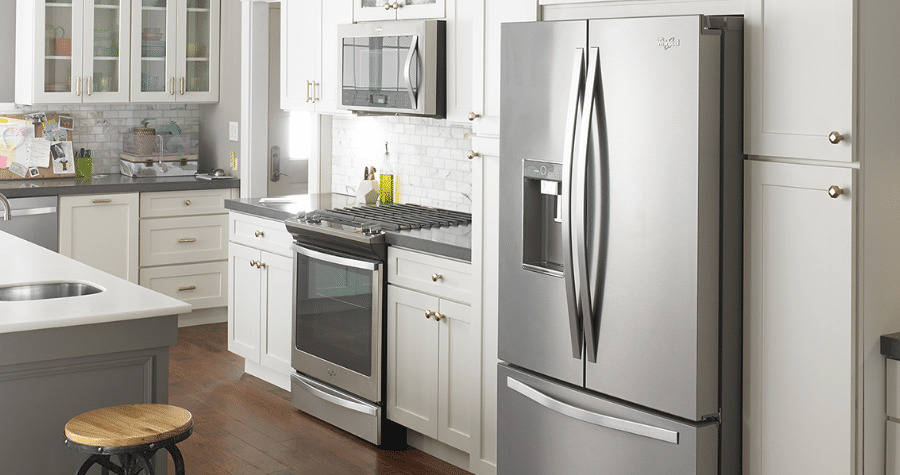
Today, you can routinely buy a French door refrigerator up to about 30 cubic feet.
It is a bigger box, and thanks to modern energy laws it uses a fraction of the power the units in the seventies and eighties did.
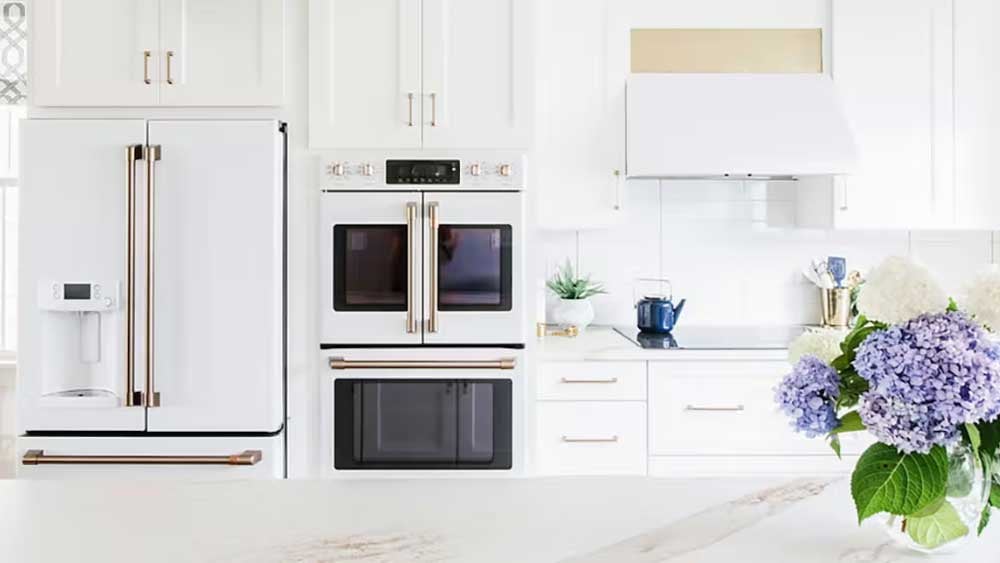
Here is the catch. The old top-mount had almost nothing to break. There was a fresh-food section, a freezer, and a few glass shelves.
The modern French door refrigerator has an ice and water system, climate-controlled drawers, and an inverter compressor.
Those are the parts that need a technician.
A pattern is showing up here. I am almost ready to name it.
🔍 Read more: The Most Reliable Counter-Depth Refrigerators
Are Modern Dishwashers Actually Better?
⚡ Quick Answer: Yes, and this is the section where the pattern flips. Old KitchenAid dishwashers were built by Hobart, a commercial manufacturer, and they lasted seemingly forever. They were also loud and water-hungry. Modern Bosch and Miele dishwashers use less water, run silently, and hold up reliably in our service data.
Dishwashers got better too. This section is a little different from the others, and I will explain why.
Our family's old KitchenAid dishwasher was built by Hobart, a commercial manufacturer. It lasted seemingly forever. That is what my dad bought, KitchenAid and Maytag, the best he could find at the time, and they lasted.
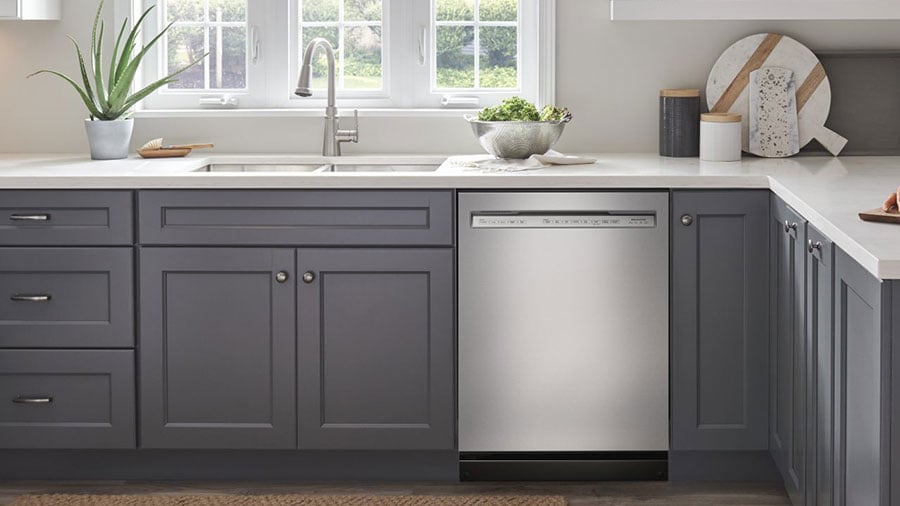
That machine was loud, though, and it was not water-efficient. Then in the nineties, kitchens started opening up into living rooms. All of a sudden, quiet was a feature.
The new dishwashers we sell now, mostly Bosch and Miele, use far less water. You cannot hear them, even in an open kitchen.
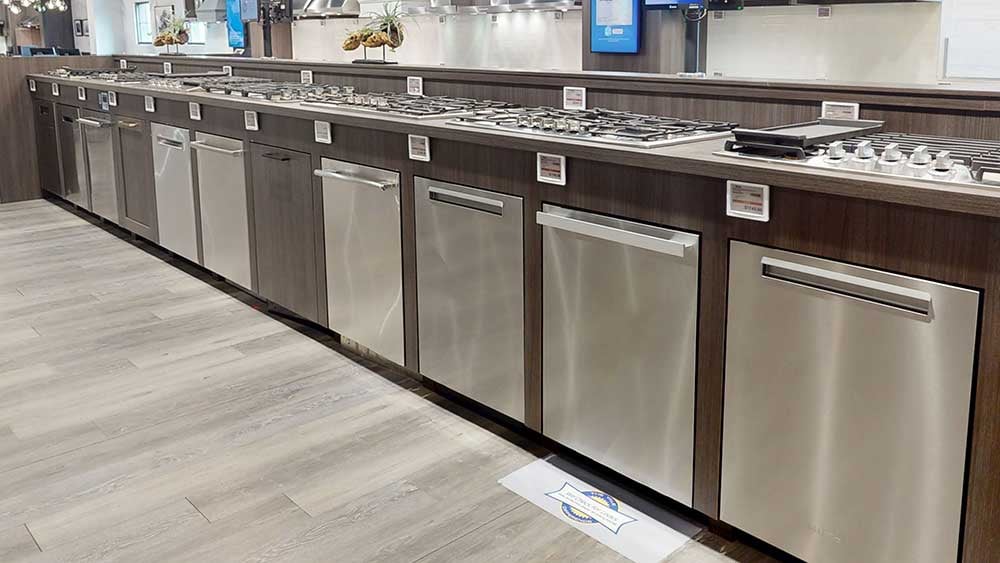
They also hold up reliably in our service data.
On dishwashers specifically, you are going to like what you buy from us now a lot better than what we sold in the seventies and eighties.
So notice this. The product was never really the problem. I am ready to tell you what it actually is.
How Have Ranges Changed Since the 1980s?
⚡ Quick Answer: When I started, a nice range was white and topped out around 30 inches and 8,000 BTUs. Today you can buy 36, 48, and 60-inch professional ranges in any color, with burners that routinely run around 25,000 BTUs. Induction takes it further still.
When I started, a nice range meant it came in a white finish. The big move that year was a white finish with no black accents.
Back then you bought a 30-inch range. If you wanted bigger, a 36-inch range with a heater inside was available, and there was an awful-looking 40-inch model that I am happy nobody asks about anymore.
Today you can buy 36, 48, and even 60-inch ranges. They come in different colors and different configurations. There is far more to choose from than there ever was.
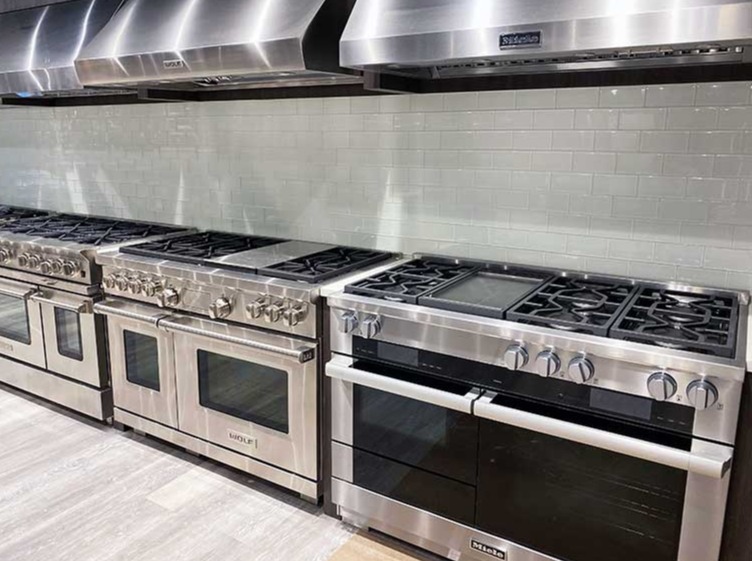
Viking showed up around 1990 with the first true residential professional range, and cooking changed overnight. Ranges got better to cook on, and they got better to look at.
The heat output is not close either.
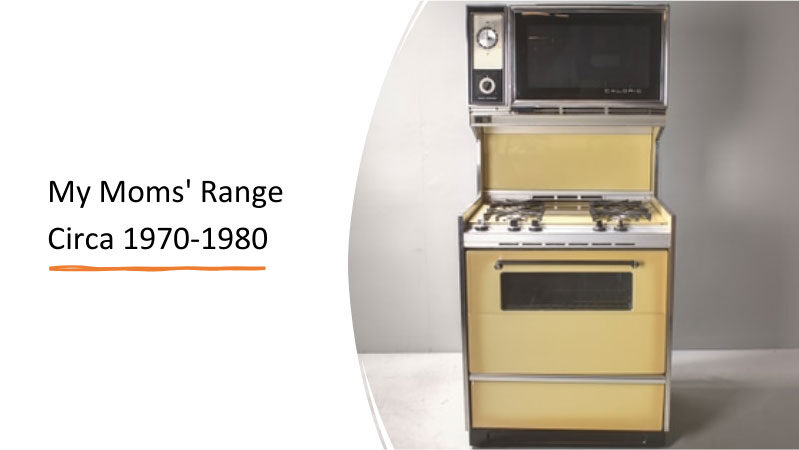
My mom's old Caloric topped out around 8,000 BTUs.
Pro gas burners now run routinely around 25,000 BTUs. A Wolf burner goes up to about 35,000. Plenty of others, including BlueStar, Monogram, and SKS, land in the 23,000 to 25,000 range.
We went from the Dark Ages to the Renaissance on cooking.
Then there is induction. Electric is reliable, but it is a slow burner. Induction heats the pan directly, so the response is immediate. There is no waiting like in the old days.
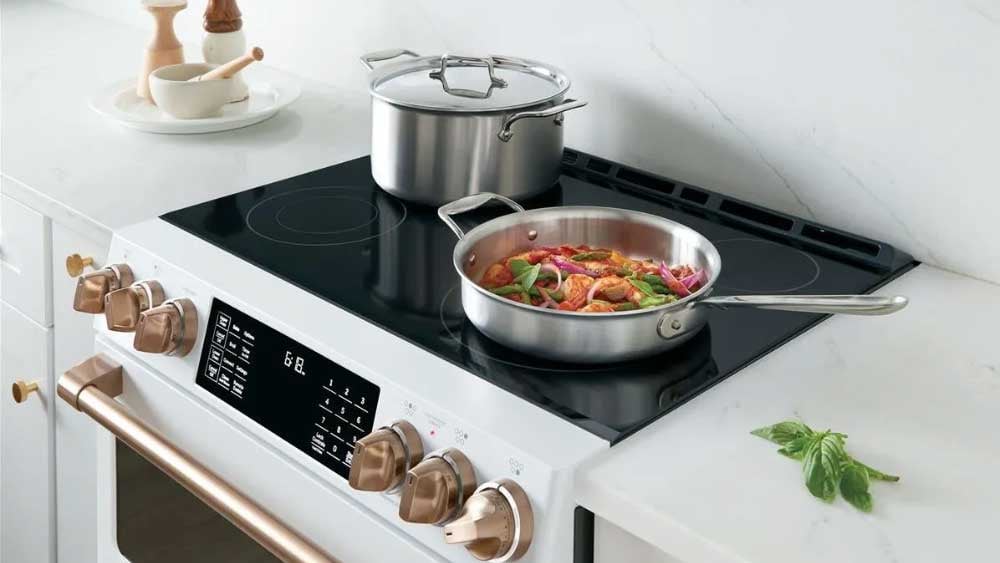
Cooking is by far better than it was. What you can buy at Yale Appliance now is light-years ahead of what my dad and grandfather sold sixty years ago.
🔍 Read more: The Best 36-Inch Professional Ranges

So Why Is Everyone Still Frustrated?
⚡ Quick Answer: Because the biggest change in buying appliances is one you never saw. Around 1990, the factory service operations behind Whirlpool, GE, Maytag, and KitchenAid started to dissolve. Manufacturers fed the features that sold the box and starved the support that fixed it. The buyer pays the bill.
We have more sizes, more features, and more colors than ever before. So why are people more frustrated than ever?
Because the biggest change in buying appliances is one you never saw. Here is the real story.
Whirlpool, GE, Maytag, and KitchenAid all had huge service operations behind them. Around 1990, those operations started to dissolve. All this innovation came at the cost of service and support.

And here is why. These companies decided that bigger BTUs, bigger refrigerators, and quieter dishwashers were the reasons you bought an appliance. So they made more of that.
And they cut the service and support that nobody thought they would need.
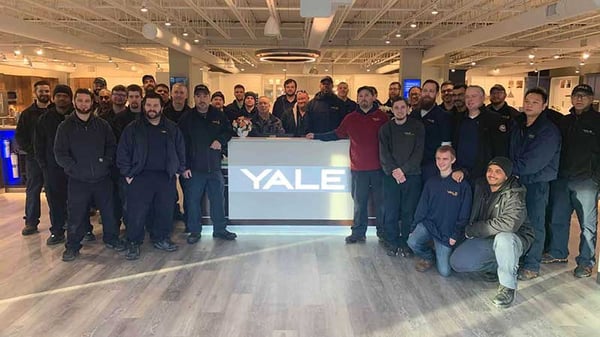
It got so bad that in 1990, we built our own service department from scratch. Today it is the biggest part of Yale Appliance.
We handled 33,190 service calls in 2025 across Massachusetts, southern New Hampshire, and Rhode Island, and we can only take our own customers.
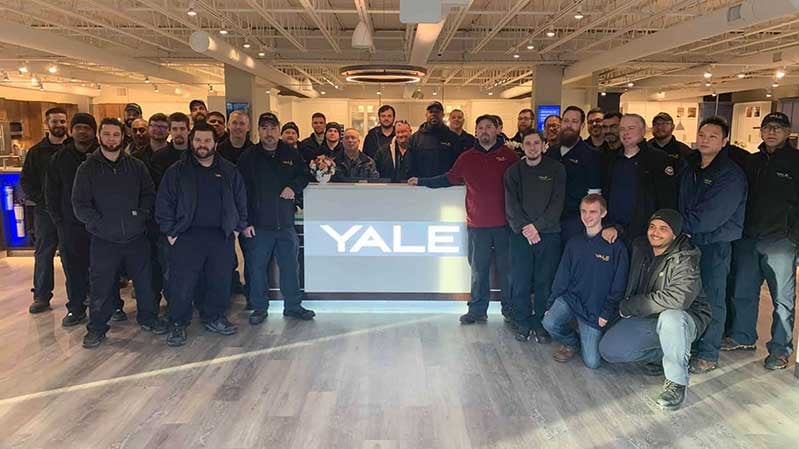
That is how far the factory support has fallen.
Service does not drive the top line. New, interesting product does. So support is the line item that loses resources. It is the can that gets kicked down the road, and you are the one who pays the bill when it lands.
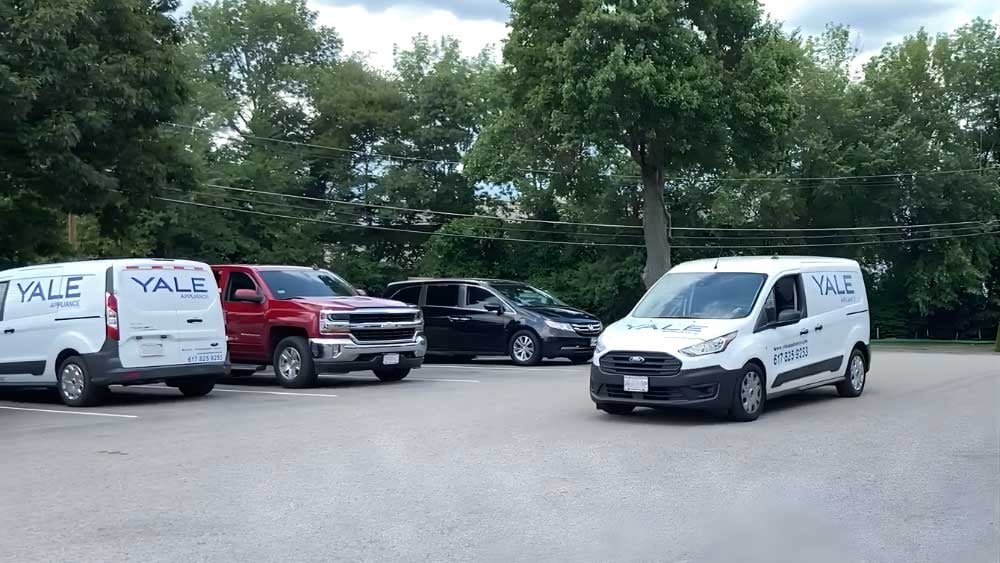
That is what almost every online complaint is really about. The product is not the problem. Problems were always there. They used to get fixed, and now, in most of the country, they do not.
Across the industry, you get better features, better technology, bigger sizes, and better colors. And you get measurably worse service. That is true of almost any brand on the floor.
🔍 Read more: Appliance Service 2026: Why Most Stores Skip It & How to Protect Yourself
What Should You Do About It?
⚡ Quick Answer: Search the service in your area before you pick a brand. Find out who actually shows up when something breaks. Then buy a brand that service company stands behind. The brand matters less than the technician.
The job is on you now.
Fifty years ago, your grandparents made one call to the factory and a technician came right out. That does not happen anymore.
If you want to buy appliances and be reasonably happy, search the service network in your area first.
Find out who actually shows up when something breaks. Find out how long they take to schedule a visit. Find out which brands they are authorized to repair.
Then you buy the brand that service company will stand behind.
A few companies still do it right, and a few brands are still worth buying.
If you want to see which is which, our most reliable appliance brands list, ranked by service percentage, is the next thing to read.
🔍 Read more: The Most Reliable Appliance Brands

Additional Resources
Before you buy, get the facts. Download the Appliance Buying Guide trusted by 1,000,000+ homeowners. Real reliability data from actual service calls.
Related Articles:

Why Should You Trust Us?
It seems that every appliance review has nothing but glowing comments about almost every product, yet you read customer reviews and they are almost universally bad.
We are here to fill in the disconnect. We'll give you the best features, and the drawbacks as well, including reliability based on over 33,000 calls performed by our service team just last year. Our goal is to give you ALL the information so you know what's right for you.
Please consider subscribing or adding to the conversation in the comments below. We appreciate you stopping by.