

If you are shopping for a gas range, you are probably asking one simple question: Which one will not break?
That is the right place to start, but it is not the full answer.
You have the right instinct to look at reviews and pick a brand that seems reliable. Unfortunately, that can still leave you waiting weeks for service because there is no local support.
This list is different.
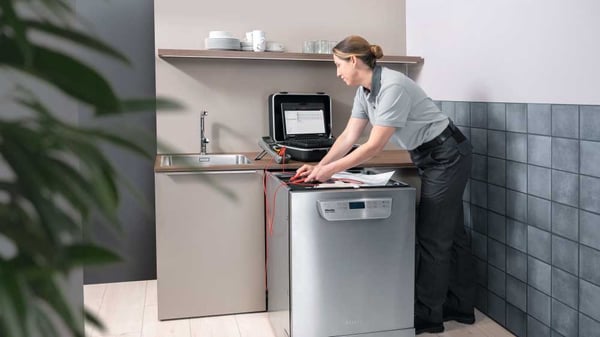
We only include brands we sell and service. That means we have real data on what breaks and the ability to fix it when it does.
The numbers you are about to see are based on 33,190 service calls across all appliances logged by our technicians just last year.
These are the gas ranges that hold up best, and just as important, the ones you can actually get serviced quickly in Massachusetts, Rhode Island, and southern New Hampshire when something does go wrong.
📌 Skip Ahead:
How Do We Measure Gas Range Reliability?
We calculate a first-year service rate: the number of units requiring service divided by the number of units sold, all within the first 12 months of ownership.
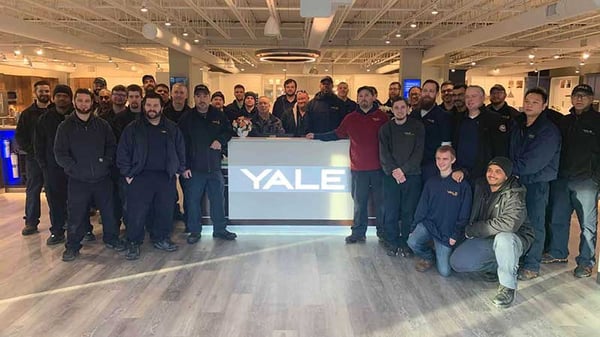
We track this across 33,000+ service calls logged by our 35 in-house technicians at Yale Appliance every year. For gas ranges specifically, the combined sample is over 960 units.

This is not a consumer survey. It is not manufacturer-reported data. It is what actually breaks in real homes across MA, southern NH, and RI.
We only include brands we sell and service with enough real data to back up the numbers.
That means a minimum of 100 units sold per brand. Small samples create misleading percentages. We would rather leave a brand out than publish a number we cannot stand behind.
Part of measuring reliability accurately is knowing what to leave out.
Some brands did not meet that threshold. Bosch, for example, fell below it in 2025, so they are not included.
We also did not include professional ranges like Wolf, Thermador, BlueStar, SKS, and Monogram. Those are a different category with higher output, different installation, and different service patterns.
This list is focused on standard gas ranges most people buy for everyday use.
The Most Reliable Gas Range Brands for 2026
Below are the first-year service rates for every gas range brand that met our 100-unit minimum sales threshold in 2025.
Brand-by-Brand Reliability Analysis
GE Gas Range: 4.8% Service Rate
Reliability Verdict: The most reliable gas range we sell.
What Breaks:
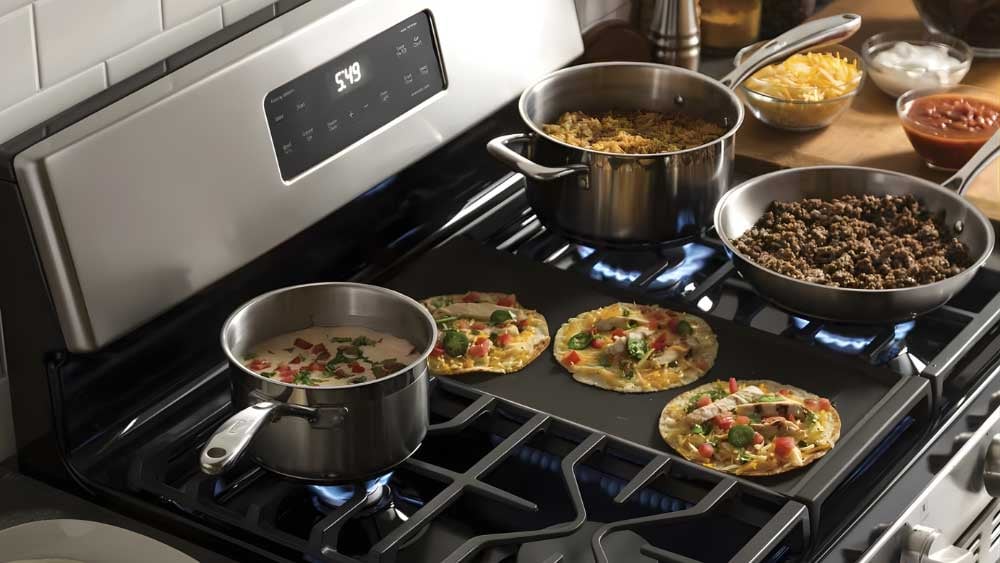
Igniters are the most common issue. They wear out over time or get fouled by food and cleaning residue. Usually a quick fix.
Oven sensors occasionally drift in temperature but are a straightforward replacement.
What Holds Up:
Burners, gas valves, and the oven cavity. The design is simple, with fewer electronics and fewer failure points.
Service Reality:

GE has one of the largest and most established service networks in the country.
Parts are widely available, and in Massachusetts, Rhode Island, and southern New Hampshire, repairs are usually faster than most brands.
If something breaks, you can get it fixed without waiting weeks.
Worth Considering If:
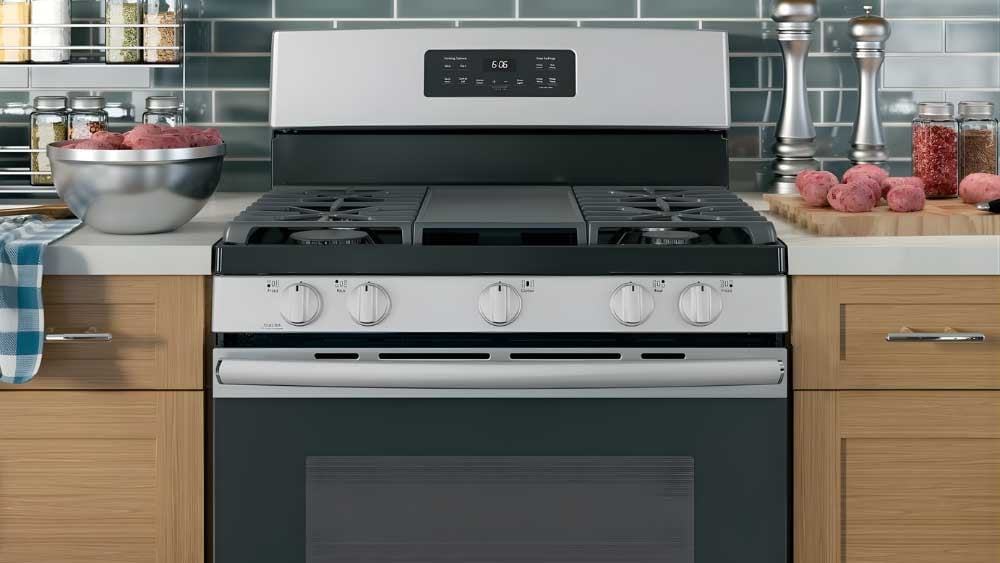
You want the safest choice. Lowest service rate. Lowest price. The GE JGB735SPSS starts around $1,199 for a 30-inch freestanding range. If your priority is reliability and fast service, start here.
LG & LG Studio Gas Ranges: 5.5% Service Rate
Reliability Verdict: Same reliability as LG, with upgraded design and materials.
What Breaks:
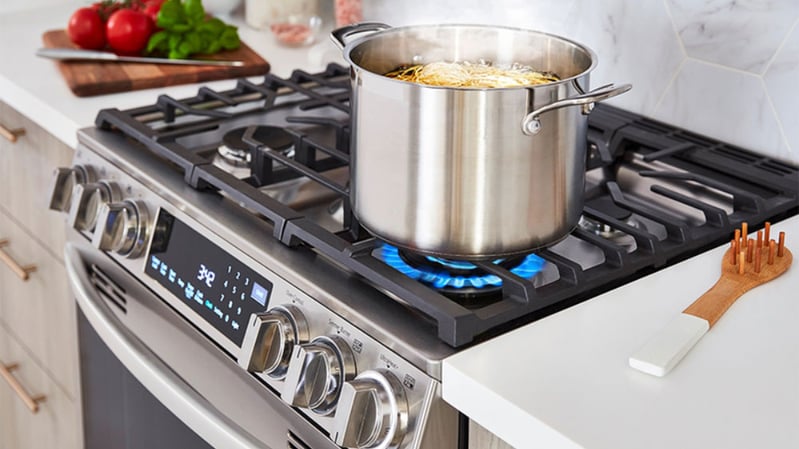
Control board is the most common issue, similar to standard LG. Gas valve issues are less common but show up occasionally in service calls.
What Holds Up
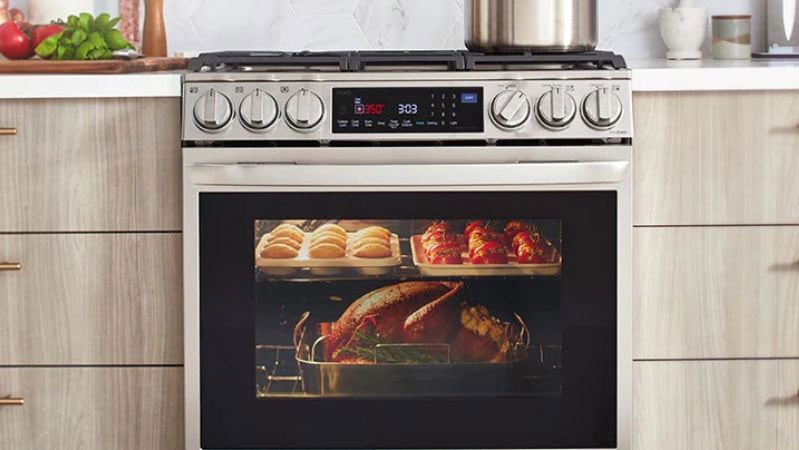
The core platform is the same as LG. Burners, oven structure, and convection system all perform well over time.
Service Reality:
Same service network as LG. Same parts. Same technicians. No added service risk compared to standard LG. You are paying for better finishes and design, not a different reliability profile.
Worth Considering If:
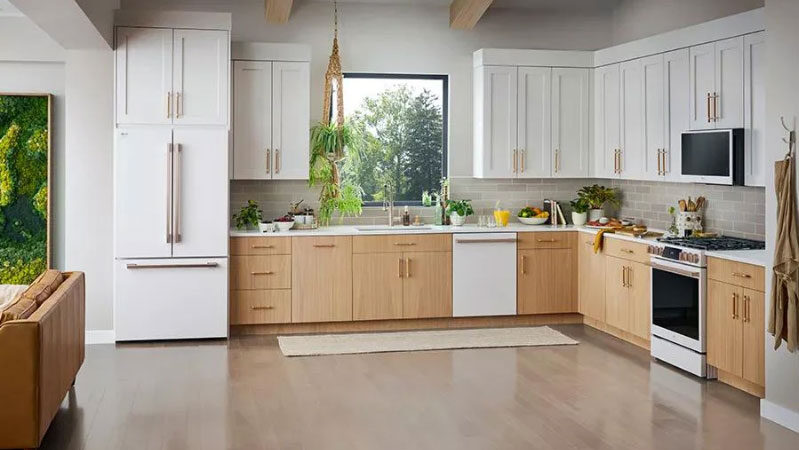
You want a more premium look without stepping into higher-risk categories.
The LG Studio LSGS6338F runs around $2,400 to $2,600 with upgraded hardware and finishes. If you like LG but want something more refined, this is the upgrade.
GE Profile Gas Ranges: 10.1% Service Rate
Reliability Verdict: Higher service rate than GE due to added features.
What Breaks:
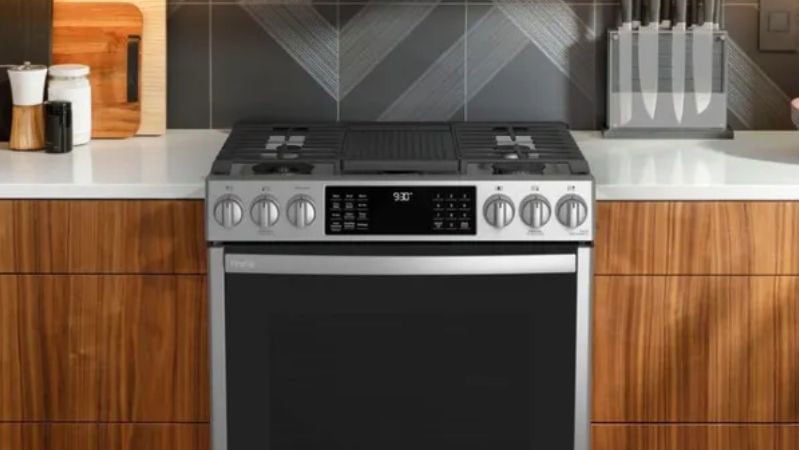
Control board is the most common issue. More cooking modes mean more electronics.
Convection fan sees more wear from air fry and convection cooking. Self-clean cycles can also stress sensors and door components over time.
What Holds Up
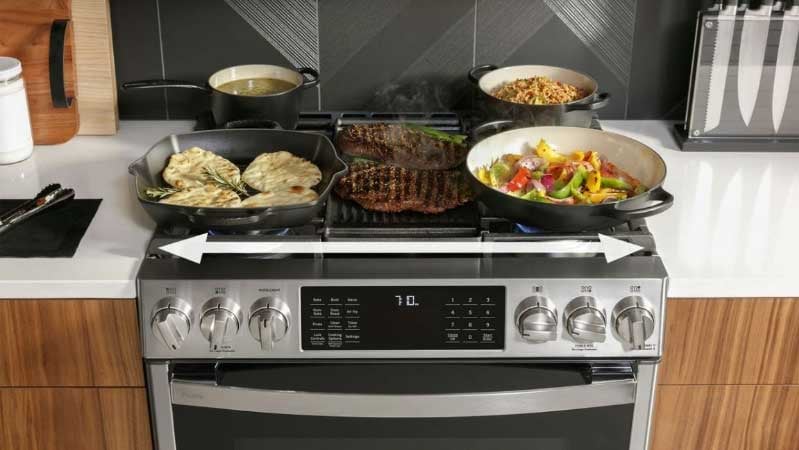
The gas system is the same as standard GE. Burners and valves are reliable.
Service Reality:
Same service network as GE. Same parts access. Repairs are usually faster than most brands. More features mean more things can break. That is the trade-off.
Worth Considering If:
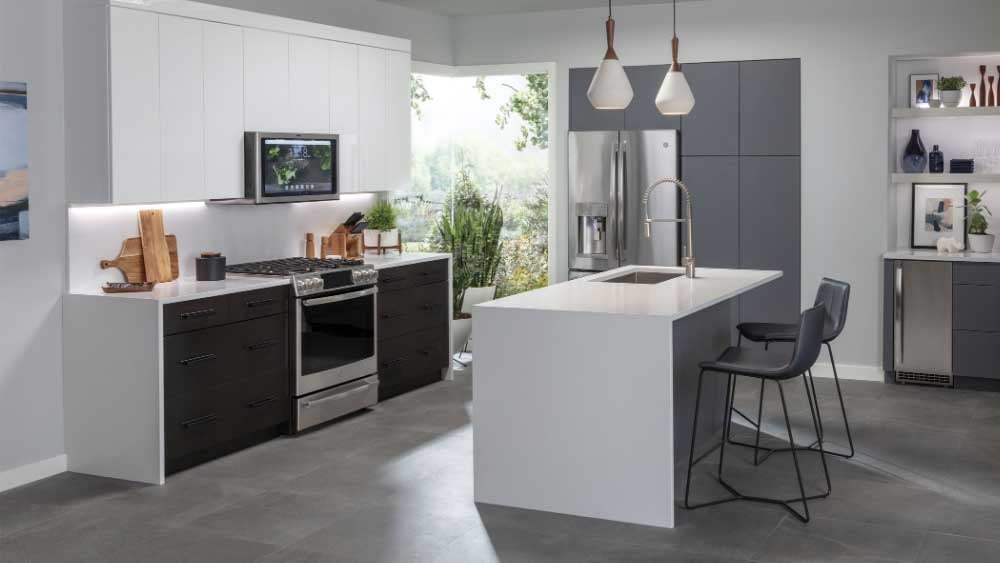
You want more cooking modes like air fry and a slide-in design. The GE Profile PGS930YPFS runs from about $2,000 to $2,800.
If features matter more than having the lowest service rate, this is a solid option.
Café Gas Ranges: 11.7% Service Rate
Reliability Verdict: The highest service rate on this list due to added features and a double oven design.
What Breaks:
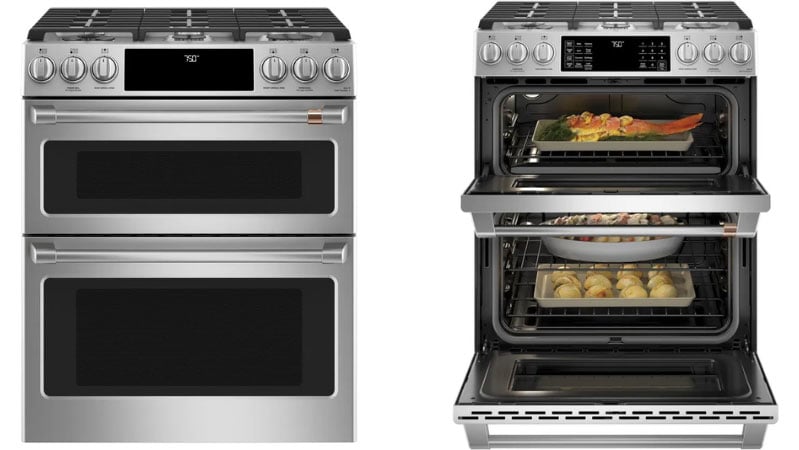
Control board is the top issue. Two ovens mean more electronics and more potential failure points.
Oven sensors can drift in one or both ovens. Self-clean cycles put stress on sensors, gaskets, and electronics.
What Holds Up
Burners, cooktop, and overall build quality.Most issues are tied to the oven electronics, not the gas system.
Service Reality:
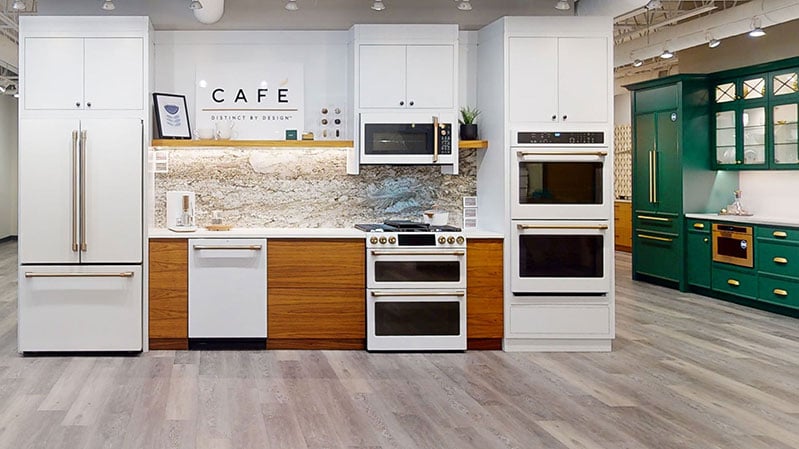
Part of the GE family. Same service network. Same parts availability. Repairs are usually faster than most brands.
Two ovens and more features mean a higher chance of needing service.
Worth Considering If:
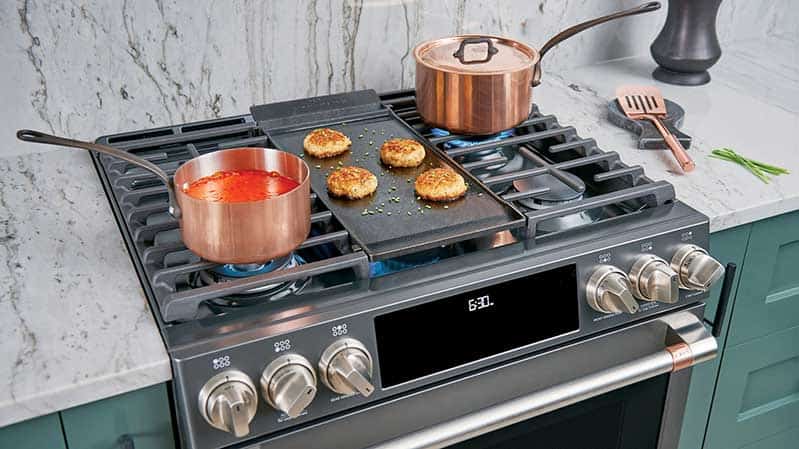
You want a 30-inch double oven gas range. The Café CGS750P2MS1 runs from about $3,200 to $4,100.
If you need two ovens in a standard size, this is one of the few options. Just go in expecting a higher likelihood of service over time.
🔍 Read more: The Best Gas Ranges for 2026
What Actually Breaks in a Gas Range?
Gas range service calls are predictable. The same problems come up over and over again.
Igniters (Most Common):
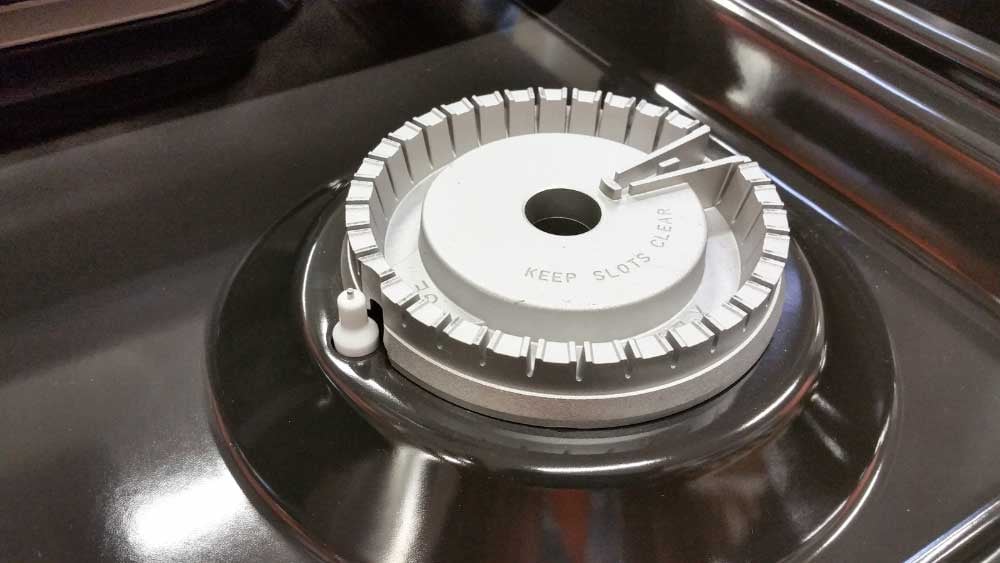
Igniters wear out or get dirty from food and cleaning residue. When that happens, you will hear clicking or have trouble lighting burners.
In many cases, this is an easy fix. Cleaning the igniter or replacing it solves the problem.
Control Boards:
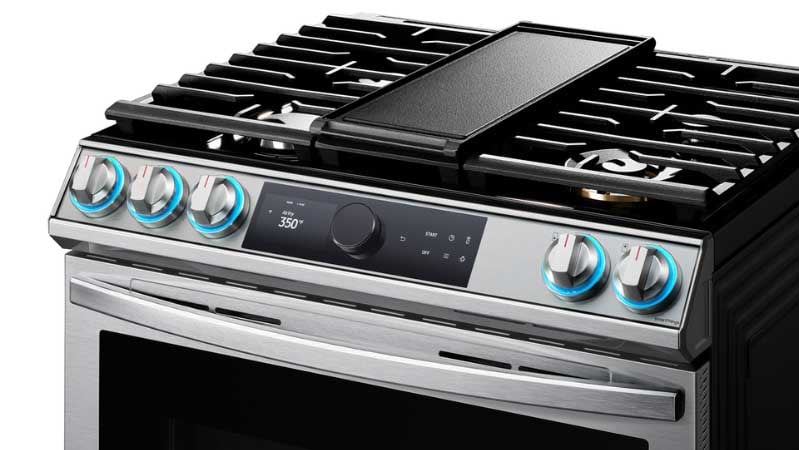
Control boards run the oven. The more features you have, the more complex the board. When they fail, the oven may not heat properly or the display stops working.
This is a repair that requires a technician.
Gas Valves:
Gas valves control fuel flow. Failures are less common but more serious. If a valve goes, that burner or oven will not heat. This is not a DIY fix.
Oven Senors:
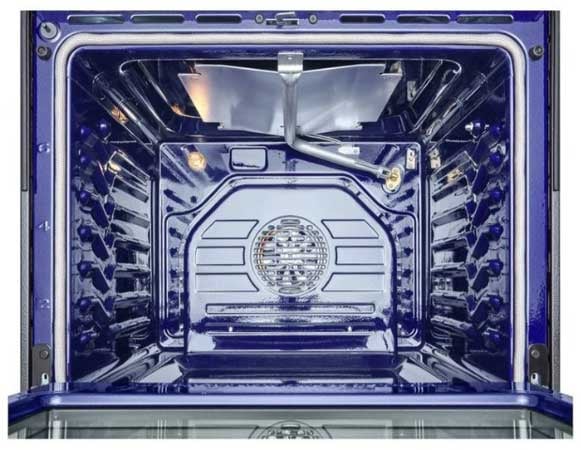
Sensors regulate temperature. When they drift, your oven runs too hot or too cold. This is a straightforward repair and one of the more common service calls.
Self-Clean Damage:
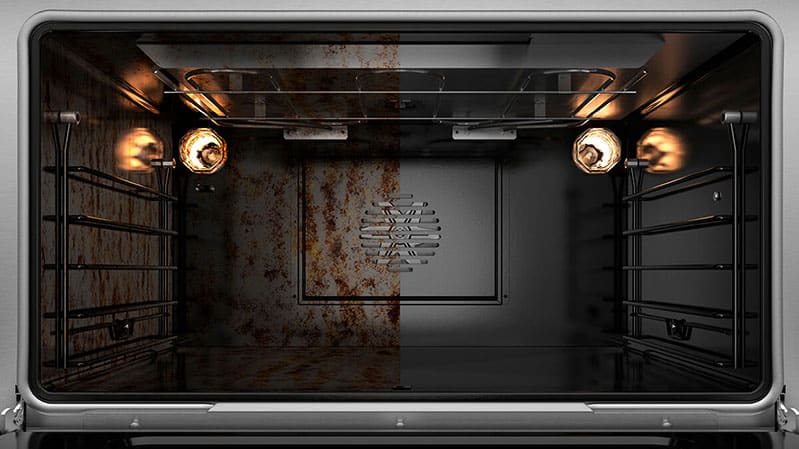
Self-clean cycles run at extremely high temperatures. Over time, that heat can damage sensors, door gaskets, and electronics.
If you use self-clean, limit it to once or twice a year and remove any racks before starting.
Most gas range problems are simple parts wearing out over time, not major failures.
Can Anyone Actually Fix Your Gas Range Where You Live?
This is the part you might miss.
You compare features. You read reviews. You look at the price. When something breaks, none of that matters if no one can fix it.
Service depends on where you live.
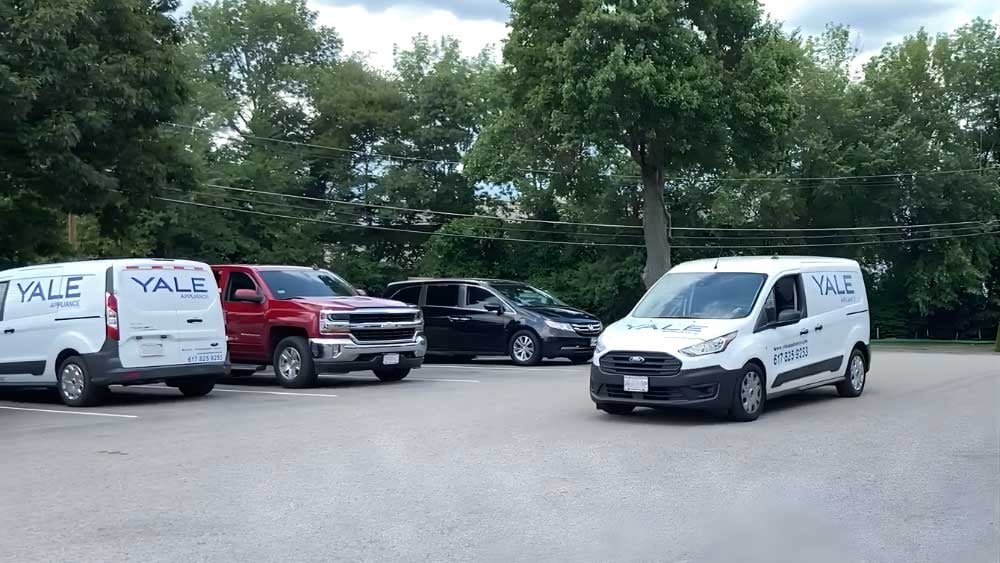
Before we opened a store in Nantucket, it could take four weeks to get a technician out there. If they needed parts, it could stretch to two or three months to finish the repair.
If you are only there for the summer, that appliance is out of commission the whole time.
In Rhode Island andNew Hampshire, some brands have full coverage. Others rely on smaller third-party networks.
Before you buy, ask one question: Who fixes it, and how long will it take?
Check this before you commit:
-
Call the brand's service line with your zip code
-
Ask your dealer who handles service after the sale
-
Confirm parts availability for your model
The product matters. The service behind it matters just as much.
🔍 Read more: Appliance Service 2026: Why Most Stores Skip It & How to Protect Yourself
Does Spending More on a Gas Range Mean Better Reliability?
Short answer: no. In gas ranges, you often see the opposite.
Simpler ranges tend to be more reliable. Basic models like GE have fewer electronics and fewer features. That means fewer parts that can fail.
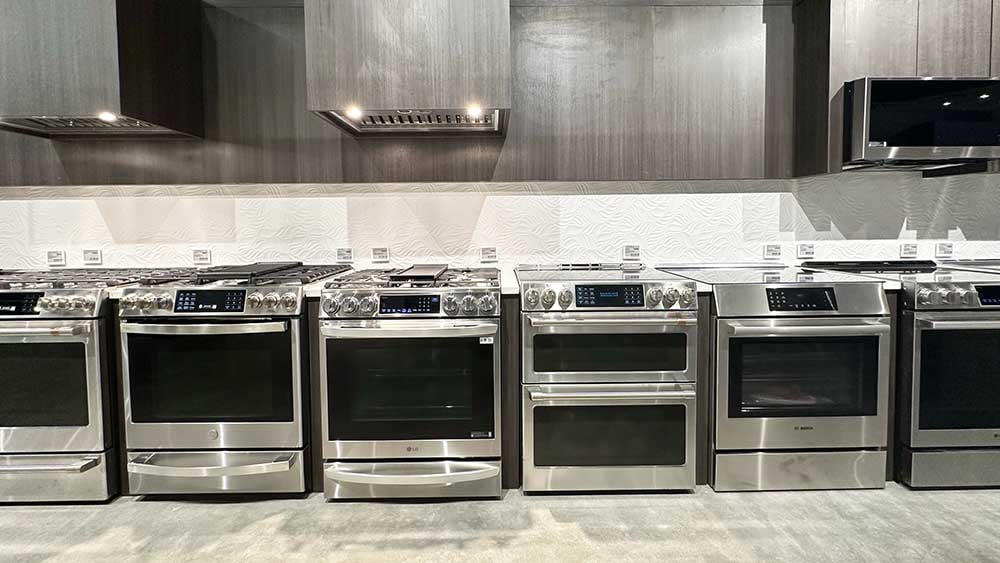
As you move up in price, you add features. Convection modes. Air fry. Wi-Fi. Double ovens. Those features are useful, but they also add complexity. More complexity means more service calls.
You can see it in the numbers:
You are not paying for reliability. You are paying for features and design.
That does not mean you should avoid higher-end ranges. It means you should go in with the right expectation.
If your top priority is reliability, stay simple.If you want more features, expect a higher chance of service over time.
How Long Should a Gas Range Last?
A gas range should last about 13 to 15 years. Some last longer, especially simpler models with fewer electronics
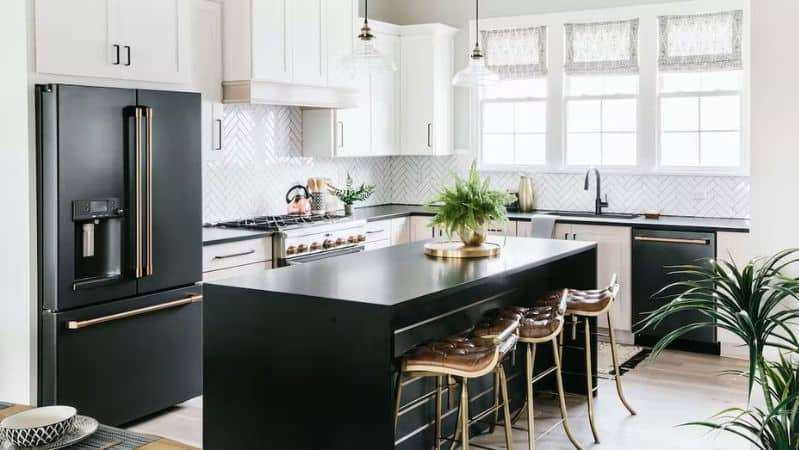
The gas system itself is durable. Burners and valves can last a long time.
What usually ends the life of a range is everything around it. Control boards fail. Sensors drift. Parts become harder to find.
It is rarely one big failure. It is a series of smaller repairs over time.
What helps a gas range last longer:
-
Clean the igniters regularly
-
Use the self-clean cycle sparingly
-
Make sure your ventilation is working properly
-
Have it installed correctly, especially the gas connection
What shortens its life:
-
Running self-clean too often
-
Ignoring clicking or ignition problems
-
Poor ventilation leading to grease buildup
-
Improper installation
If a repair costs more than 35% of a new range, it is usually time to replace it.
A $600 repair on a 12-year-old range is hard to justify. The same repair on a 3-year-old range is usually worth it.
Which Installation Mistakes Cause Gas Range Breakdowns?
Some service calls are not product issues. They are installation problems.
Gas line connection:
If the connection is not done correctly, you can get weak flames, uneven heating, or ignition problems. In Massachusetts, this is not optional.
A licensed plumber or gas fitter should handle it.
Ventilation:
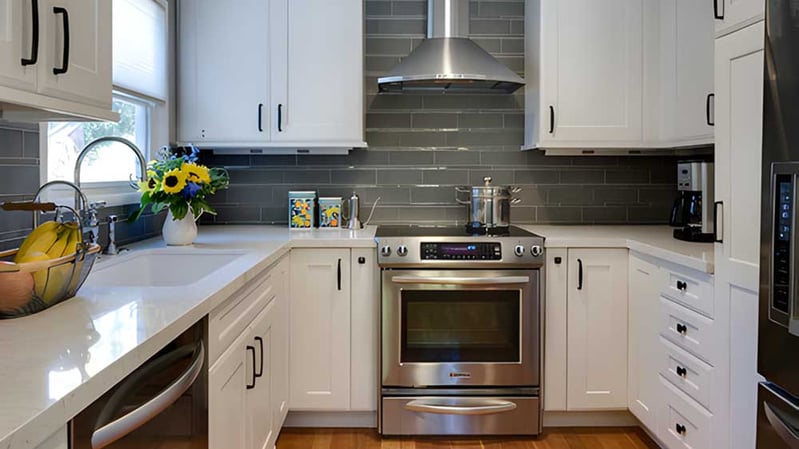
If your hood is not strong enough or not vented outside, grease and moisture build up faster. That puts more stress on burners and ignition components over time.
In many homes, especially older ones, ventilation is undersized.
Leveling:
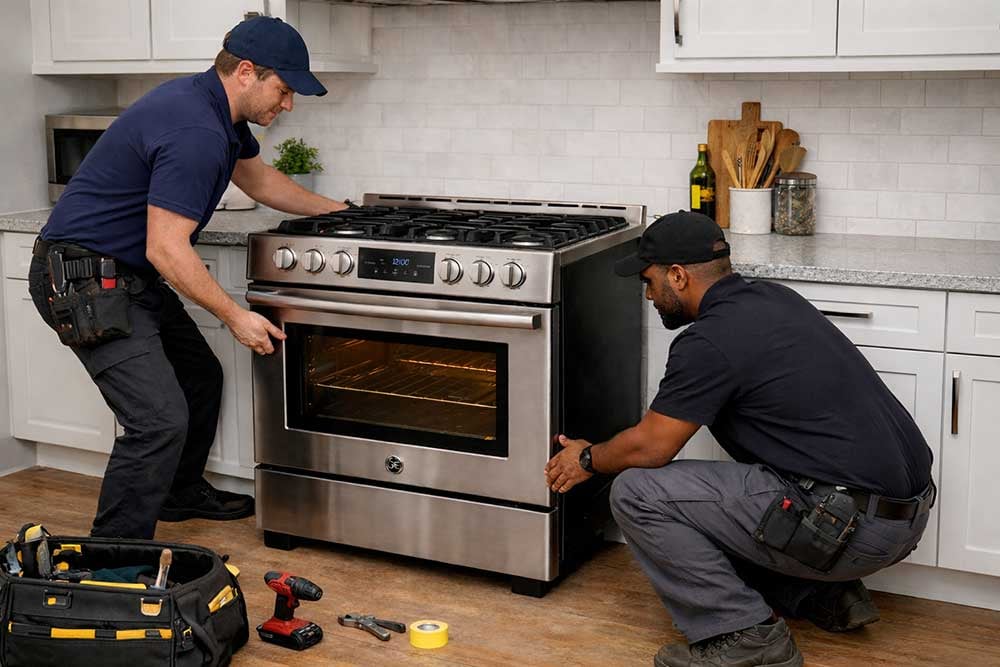
If the range is not level, heat does not distribute evenly. Over time, the oven works harder and performance drops.
Electrical supply:
Gas ranges still need electricity for ignition and controls. If the power is inconsistent, you can get intermittent ignition problems that look like a faulty part.
Most installation issues show up later as service calls. Getting it right upfront prevents a lot of problems.
Bottom Line: What Gas Range Should You Buy?
If reliability is your top priority, start with GE. It has the lowest service rate and is easy to get fixed.
If you want more features with similar reliability, look at LG or LG Studio.
If you want advanced features like air fry or a double oven, GE Profile and Café are good options. Just expect a higher chance of service over time.
The safest choice is the one you can get serviced quickly where you live.
Service availability varies by brand and location. Here are the most common questions we hear from buyers in our area.
Additional Resources
Before you decide, download our Gas Range Buying Guide. It walks you through sizes, features, and what to avoid.
Or visit one of our showrooms in Boston, Framingham, Hanover, Hyannis, Nantucket, or Norton. You can see these ranges in person and talk to someone who actually services them.
We install what we sell. We service what we sell. And we can help you avoid the most common mistakes.
Subscribe for More
If this helped, subscribe or check out our other guides.
We publish real service data, product reviews, and buying advice so you can make the right decision the first time.

Related Articles:
Most Reliable Appliances Series:
- Most Reliable Appliance Brands
- Most Reliable Counter-Depth French Door Refrigerators
- Most Reliable Dishwashers
- Most Reliable Top Load Washers
- Most Reliable Front Load Washers
- Most Reliable Compact Washers
- Most Reliable Gas Cooktops
- Most Reliable Induction Cooktops
- Most Reliable Electric Ranges
- Most Reliable Induction Ranges
- Most Reliable Professional Gas Ranges
- Most Reliable Wall Ovens

Why Should You Trust Us?
It seems that every appliance review has nothing but glowing comments about almost every product, yet you read customer reviews and they are almost universally bad.
We are here to fill in the disconnect. We'll give you the best features, and the drawbacks as well, including reliability based on over 33,000 calls performed by our service team just last year. Our goal is to give you ALL the information so you know what's right for you.
Please consider subscribing or adding to the conversation in the comments below. We appreciate you stopping by.