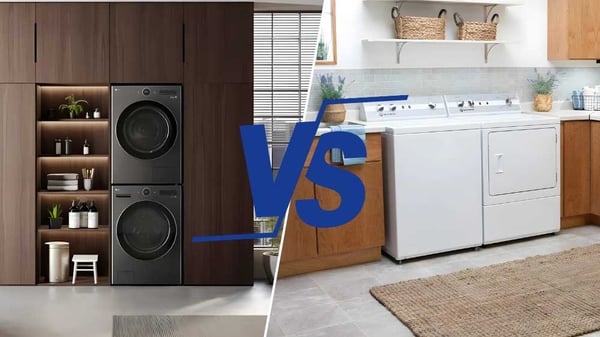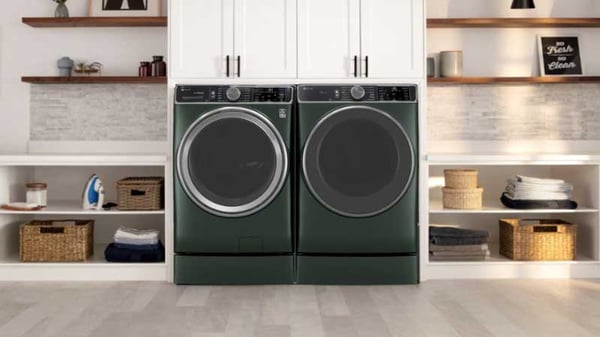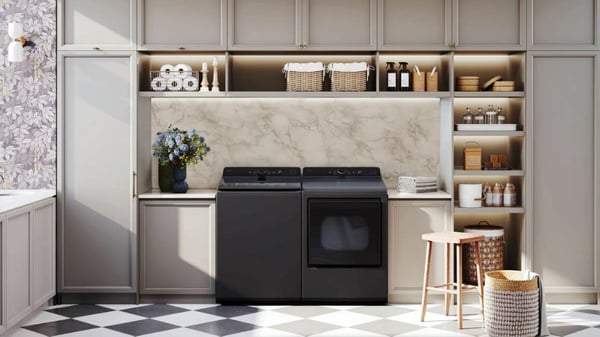


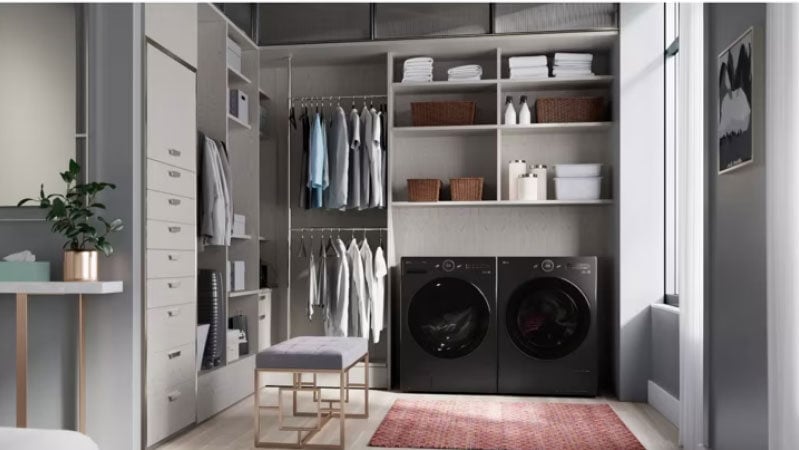
Laundry is the one category where a bad buy follows you around for years, one slow, frustrating load at a time.
It is also the category where I hold my strongest opinions.
You are probably here because you are replacing a machine or planning a laundry room, and you want to skip the regret. That is exactly the goal.
I am not saying these five are junk. I am saying I would not spend my own money on them, for reasons I can back with real service data.
Every one comes with an alternative, because telling you what to avoid is only half the job.
Here is what you'll learn:
- Why compact all-in-one combos are the worst laundry machines I have seen
- When a full-size ventless combo is still the right call
- Whether full-size heat pump dryers are ready to buy yet
- Why top-load agitator washers cost you more over time
- Whether super-capacity front-loads are worth the premium
- The single biggest mistake buyers make, and how to avoid it
In this Article
Quick Picks: My Verdict at a Glance
For context, our overall appliance service rate runs about 8.3%. Keep that number in mind as we go, because a couple of these categories sit well above it.

5 Washers and Dryers I Wouldn't Buy in 2026
Here are the five machines I would skip, why I would skip them, and what I would buy instead.
1. Compact All-in-One Combo Washers & Dryers
This is the worst appliance I have seen in 40 years at Yale Appliance. I do not say that lightly.
Here is the core problem. A compact all-in-one traps its own lint, because there is nowhere for it to go.
It collects inside the machine, cycle after cycle, until the drum mechanism seizes. When that happens, the fix is either very expensive or not worth doing at all.
We actually make customers sign off before we will sell them one.
That is how often this ends badly.
You are probably not shopping for this machine on purpose. Most people who end up with one have no other choice. They live on a boat, in a tiny studio, or in an RV they travel in often.
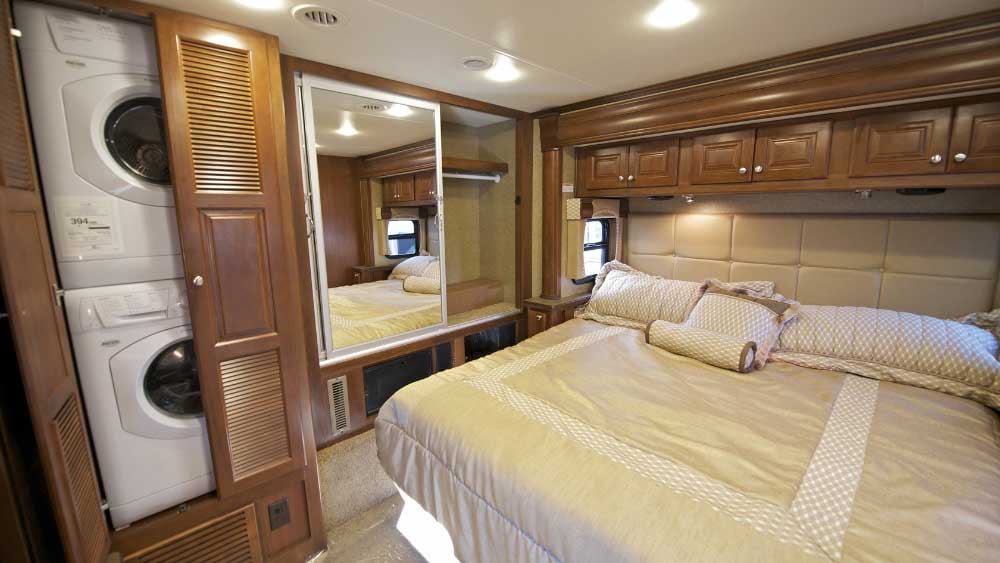
If that is you, fine. But the machine you are more likely to be tempted by is the next one on the list, and it is the real trap.
Better bet: If you can spare 24 inches of width and stack, a compact front-load washer with a matching heat pump dryer will outlast and outperform any all-in-one.
2. Full Size Ventless Combo Washers & Dryers
This is the trap I mentioned, and I want to be fair about it.
If you have 120 volts and no way to add a dryer vent, this is the one appliance that actually fits your space. In that case, the trade-offs are worth it because you have no real alternative.
For everyone else, here is the catch. You cannot reload the washer while the dryer is running, because it is all one machine.
So laundry day takes about twice as long as it would with two separate units. Heat pump drying in a full-size drum is already on the slow side, which makes the wait longer still.
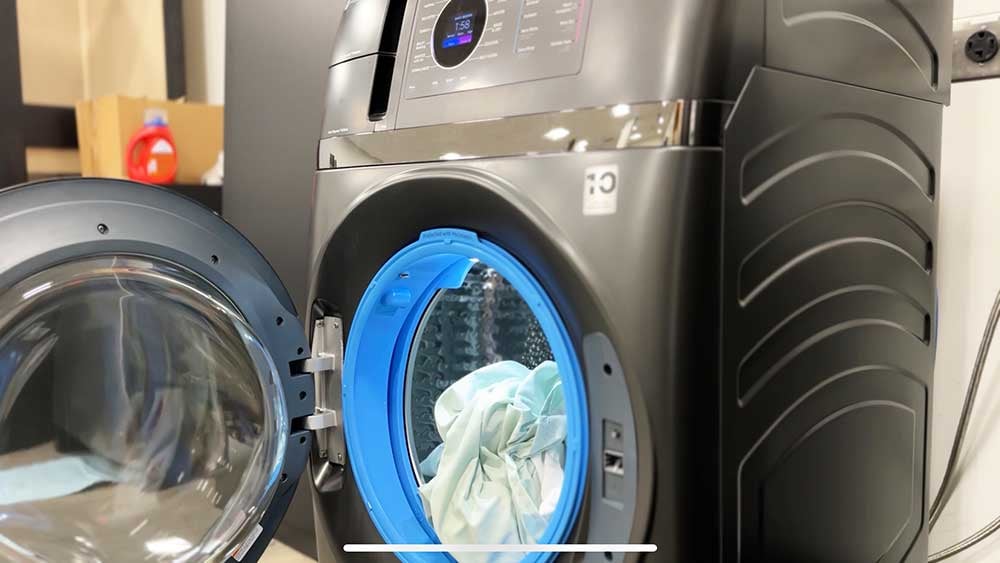
If you have a big family or run laundry constantly, this is not your machine. The math just does not work when the loads pile up.
Small household, no vent? I can see it. But only because you do not have another option. That is the honest line on combos.
The reliability picture backs this up.
Across the combo units we sell and service, the category averages a 12.4% service rate, the highest of any laundry type, which reflects the complexity of doing two jobs in one drum.
3. Full Size Heat Pump Dryers
I believe in this technology. I just do not think the full-size version is ready for your home today. There are two reasons.
Speed Is Still the First Problem
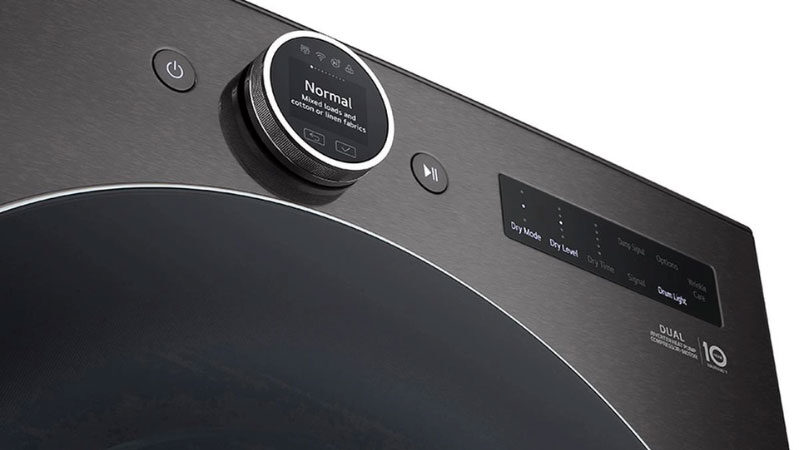
The first reason is simple. A full-size heat pump dryer is not fast enough yet. The technology will get there, but it is not there now.
If you dry a lot of laundry, that slower cycle adds up fast across a week.
The Real Issue Is Who Can Fix It
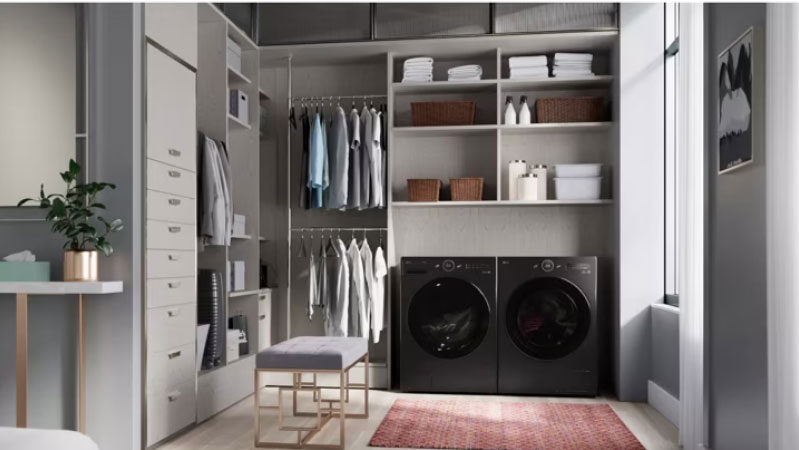
The second reason matters even more, and it will still matter once the speed catches up.
A heat pump dryer is not a heating element anymore. It is a compressor, an evaporator, and a heat exchanger, which is basically a small refrigerator bolted onto a dryer.
So the technician at your door needs to fix a washer, a dryer, and a refrigerator, all in one machine. Right now, those technicians barely exist.
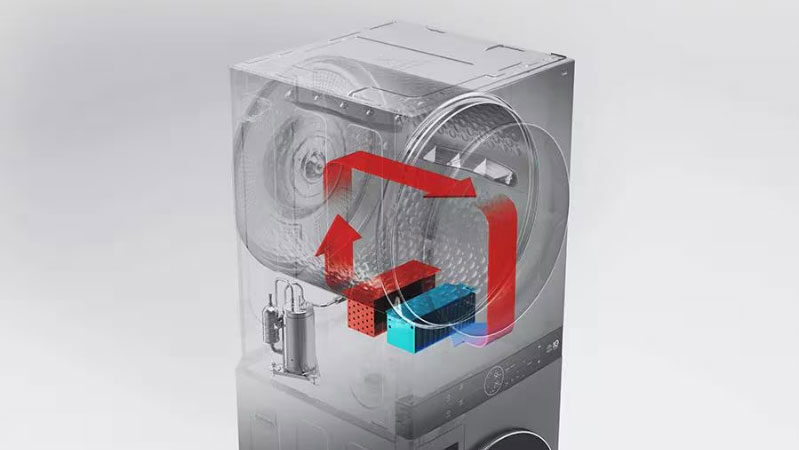
Most dryer techs cannot service a sealed refrigeration system, and most refrigeration techs do not work on dryers. Almost no company has one person who does both.
Our early service data tells the same story.
Full-size heat pump dryers are a new, small sample for us, and the results are mixed enough that I would wait.
One standalone model has looked good, while an all-in-one tower version has run much higher. That is not a bet I would make with my own money yet.
Why Compact Heat Pump Dryers Are Different
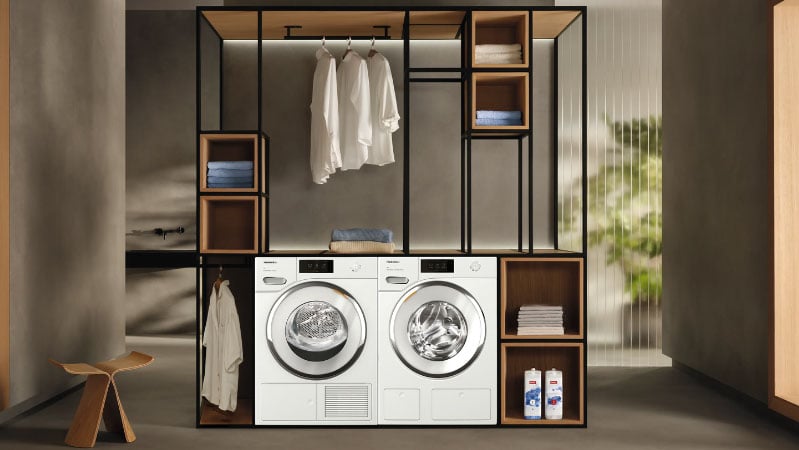
Compact changes the equation. Miele and Bosch build compact heat pump units that genuinely work.
The reason is spin speed.
A compact Miele or Bosch washer spins at 1,600 RPM, so clothes come out nearly dry before they ever reach the dryer.
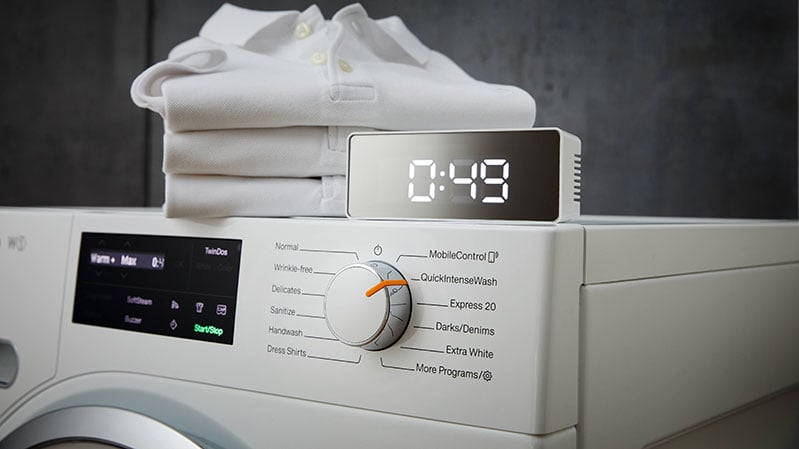
A heat pump also runs more efficiently in a smaller space to begin with.
The numbers agree. Compact heat pump dryers average a 7.4% service rate in our data, with Miele leading the group at 6.2%.
I have lived this evolution personally. When I moved into my house in 2017, I did not want the smaller condenser models, and the larger heat pumps were not available yet, so I put in a vented dryer that I still run today.
The category has come a long way since then, but the full-size heat pump still needs another few years.
Better bet: If you can vent, buy a quality vented dryer now. If you cannot vent and want efficiency, look hard at a compact Miele or Bosch heat pump.
🔍 Read more: Vented vs. Condenser vs. Heat Pump Dryers: Which Should You Buy?
4. Top Load Washers With Agitators
Expect the most pushback here, especially from people loyal to the brand they grew up with. I understand it, but the running costs are hard to argue with.
Over the years, you will pay more to run an agitator washer.
A top-load agitator uses roughly twice the water of a comparable front-load, about 30-plus gallons per load versus 13 to 17 for a front-load, and it uses more electricity to match.
It also holds less.
A 5.0-cubic-foot front-load gives you meaningfully more usable room than a typical agitator tub, so you run more loads to wash the same laundry.
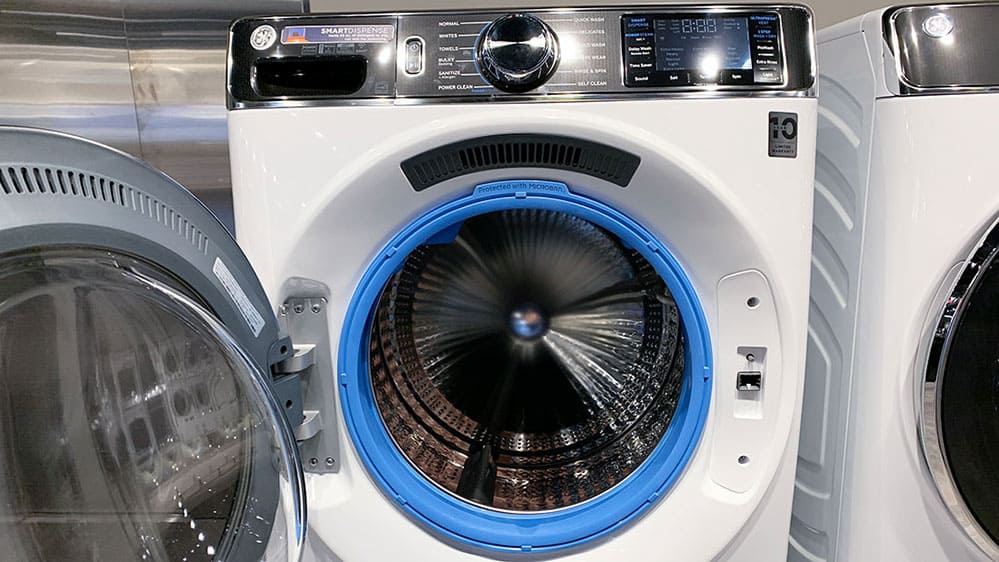
Now the fair side, because agitators do have real strengths. They are easy to fix, no question about it.
They also avoid the mold complaints that people pin on front-load washers. That reputation is not entirely fair, though.
I have run front-load washers from Electrolux, Miele, and Maytag for 20 years with no mold and no issues, because I dry the gasket and leave the door open between washes.
A few seconds of habit solves the problem people fear most.
The data lines up. Top-load washers average a 4.4% service rate and front-loads a 4.6%, both comfortably below our 8.3% overall appliance average. Reliability is not the reason to pick an agitator.
Better bet: A front-load for the best cleaning and efficiency, or if you love loading from the top, a high-efficiency impeller top-load that skips the agitator.
🔍 Read more: The Best Front-Load Washers for 2026
5. Super Capacity Front Load Washers
Let me be clear that these are capable machines. The issue is fit and value, not quality.
Most laundry rooms simply cannot accommodate a super-capacity washer.
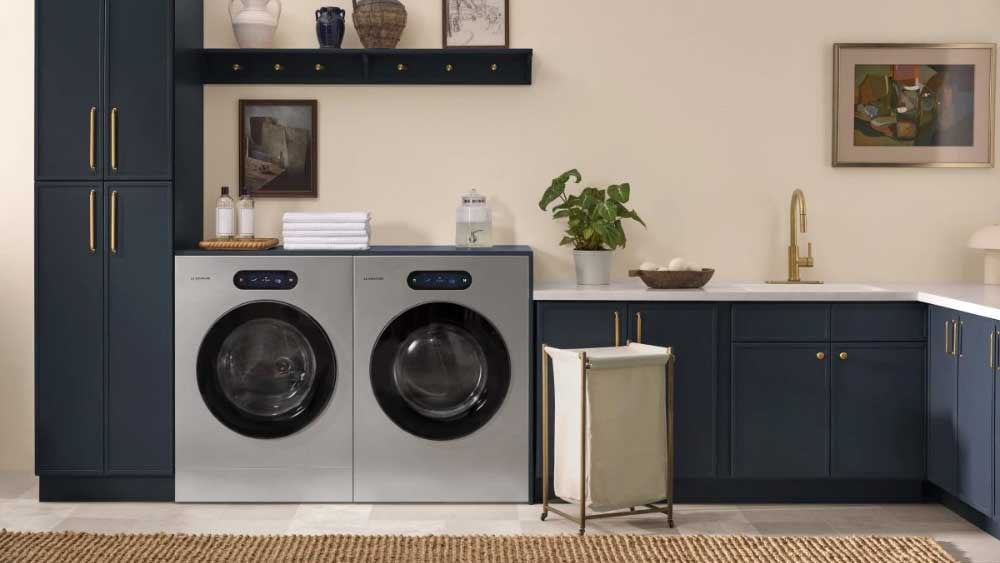
They are large, and once you account for the door swing and depth, a lot of spaces run out of room.
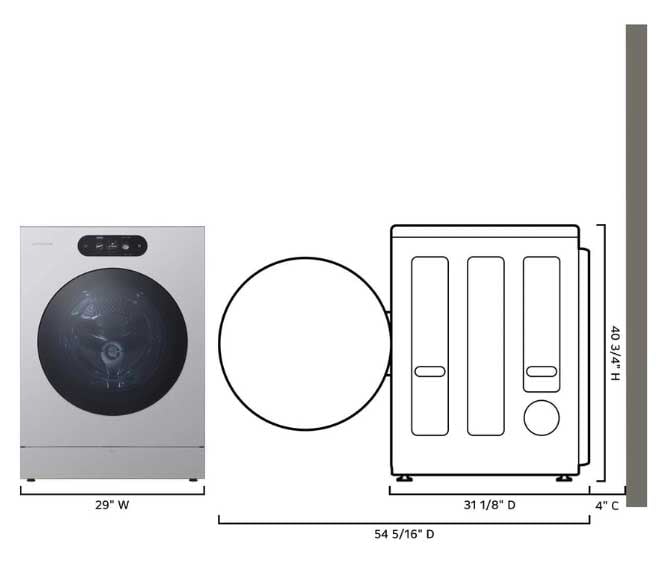
Then there is the money. You are paying roughly a thousand dollars more for about seven tenths of a cubic foot of extra capacity, and that is a difference you will almost never feel in daily use.
A standard 5.0-cubic-foot front-load already handles a king comforter and big family loads. The jump to 5.8 or 6.0 rarely earns back its premium.
Better bet: A standard 5.0-cubic-foot front-load. You keep the capacity that matters and put the extra thousand dollars toward a better dryer or installation.
What's the Biggest Mistake When Buying a Washer or Dryer?
That is five products I would not buy. But the biggest mistake on this list is not any single machine.
Here is how I think about brand. We sell LG, Miele, Asko, GE, and Bosch, and we do not sell Samsung or Electrolux.
Feature for feature, I would buy whichever quality brand gets fixed fastest in your area. That is the whole decision, boiled down.
You will forget the brand name. You will forget the feature list. You will not forget the month it took to get the machine fixed.
I feel this at home. It is just me and my daughter, and we do an ungodly amount of laundry, so I can only imagine a family of five.
This is not a guess.
We handled more than 33,000 service calls last year, and the pattern is always the same: the machine that gets serviced fast is the one you end up happy with.
Before we started servicing Nantucket, a repair out there could take four to eight weeks. That is a long time to live out of a laundry basket.
🔍 Read more: The Most Reliable Washers for 2026
So What Should You Buy?
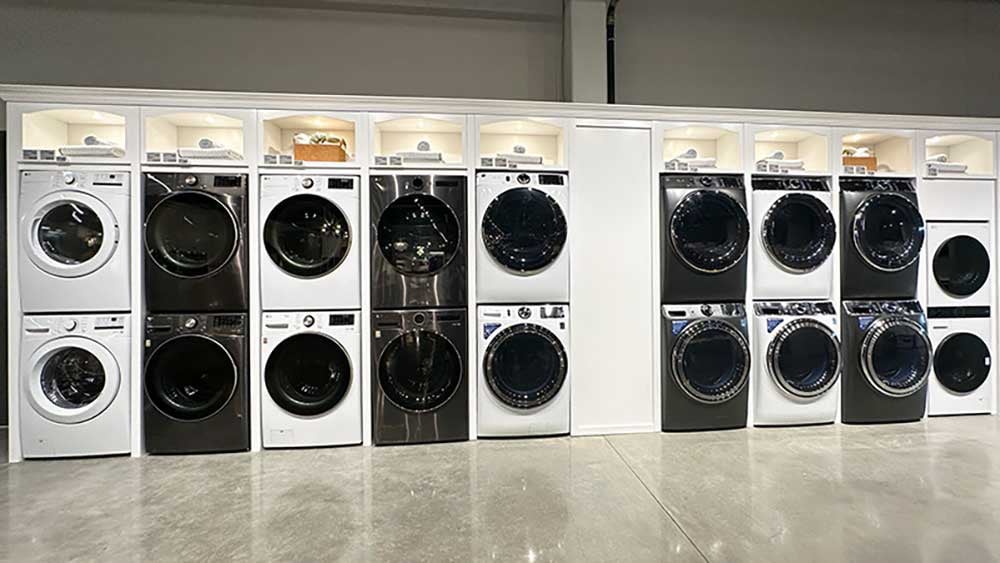
If you take one thing from this list, make it this:
Pick a quality brand first, confirm someone can service it quickly where you live, and only then argue about features.
Skip the compact all-in-one combo unless you are on a boat. Treat the full-size ventless combo as a last resort for a 120-volt, no-vent space.
Give full-size heat pump dryers another couple of years, but look closely at a compact Miele or Bosch if you need ventless and want efficiency.
Choose a front-load or an impeller top-load over an agitator, and stick with a standard 5.0-cubic-foot machine instead of paying up for super capacity.
Do that, and you will spend less over the life of the machine and lose far fewer weekends to a broken washer.
Additional Resources
Download our Yale Washer & Dryer Buying Guide with all the features, terms, and brands of laundry. Over 1 million people have already found answers in a Yale guide.
Related Articles:

Why Should You Trust Us?
It seems that every appliance review has nothing but glowing comments about almost every product, yet you read customer reviews and they are almost universally bad.
We are here to fill in the disconnect. We'll give you the best features, and the drawbacks as well, including reliability based on over 33,000 calls performed by our service team just last year. Our goal is to give you ALL the information so you know what's right for you.
Please consider subscribing or adding to the conversation in the comments below. We appreciate you stopping by.