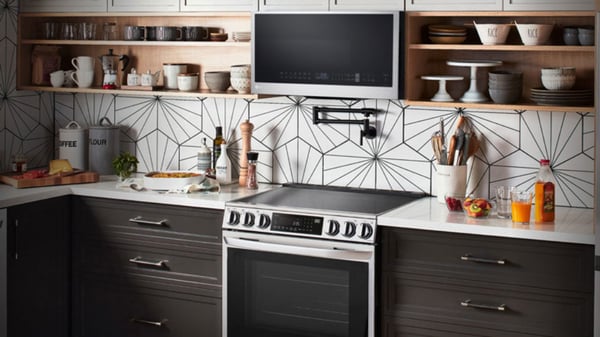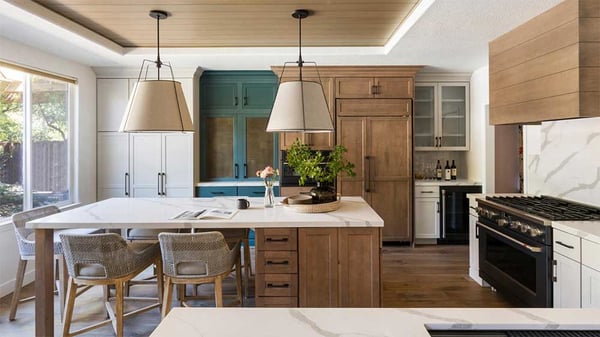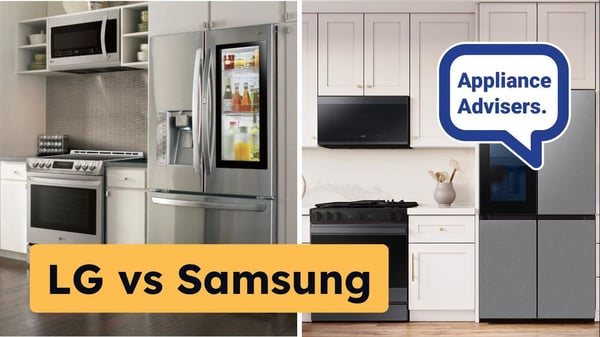


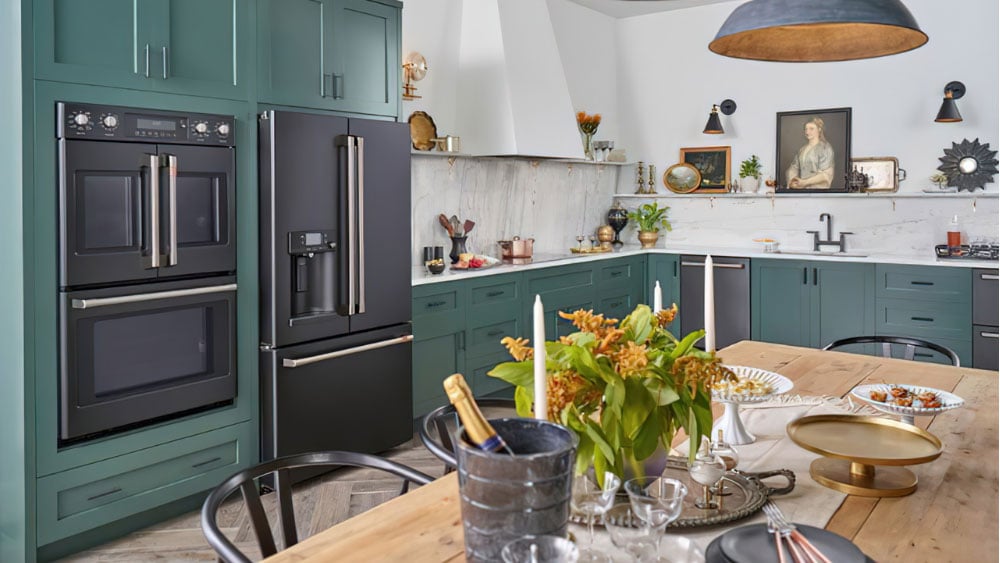
TL;DR: What Does a Stylish Kitchen Really Cost in 2026?
In 2026, most stylish kitchen appliance packages land between $9,000–$15,000. $9,000–$10,000 gets strong performance and a high-end look, while up to $15,000 adds premium finishes and extra features—still well under $30,000.
Brands featured: Bosch, Samsung, LG, GE Profile, Café, KitchenAid.
You probably assume a good-looking kitchen costs $30,000 or more in appliances.
That assumption is wrong, and it will cost you money.
You can build a clean, modern, high-end-looking kitchen for far less if you know where to spend and where not to.
In this blog, I’ll show you real prices, real brands, and appliance choices people actually buy. We’ll walk through a full kitchen appliance package and break down what it really costs today.
The number is probably lower than you think.
What You’ll Learn
- What a stylish, high-end-looking kitchen really costs in appliances today.
- How much to budget for each major appliance without overspending.
- Which upgrades actually improve the look and function of your kitchen.
- Where you can save money without sacrificing performance.
- How timing and rebates can lower your total cost even more.
Looking for Luxury Brands Instead?
If you’re shopping luxury brands like Sub-Zero, Wolf, Thermador, Miele, or Monogram, the pricing and decisions are very different.
We break those costs down separately, with real numbers and trade-offs.
👉 Click here to learn what luxury kitchen appliances really cost.
If you’re focused on a stylish, high-end look without luxury pricing, keep reading.
How Much Does a Stylish Kitchen Really Cost in 2026?
Price Snapshot
| Typical Price Range | What You’re Paying For | |
| 30-inch Range (gas or induction) | $2,000–$4,000 | Enough power for real cooking. Gas costs less. Induction and dual fuel cost more. |
| Vent Hood | $500–$600 | Real ventilation that actually removes smoke, grease, and heat. |
| Counter-Depth Refrigerator | $1,600–$3,800 | A built-in look without the built-in price. Most buyers land near $3,000. |
| Dishwasher | Around $1,000 | Quiet performance, good cleaning, solid drying. |
| Microwave Drawer | Around $1,500 | Cleaner layout once the microwave is off the range. Optional but popular. |
Where Should You Start When Buying Cooking Appliances?
⚡ Quick Answer: Most kitchens are best built around a 30-inch range because it fits standard cabinets, vents properly, and delivers the performance most households need without forcing expensive layout changes.
Cooking is the center of your kitchen, and it is also where people overthink the fastest.
Most homes are built around a 30-inch range. It fits standard cabinets. It vents properly. It gives you everything you need without forcing layout changes.
You may hear that you need a professional range for serious cooking. In most cases, you don’t.
Most 30-inch ranges from Café, LG, GE Profile, Samsung, and Bosch have one or two pro-level burners, so you still get high heat when you need it.
A separate wall oven and cooktop will add $2,000 to $4,000 more to your budget.
Unless you need double ovens or have a specific layout goal, a single range is the smarter move.
What Does a 30-Inch Range Really Cost?
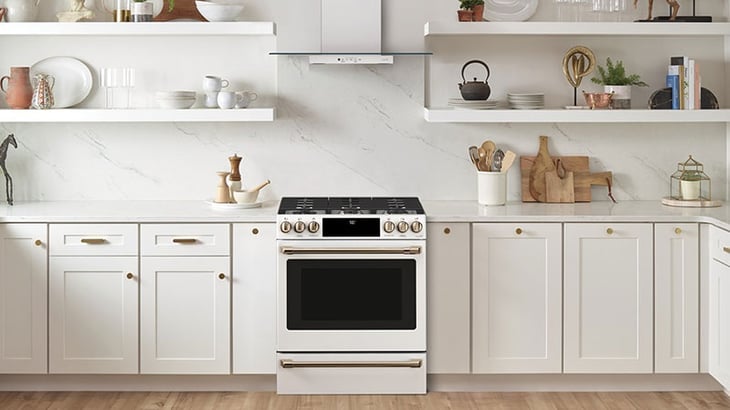
Most 30-inch gas or induction ranges from brands like Café, LG, GE Profile, Samsung, and Bosch fall between $2,000 and $4,000.
- Gas costs less.
- Induction and dual fuel cost more.
At this price range, you get:
Convection cooking
- At least one or two pro-level burners
- Reliable everyday performance
As you move up in price, you are paying for extras: double ovens, warming drawers, designer finishes, and custom handles.
Café tends to sit at the higher end because of those design options. LG and GE Profile often deliver strong performance for the money.
What Is the Sweet Spot for Most Buyers?
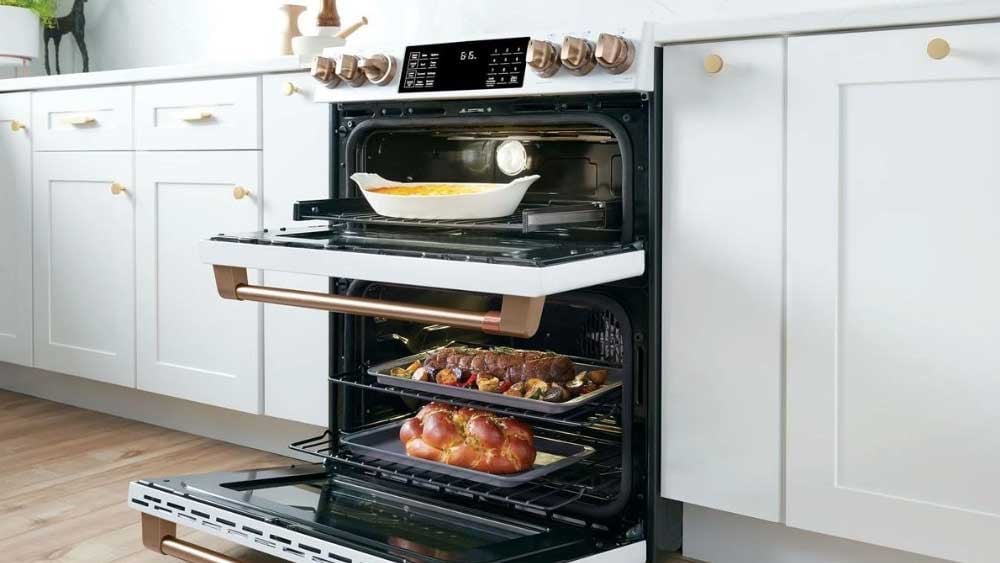
⚡ Quick Answer: Most buyers land around $3,000, which typically gets you the power and features you will actually use without paying for expensive extras.
Most people land around $3,000. The most you’re going to pay in this category is just over $4,000.
That price gives you:
- Enough power for real cooking
- A clean, built-in look
- Features you will actually use
🔍 Read more: Best Induction Ranges: 30-, 36-, 48-Inch Picks from 33K Service Calls

Why Is Ventilation the Most Underrated Appliance in the Kitchen?
⚡ Quick Answer: Ventilation is about more than smells. It helps remove heat, grease, and combustion byproducts from your home, which matters even more in newer, tighter construction.
Ventilation affects far more than cooking smells.
When you cook, especially with gas, you release compounds into the air: carbon monoxide, carbon dioxide, nitrogen oxides, and formaldehyde.
These are byproducts of combustion, and they do not just disappear.
In older homes, air leakage helped dilute them. In newer homes, construction is tighter. That means those compounds stay in your house longer unless they are vented outside properly.
Grease still builds up on cabinets. Heat still lingers in the room. But indoor air quality is the bigger issue most people never think about.
If you are considering an over-the-range microwave, understand the trade-off:
- It saves space.
- It saves money.
- It typically costs $200 to $500.
- It also does a poor job of ventilation.
Over-the-range microwaves are shallow. They struggle to capture smoke, grease, and heat from the front burners, which is where most cooking happens.
What Does Proper Ventilation Really Cost?

⚡ Quick Answer: For most 30-inch ranges, aim for around 600 CFM and a hood that vents outside. You can find solid options around $500 to $600 without going “commercial.”
For most 30-inch ranges, I recommend around 600 CFM.
That level of airflow is strong enough to move heat, grease, and combustion byproducts out of the house instead of letting them circulate.
You can find solid vent hoods from many brands in the $500 to $600 range.
You do not need a commercial-style hood. You do need one that vents outside and actually captures what you are producing.
What Is the Real Trade-Off With an Over-the-Range Microwave?
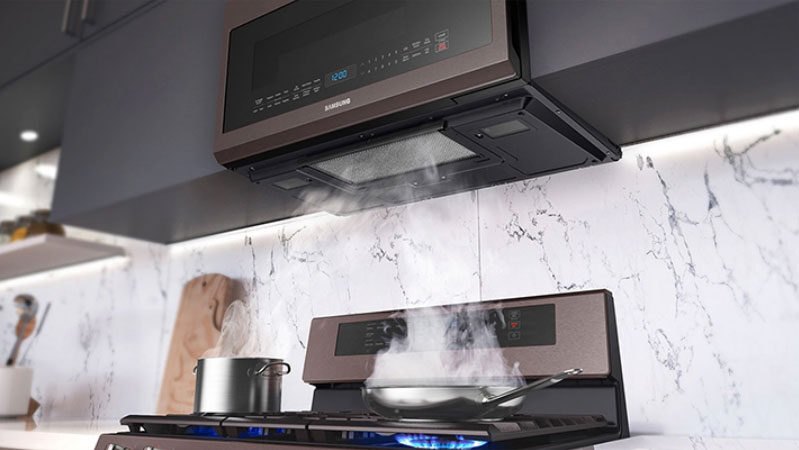
⚡ Quick Answer: An over-the-range microwave can save about $1,500 compared to a real hood plus a separate microwave, but it is a ventilation compromise that can impact air quality and cooking comfort.
An over-the-range microwave looks like a shortcut. It also saves money. Compared to a real hood plus a microwave drawer, you are saving about $1,500.
But it is a compromise. A real hood paired with a separate microwave gives you much cleaner air and a better-looking kitchen. It costs more, but it solves the problem instead of masking it.
🔍 Read more: The Ultimate Guide to Proper Kitchen Ventilation
If you’re planning a kitchen, we want to make sure these numbers actually work for your space.
Set up a personalized appointment at one of our six showrooms. We’ll help you price everything correctly, check ventilation and electrical requirements, and make sure it all fits before you buy.
It’s the best hour you’ll spend renovating your house.
👉 Schedule a personalized appointment here.

Why Can Refrigeration Blow Up Your Kitchen Budget?
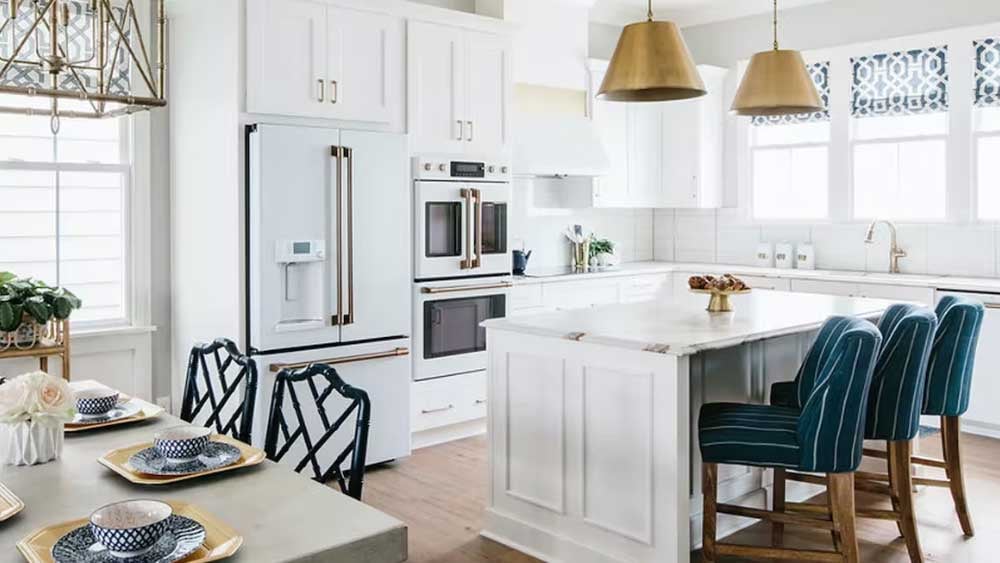
⚡ Quick Answer: Refrigerators are often the second most expensive kitchen appliance, and design-focused upgrades can quietly add thousands. Counter-depth models help you get a built-in look without paying for a true built-in.
The refrigerator is usually the second most expensive appliance in the kitchen. It is also where style choices can quietly add thousands of dollars.
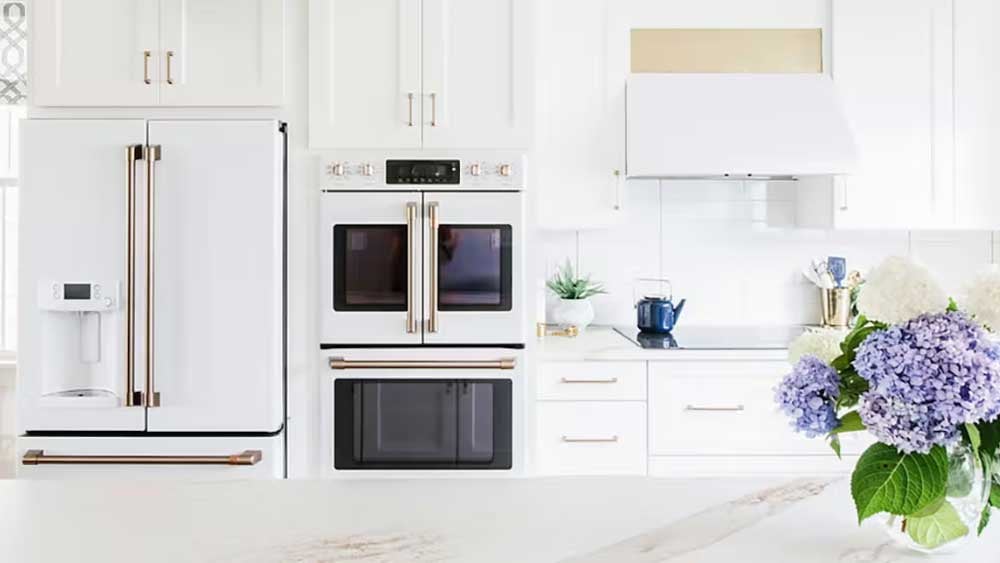
If you want a clean, built-in look without paying for a true built-in refrigerator, counter-depth is the move.
Counter-depth refrigerators sit closer to the cabinets. They do not stick out into the room. You are not staring at black or stainless sides.
The kitchen immediately looks more finished.
What Do Counter-Depth Refrigerators Really Cost?
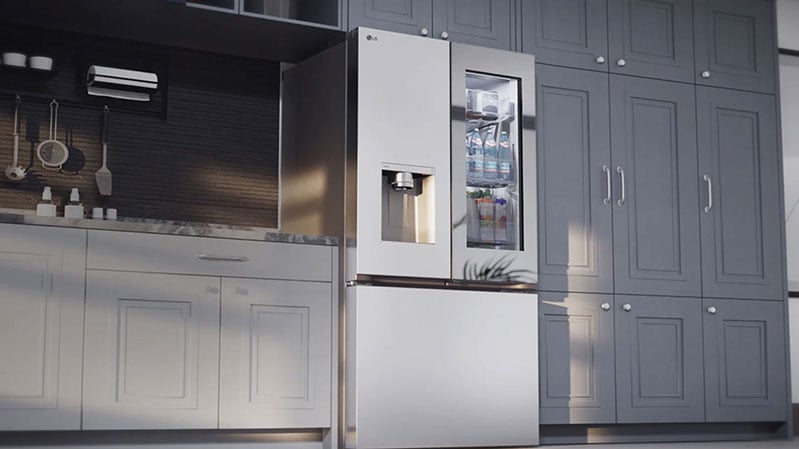
⚡ Quick Answer: Entry-level counter-depth models start around $1,600, while the most popular “sweet spot” sits closer to $3,000 once you add door ice, water, and better layout.
Entry-level counter-depth models start around $1,600.
At that price, you are getting solid capacity and basic features. No door ice. No extra tech. Just refrigeration that fits the space better.
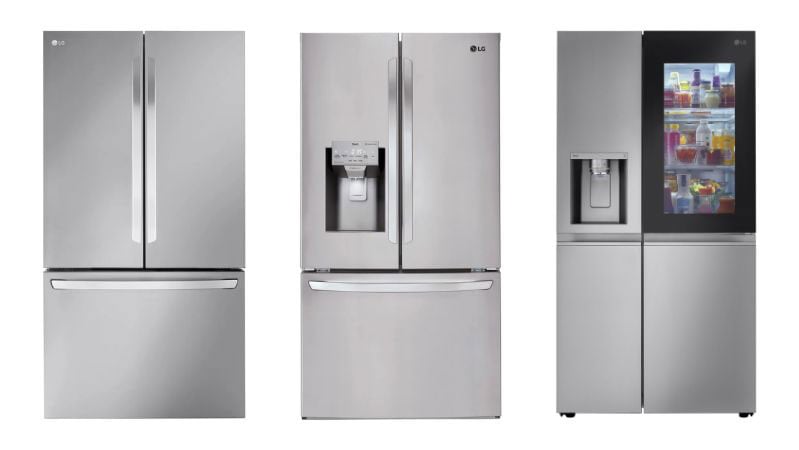 As you move up in price, you are paying for features:
- Ice and water in the door
- Multiple ice types
- Glass panels and specialty finishes
- Smart screens and connectivity
Bosch costs more because they use dual compressors, which helps with temperature control and food preservation.
Samsung moves higher with Bespoke finishes and Family Hub models, many of which run over $3,000.
Café also pushes higher with design-forward finishes and features. Some models can approach $4,000.
The main outlier is Fisher & Paykel. Their panel-ready counter-depth refrigerators can run $6,000 to $7,000 because you are paying for integrated installation and custom cabinetry panels.
What Is the Sweet Spot for Most Counter-Depth Buyers?
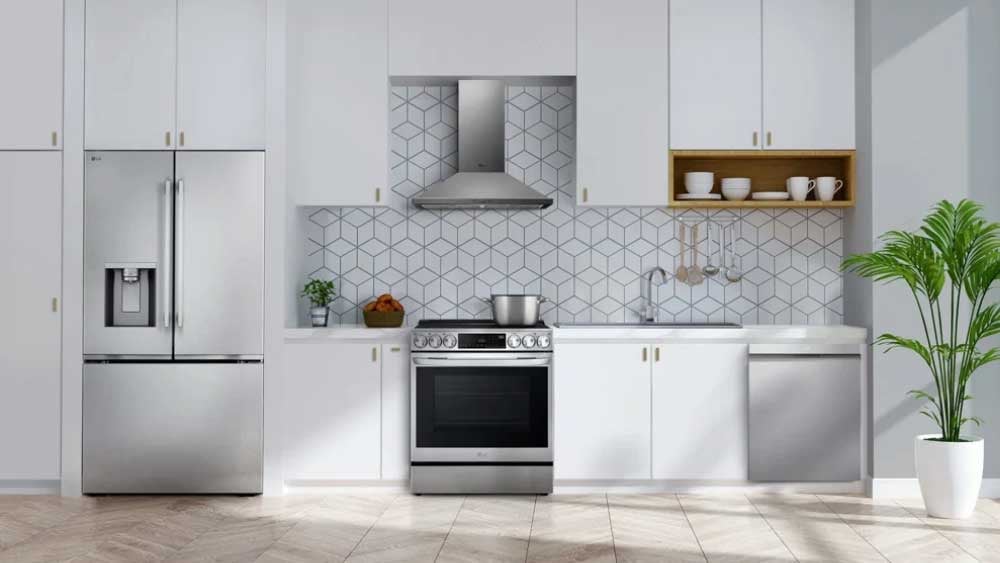
⚡ Quick Answer: Most buyers land around $3,000 to get counter-depth sizing, ice and water, and a more finished, built-in look without stepping into true built-in pricing.
Most buyers land around $3,000. That is where you get:
- Counter-depth sizing
- Ice and water
- Better interior layout
- A refrigerator that looks built-in without the built-in price
You can spend more. You do not have to.
🔍 Read more: Counter-Depth vs. Standard-Depth Refrigerators

How Much Should You Budget for a Dishwasher?
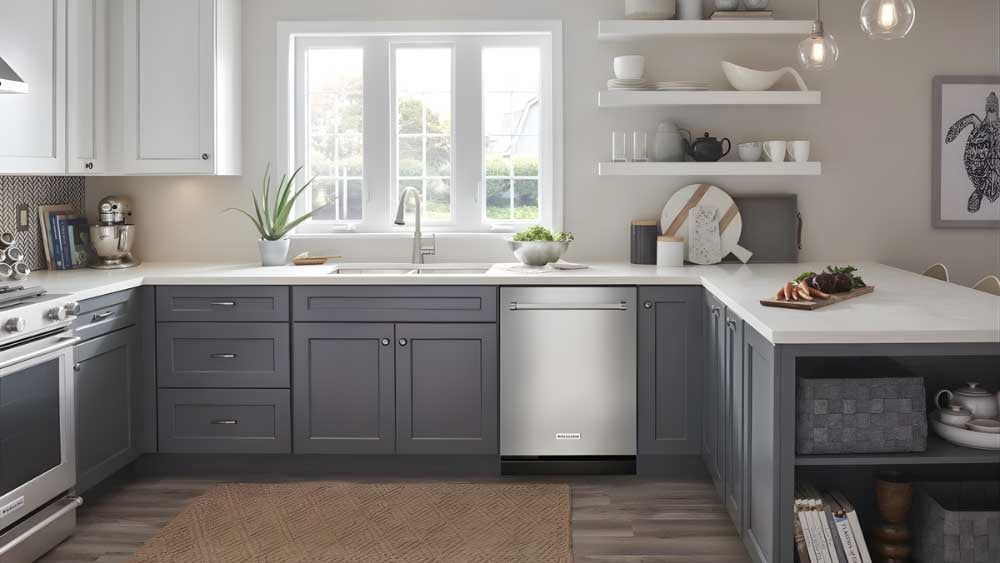
⚡ Quick Answer: Good dishwashers start around $750, but most buyers land closer to $1,000 for better drying, better racks, and stronger wash performance without paying for high-end extras.
Good dishwashers start around $750.
At that price, you get:
- Solid cleaning
- Basic drying
- Quiet operation
Brands like KitchenAid and GE do well here.
As you move closer to $1,000, you start getting meaningful upgrades:
- Better drying systems
- Better racking
- Improved wash action
- Steam generation on some models
This is where most people end up. At this level, you are probably looking at a Bosch 500 Series, a good LG, the KitchenAid M Series, or a Samsung WaterWall model.
At the higher end, models like the Bosch 800 Series run about $1,500, and you go up from there.
You are paying for:
- Advanced drying using zeolite minerals
- PowerControl wash, which lets you control spray intensity in the bottom rack
What Is the Sweet Spot for Most Dishwasher Buyers?
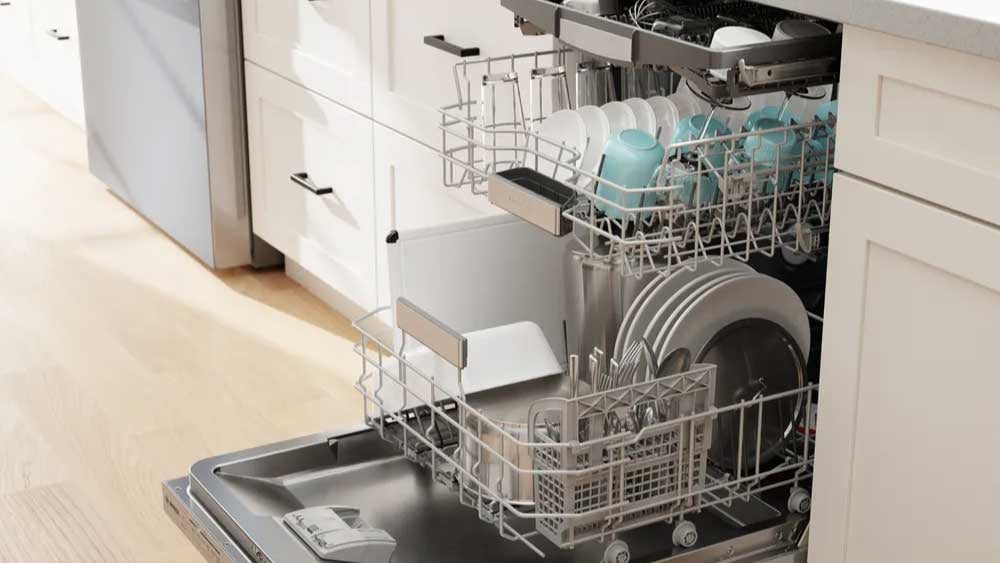
⚡ Quick Answer: Most buyers should plan on around $1,000 to get quiet performance, strong cleaning, adjustable racks, and solid drying.
Most buyers land around $1,000. That price gives you:
- Quiet performance
- Good cleaning
- Adjustable racking
- Decent drying
If you are thinking about quietness, you do not need to pay more for anything below 44 decibels. At 44 decibels, the dishwasher is effectively silent in the kitchen.
🔍 Read more: Quietest Dishwashers: Best Brands, Real Decibels & What to Skip

Does Microwave Placement Matter More Than Performance?
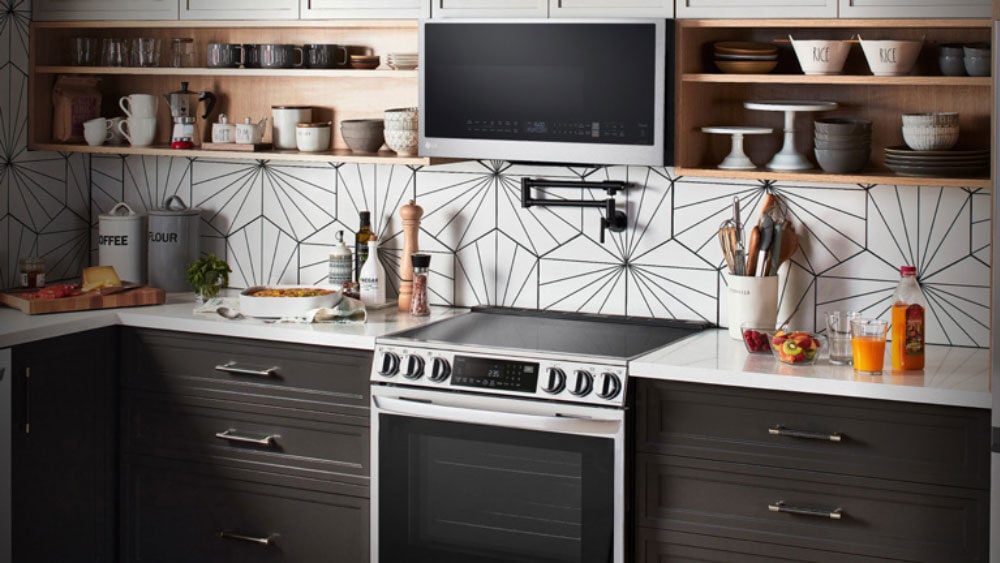
⚡ Quick Answer: Yes. Microwave technology is mature, so the biggest decision is where it goes in your kitchen and how that choice affects layout, ventilation, and overall design.
Microwaves have been around for over 50 years. They cook faster by targeting moisture in your food. The technology is mature.
The real decision today is where the microwave goes, especially once it is no longer over the range.
Countertop Microwave
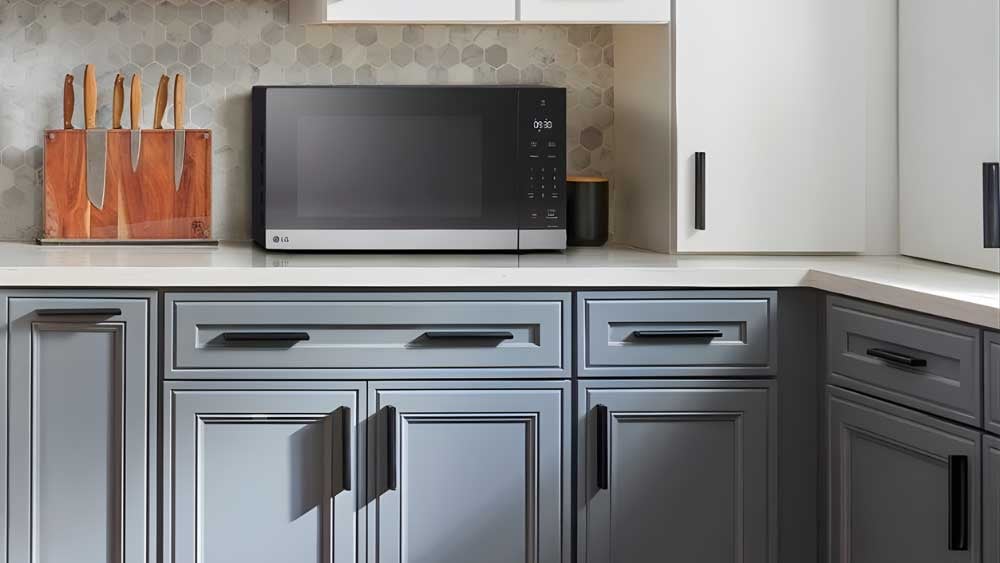
The least expensive option is a standard countertop microwave.
You can buy one almost anywhere for $100 to $200. They work fine. They just do not do anything for the look of your kitchen.
Under-Cabinet Microwave
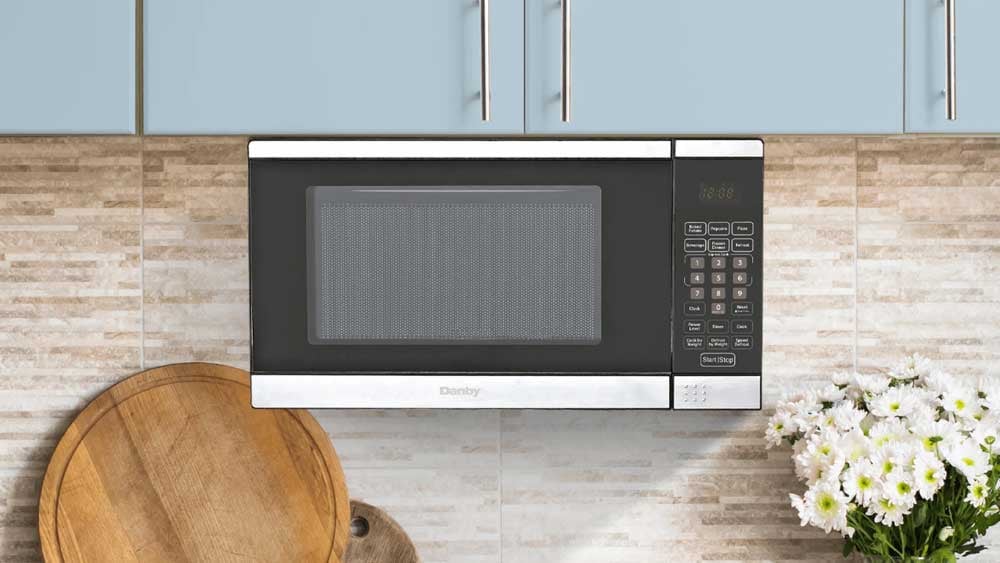
If you want the microwave off the counter without going to a drawer, there is a middle option.
GE makes a 12-inch-deep under-cabinet microwave. It typically costs around $400 and mounts below an upper cabinet.
Microwave Drawer
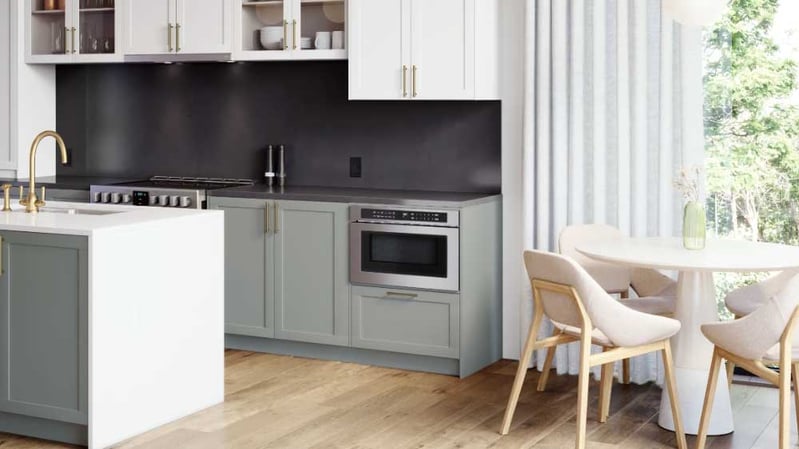
Microwave drawers are where most upgraded kitchens land. They install at waist height, usually in an island or base cabinet.
They open with the push of a button. They clean up the kitchen because the microwave is off the range.
They typically cost around $1,500.
That is about $1,500 more than an over-the-range microwave when paired with a real hood.
You are paying for:
- Better kitchen layout
- Easier access
- A more finished look
What Is the Trade-Off With a Microwave Drawer?
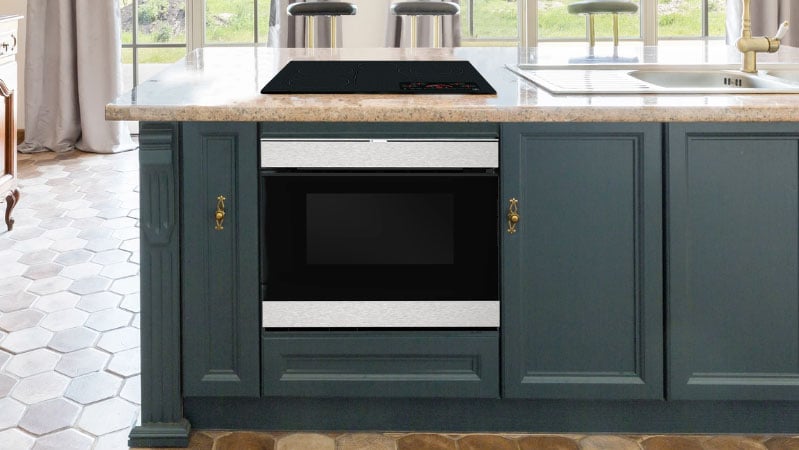
⚡ Quick Answer: A microwave drawer costs more, but paired with proper ventilation, it improves both air quality and the look of the kitchen at the same time.
A microwave drawer costs more. There is no way around that.
But when paired with proper ventilation, it gives you cleaner air and a better-looking kitchen at the same time.
🔍 Read more: The Best Microwave Drawers
⏰ How Can Timing and Rebates Help You Spend Less?
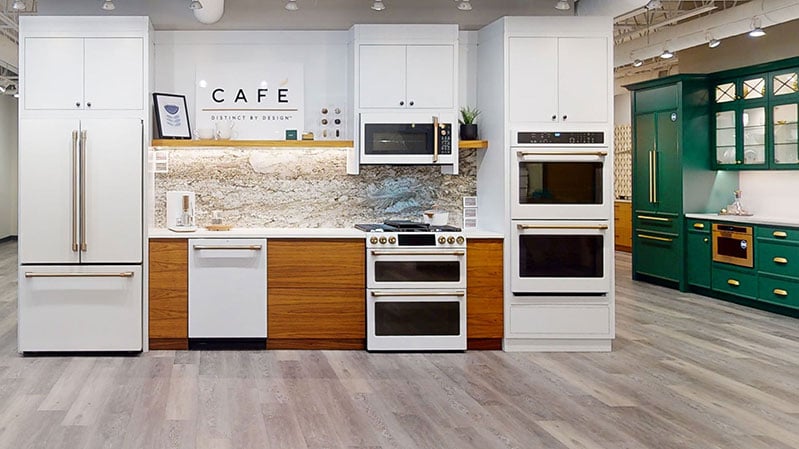 Appliance pricing is predictable. The key is timing.
Manufacturers run the same promotions every year. If you buy during these windows, you save.
Typical promotion periods include:
- Presidents’ Day
- Memorial Day through July 4
- Massachusetts Tax-Free Weekend, especially when it overlaps with Labor Day
- Late October through November
Rebates matter too.
The more appliances you buy from the same brand, the larger the rebate. These rebates come from the manufacturer, not the store.
Bundle smart. Time it right. That is how you save money off the final number.

💰 What Is the Final Cost Reality Check for a Stylish Kitchen?
For most homes:
- $9,000–$10,000 gets you solid performance and a clean, high-end look.
- $12,000–$15,000 adds design finishes and premium features.
You do not need $30,000 in appliances to build a kitchen you will love.
You just need to spend in the right places for how you use your kitchen.
📅 How Do You Get a Personalized Appliance Budget?
If you want to talk to someone who can help you budget through the entire process, schedule a personalized appointment.
We’ll walk through your space, your priorities, and your numbers so there are no surprises later.
I promise it will be the most productive time you spend remodeling or renovating your kitchen.
👉 Schedule a personalized appointment here.
Additional Resources
Have questions on premium appliances? Get the Yale Appliance Buying Guide and settle sizing, fit, ventilation and installation before anything is ordered. Over 1 million people have read a Yale guide.
Related Articles

Why Should You Trust Us?
It seems that every appliance review has nothing but glowing comments about almost every product, yet you read customer reviews and they are almost universally bad.
We are here to fill in the disconnect. We'll give you the best features, and the drawbacks as well, including reliability based on over 33,000 calls performed by our service team just last year. Our goal is to give you ALL the information so you know what's right for you.
Please consider subscribing or adding to the conversation in the comments below. We appreciate you stopping by.