

.jpg)
The Short Version
- Budget more than stainless, not less. Panels cost more than the roughly $1,000 finish premium, plus install.
- Vet the installer before the appliance. The look is only as good as the person mounting the panels, and most can't do it cleanly.
- Plan for the replacement, not just the purchase. In 15 to 25 years the model changes and your panels may not fit, so buy from someone who will still be there to solve it.
It was the week of July 4th. One hundred degrees in Boston, the kind of heat that hunts down every weak point in a house.
My mother called. The freezer in her Sub-Zero had quit.
This refrigerator is 24 years old.
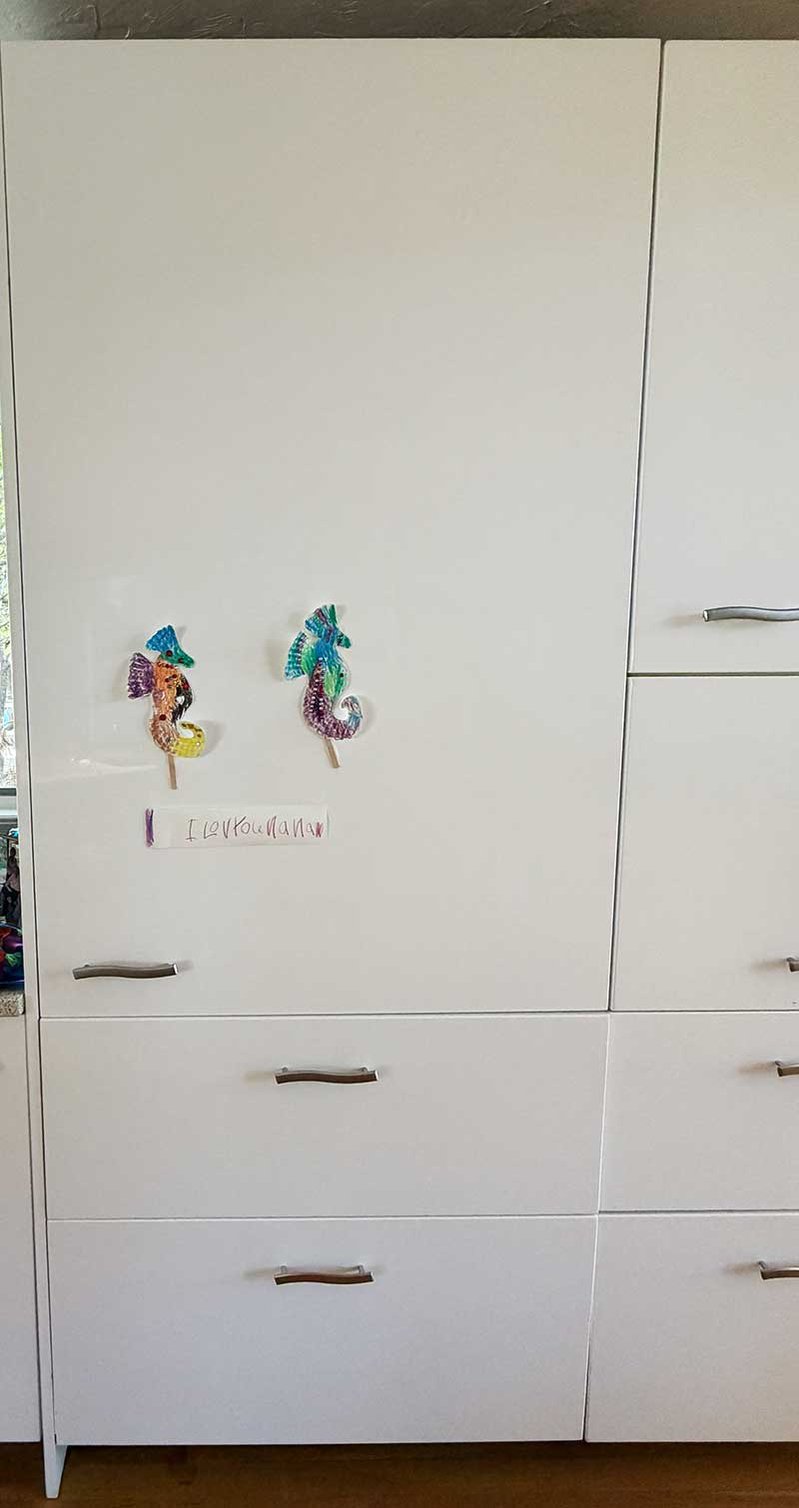
Sub-Zero still makes the parts for it. A unit built in 2001, and the components to repair it are on a shelf, ready to ship.
That's the good news.
The bad news is everything wrapped around the part: diagnosis, labor, and the decision every owner of an aging built-in appliance eventually has to make.
Then comes the part nobody warns you about.
In this article, you'll learn every problem of the paneled kitchen that nobody tells you about at purchase, right up until the moment it becomes yours to solve.
Let's get started.
📌 Skip Ahead
What Are the Advantages of a Panel-Ready Kitchen?
⚡ Quick Answer: A paneled kitchen hides your appliances behind cabinet fronts for one seamless look, ends the chore of matching hardware, and ages as a single design alongside your cabinets.
First, the advantages. Look at my own kitchen. I paneled almost every appliance, and I did it on purpose, because it looks great.
A paneled kitchen looks better with good cabinets. Everything reads as one seamless surface.
No refrigerator announcing itself in a wall of stainless. No dihwasher breaking the line of the cabinetry.
The appliances disappear, and the room becomes the cabinets and the counters, which is what you paid the designer for.
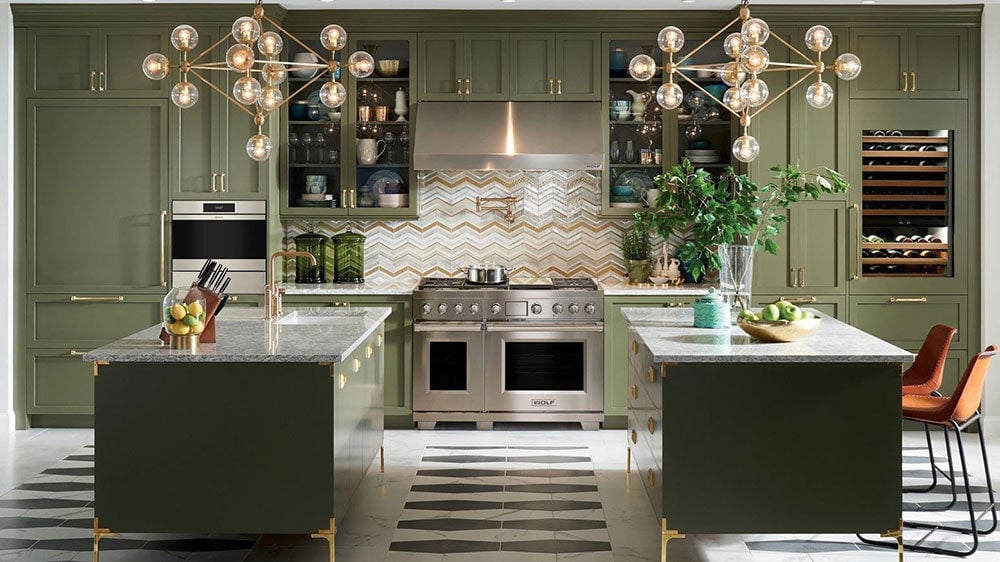
You also stop matching hardware. Stainless makes you match handles across every appliance, then match those handles to your cabinet pulls.
Panels end that. Your appliances wear the same fronts as everything else in the room.
Stainless runs a little cold, and you'll have some of it regardless, because you can't panel an oven.
That's the real limit of the look, and it works in the paneled kitchen's favor: the stainless you can't avoid on the ovens becomes an accent instead of the whole theme.
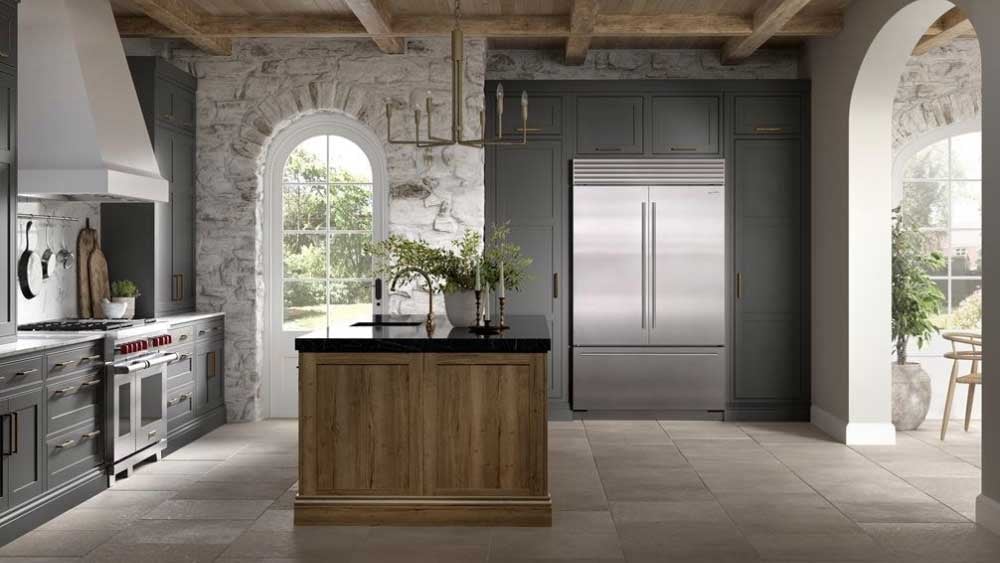
Stainless is also a timeless look. It has been the kitchen standard since the early 1990s, and it matches every cabinet style, where other finishes come and go.
The difference is that a paneled kitchen ties the appliances to the cabinets, so they age as one design instead of two.
Panel-Ready Appliances: Pros and Cons at a Glance
| Pros | Cons |
| Seamless, integrated look | Costs more than stainless; panels exceed the ~$1,000 premium |
| No hardware to match | Hard to install; most installers can't do it cleanly |
| Ages as one kitchen with the cabinets | Discontinued models and changed dimensions break the match |
| Appliances disappear into the room | New panels rarely match cabinets aged 15 to 25 years |
The Hidden Costs of Panel-Ready Appliances
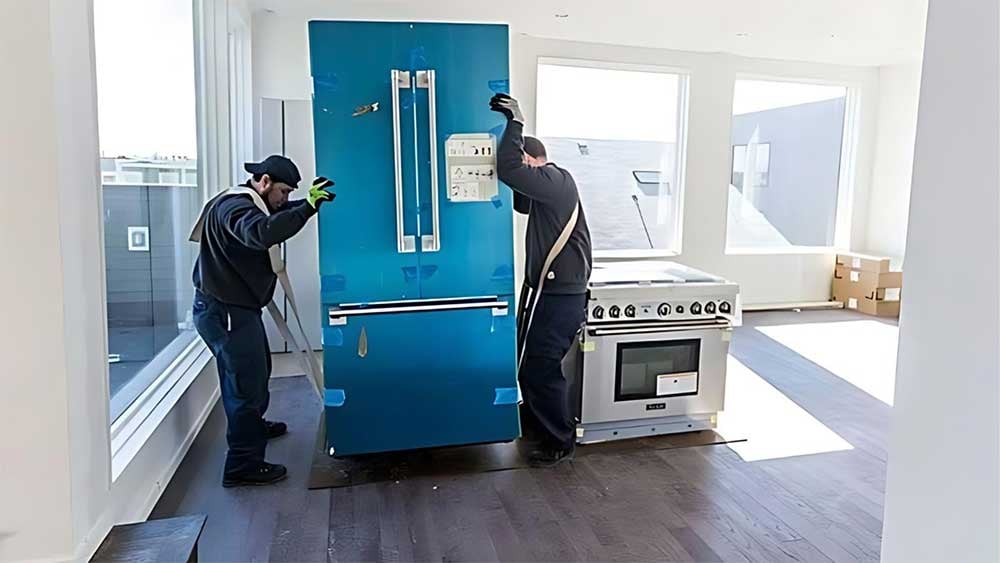
The purchase price is the part everyone sees coming. The costs below are the ones that show up later, at the loading dock and again years down the road.
If you want the fuller case against the integrated look before you commit, we've also laid out the trade-offs in why you should think twice before buying an integrated refrigerator.
Panel-Ready vs Stainless: Which Costs More?
⚡ Quick Answer: Panel-ready usually costs more. A stainless finish adds about $1,000, but the panels themselves cost more than that, so the paneled version ends up pricier, not cheaper.
You'd assume a stainless refrigerator costs more than an unfinished one, and it does, by about $1,000.
But the panels themselves cost far more than $1,000 on most appliances, so the paneled version ends up more expensive than the stainless version, not less.
Between the panels, new hardware, and installation, paneling a refrigerator can add up to about $4,000. It's not a budget killer, but it's a cost worth being mindful of.
How Much Does It Cost to Install Panels on a Refrigerator?
⚡ Quick Answer: The regional going rate to panelize a refrigerator runs about $599. Yale Appliance does it for $99.
This is the one you wouldn't think of.
Installing panels on a refrigerator is harder than installing a dual-fuel professional range. A range gets set, leveled, and connected.
Panels have to be built onto the appliance and made to sit perfectly flush with your cabinets. Every panel has to be cut precisely.
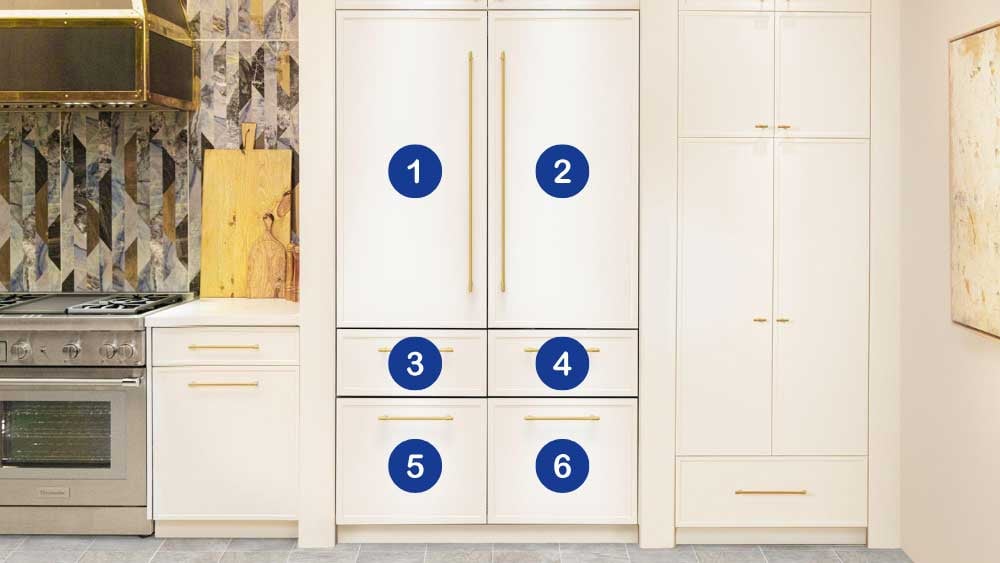
The floor has to be level. The cabinet opening has to be cut correctly.
Then a skilled tradesperson has to mount the panels and the hardware without a gap, a sag, or a seam that gives the whole thing away.
The finished look is only as good as the person installing it, and most installers can't do it.
Here's what that costs. The regional going rate to panelize a refrigerator runs about $599 (installation costs vary by appliance type). We charge $99.
We didn't set that price to be generous. We set it because we got tired of contractors who couldn't do the work correctly and called us to fix it.
Eventually we just did it ourselves.
We run 18 installation teams, most of them in greater Boston, reaching from Worcester to the Cape and into Rhode Island and southern New Hampshire.
Their number one job is putting panels on refrigerators. It isn't delivering refrigerators, and it isn't connecting them. It's panelizing them, full time.
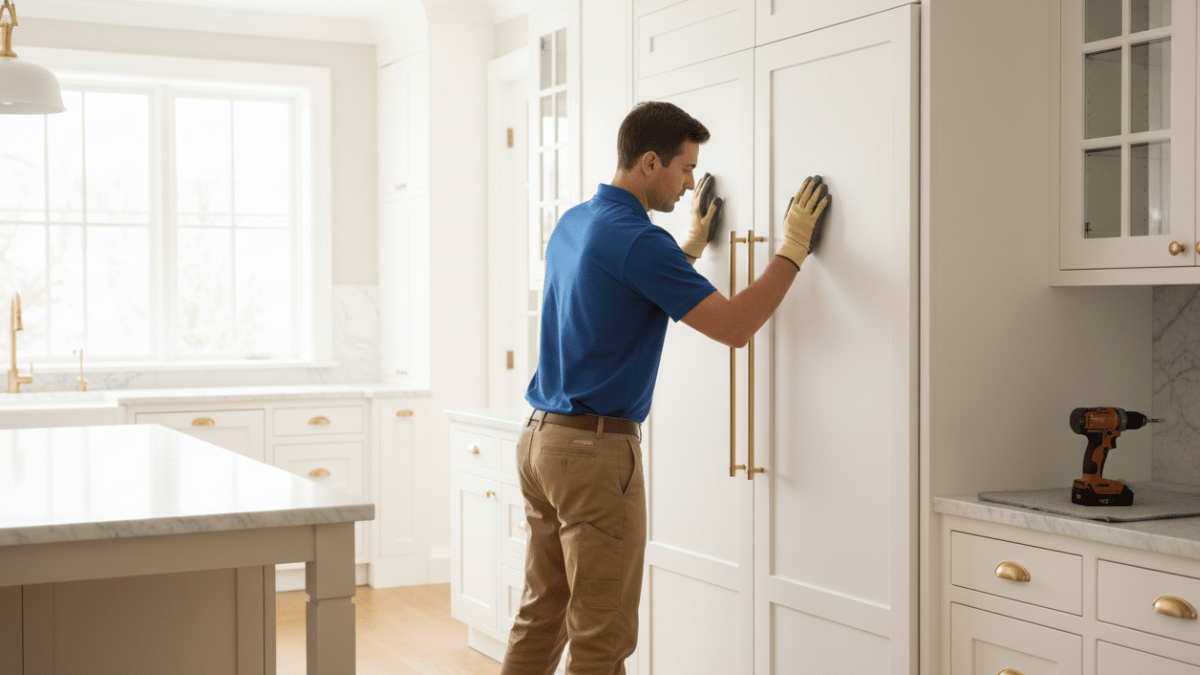
Installation is the hidden hard cost of a paneled refrigerator, and it's the one that decides whether the kitchen looks custom or looks off.
What Happens When You Replace a Panel-Ready Refrigerator?
⚡ Quick Answer: The replacement rarely comes back in the same dimensions, so your original panels may not fit, and new panels seldom match cabinets that have aged 15 to 25 years.
Here's the one that started this article.
My mom has the old 736TC, one of Sub-Zero's first integrated refrigerator-freezers, installed in 2001.
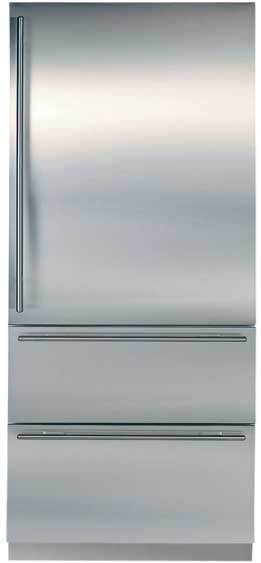
Products change. The current model that replaces it stands 84 inches tall. Hers is 80. Four inches taller, which means her panels don't fit the new unit.
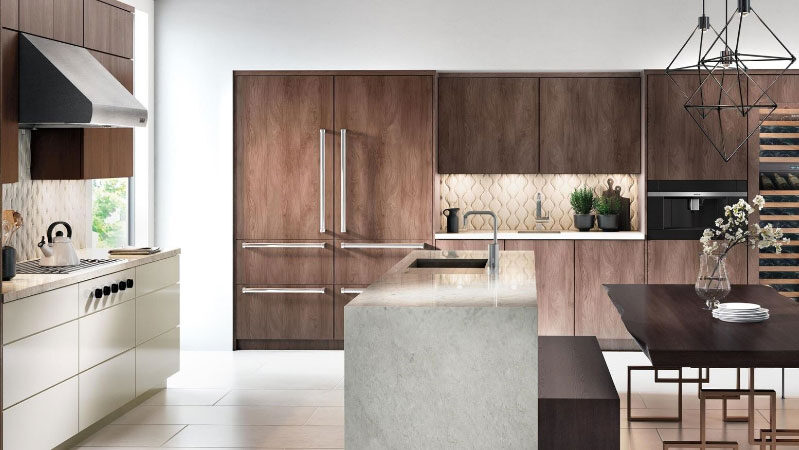
So now what?
You hope the original cabinet shop still makes those panels. Maybe they do. And if they do, what does it cost?
In a 25-year-old kitchen, the odds that your cabinet company kept those panels lying around are close to zero.
If they have to do a special run to match cabinets they built a quarter-century ago, the price is whatever they decide it is. You're not negotiating. You're asking a favor.
That's the real issue with a paneled kitchen: not what it costs to buy, but what it costs to replace 15 or 25 years later, when the appliance is gone and the kitchen is still standing.
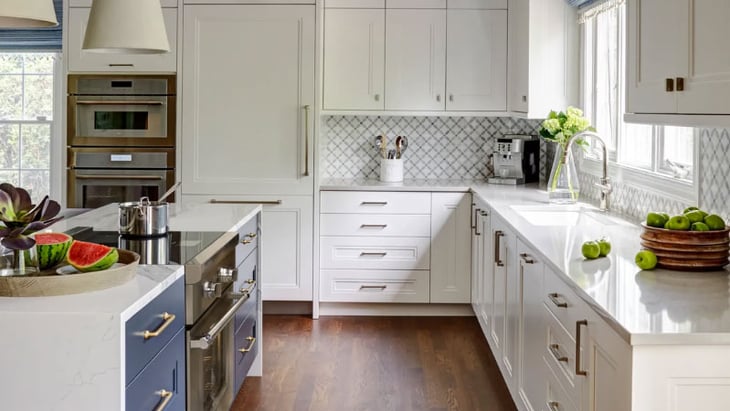
You're left with three choices, and none of them is the kitchen you designed.
- Buy it in stainless. The integrated look you paid for is over. One appliance now breaks the line the whole kitchen was built around. (If you're weighing this trade-off before you buy, our counter-depth vs. integrated refrigerator comparison breaks down capacity, cost, and install differences.)
- Try to color-match a new panel to 25-year-old cabinets. Wood ages. Finishes shift. A fresh panel next to two decades of patina rarely matches, and the eye goes straight to the one that's off.
- Put a contrasting panel on and call it intentional. Sometimes this is the best answer of the three. It's also an admission that the seamless kitchen became a two-tone kitchen.
This is a beautiful kitchen today. Fifteen to twenty-five years from now, it probably won't look the same, and that's the cost nobody quotes you at purchase.
Do Panel-Ready Dishwashers Have the Same Problem?
⚡ Quick Answer: Less of one. Smaller appliances barely change dimensions between models, and their panels are small enough that a slight mismatch hides. The bigger the appliance, the bigger the problem.
Refrigerators are the hardest case because they take up so much of the visual, unlike other panelized appliances.
Swap out a panel-ready dishwasher, a beverage cooler, or a set of refrigerator drawers, and two things work in your favor.
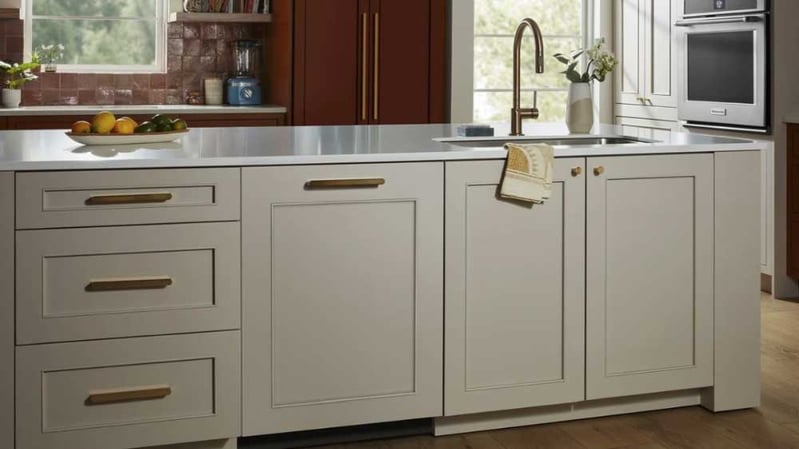
The panel is easier to match. These appliances barely change dimensions between models.
A dishwasher is built to the same 24-inch opening it always was, so a replacement usually drops into the same space and takes a panel of about the same size. Your odds of a clean fit are much better than with a refrigerator.
The panel is smaller, so a slight mismatch hides. A dishwasher or beverage-cooler panel is a small rectangle low in the room.
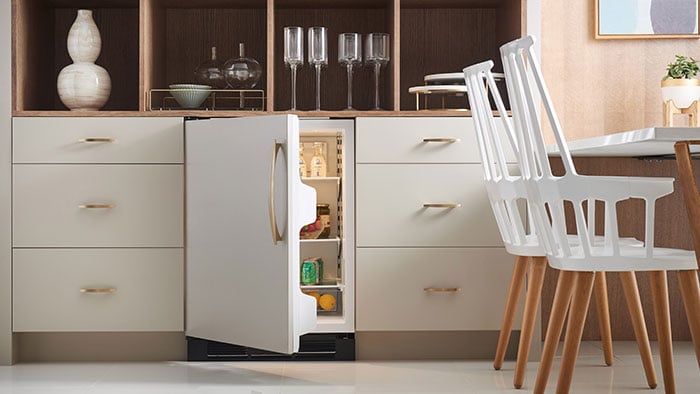
Even if new wood doesn't perfectly match aged cabinets, most people never notice. A full-height refrigerator standing at eye level gives you nowhere to hide.
The bigger the paneled appliance, the bigger the problem when it goes: refrigerators first, then dishwashers, beverage coolers, and drawers.

What Yale Appliance Can Do, and the One Thing We Can't
Take my mother's situation. We can repair it. Sub-Zero still makes the parts.
We keep that 24-year-old unit running as long as it will run, so she keeps the kitchen she loves for as long as she's able to use it.

For an aging refrigerator in a paneled kitchen, repair is often the smartest first move, not the fallback.
We can move her to stainless. If repair stops making sense, a stainless replacement goes in, and we match the handles to her Wolf dual-fuel range so the kitchen still reads as one design.
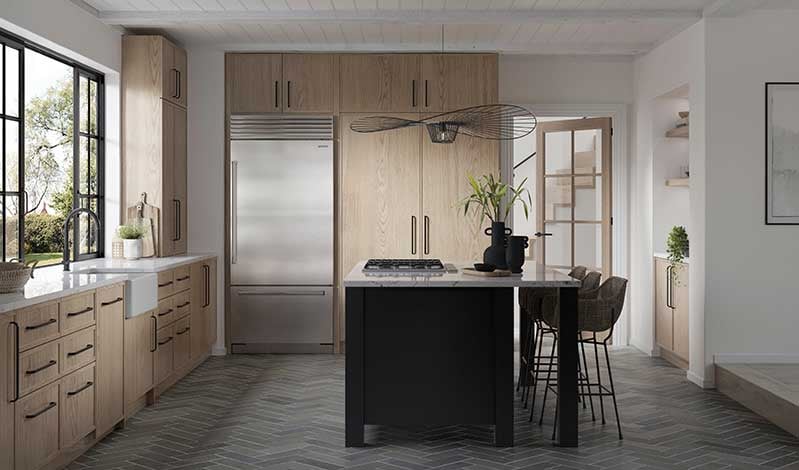
It's not the seamless look she started with. It's a considered look, not a compromise you can see from the doorway.
The one thing we cannot do is manufacture panels from 25 years ago. I'm going to call the cabinet company and ask the owner to hunt for the originals.
Maybe he still has them. Maybe he can do a run. But if he makes new ones, will they match cabinets that have aged 25 years in her kitchen? I don't know. Nobody does until they're hung.
That's the real limit. We can service almost anything we sell. We can't age new wood to match old wood.
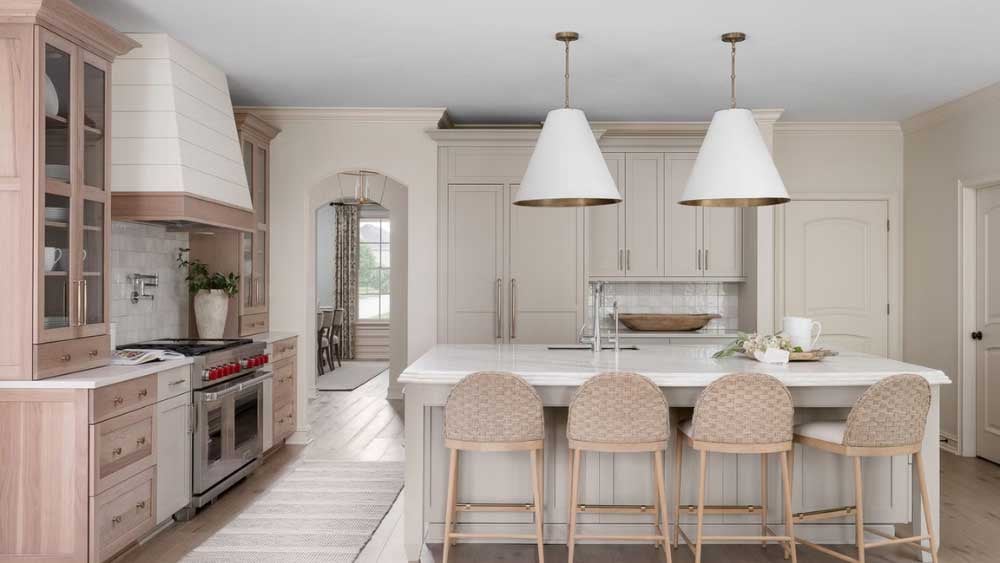
Does this turn into a full kitchen remodel? I hope not, and usually it doesn't. But you should walk in knowing the pattern. A paneled kitchen is a beautiful look.
The day the appliances start going (the dishwasher, the refrigerator, the refrigerator drawers) is the day the kitchen starts drifting from the design you planned.
I told you all of this, and I still paneled my own kitchen. Do it, knowing it will probably look different from year 15 to year 25.
📅 Want Real Numbers, Not Surprises?
Book a showroom appointment and sit down with someone who does this every day. We'll walk you through installation, delivery, code, and service line by line, before you spend a dime.
👉 Avoid: $5,000–$10,000 in hidden fees
👉 Get: One expert. One appointment. No pressure.
👉 Schedule Your Showroom Visit
📥 Bonus: Download our Free Appliance Buying Guide
Includes:
- Budget checklists by appliance type
- Massachusetts ventilation code tips
- Service data from 33,000+ repair calls
Related Articles

Why Should You Trust Us?
It seems that every appliance review has nothing but glowing comments about almost every product, yet you read customer reviews and they are almost universally bad.
We are here to fill in the disconnect. We'll give you the best features, and the drawbacks as well, including reliability based on over 33,000 calls performed by our service team just last year. Our goal is to give you ALL the information so you know what's right for you.
Please consider subscribing or adding to the conversation in the comments below. We appreciate you stopping by.