Private Equity Is Buying Appliance Stores: What It Means for You
The Short Version
Private equity is buying appliance stores, but more stores don't get better prices from manufacturers, and appliances can't be run remotely. The problem isn't who owns the stores. It's whether the new owner can create a better shopping experience for you. If your store has been sold, read the reviews since the takeover, ask who actually delivers and installs, and ask who handles warranty service.
Private equity is buying appliance stores.
I'm the perfect target for them, and I've been approached because I'm 62 and my daughter's 10. Will I sell to private equity? I'll let you know at the end.
Can they crack a code in an unfamiliar, labor-intensive business? And what does that mean for you and how you buy appliances?
Private equity is buying appliance stores, and I'm the perfect target for them. I've been approached because I'm 62 and my daughter's 10. Will I sell to private equity? I'll let you know at the end. But can they crack a code in an unfamiliar labor intensive business? And what does that mean for you and how you buy appliances? As many have commented, private equity is about slashing costs, especially for short term profitability. Now nothing would make me happier than cutting the service department in Yale and saving roughly 2,000,000 a year, but it costs way more in revenue, brand reputation, and credibility. Plus, you'd hate me. We had 33,190 service calls last year. That's worth way more than 2,000,000 because we can fix it. Most dealers can't, and neither can the box stores. But cut service or install or delivery, and here's what happens. Your refrigerator doesn't make it up the stairs. Your range is installed incorrectly, and you wait through three appointments to fix it. And appliances that could have easily been repaired end up being returned. If a firm cuts any of these, it'll fail spectacularly because that's the reason to buy these stores in the first place. Now before we get to the opportunities for private equity to succeed, let's start with the challenges. You think buying a chain of stores will get better prices from the manufacturers? They don't. Manufacturers heavily influence the prices you see advertised anyway, and independents already buy through two giant buying groups, Nationwide and AVB. Each one buys for thousands of stores. So buying 50 stores can't beat that, even 100 won't. You've centralized accounting, but you can't centralize refrigerated delivery from Pittsburgh to Florida. Every one of these stores need trucks, delivery crews, installers, and service technicians. Every one of these 33,190 service calls needed a local technician. Buy a store in Pittsburgh and one in Colorado, that's two warehouses, two sets of overhead. They're efficiencies, but a lot of the expense stays local. Appliances cannot be run remotely. So why are these massive private equity groups looking to buy your store? Here are three reasons. The appliance business has what private equity really craves, a huge market. Lowe's Home Depot and Best Buy still sell mostly major appliances in The US, but for luxury and better appliances, the independent store is still the best place to buy. You need what a good independent does: consultative selling, good delivery and install, someone who answers the phone and is accountable if something goes wrong. Box drawers are great for washers, dryers, dishwashers, and basic ranges, but they don't give you that level of service. No offense. Many like me have no succession plan. Take me for example. Family business typically goes to the next generation. My daughter's 10. It would take her twenty to thirty years to get her up to speed. That's not a traditional family succession plan. And private equity has the money to supercharge a local store and make it more responsive and more competitive. Fully run independent can get much better after sale, better inventory, better systems, more reliable delivery. Private equities also bring skills, capital, and money to fix problems and build system. That's the real value. Now, it's not impossible. It's harder than most industries. One executive team from all the stores can manage strategy, marketing, and cost control while keeping the experienced people you like in each store. For this to work at scale, and for you, they have to start in one region, pick one or two stores in that region, then they can share the expenses regionally. Buying stores in Pittsburgh, Colorado, Washington is not a good solution. It can be done, but it won't be easy, quick, or painless. These are smart people, but they're not miracle workers. The problem isn't who owns these stores. It's whether the new owner can create a better shopping experience for you. Check three things. If a store has been taken over by private equity or anybody else, read reviews since they took over. Reviews from the old management don't count. Make sure it still offers the same services. Your favorite salesperson is still working there. Then ask who still delivers an install? A company can advertise installation without employing a single installer. Lastly, ask who handles warranty service when thing goes wrong. Outsourcing service and install is a recipe for your future aggravation. So will I sell Yale to private equity? We've built a management team that can run Yale without me. That's been the plan for the next ten years. But if somebody makes a reasonable offer, I'll listen. My first two questions would be about the employees who've been here for decades and how they plan to make Yelp better. And if they don't have good answers, it's not for sale. If they do, we can talk. If you wanna see which luxury brands are in decline without private equity, click this video. If this video gives you some hope that I will sell to private equity or anybody else. Hit the like and subscribe button as it really does help the channel.
What Would You Lose If Private Equity Cut Service?
As many of you have pointed out, private equity is about slashing costs, especially for short-term profitability.
Nothing would make me happier than cutting the service department at Yale and saving roughly $2 million a year. But it would cost way more in revenue, brand reputation, and credibility. Plus, you'd hate me.
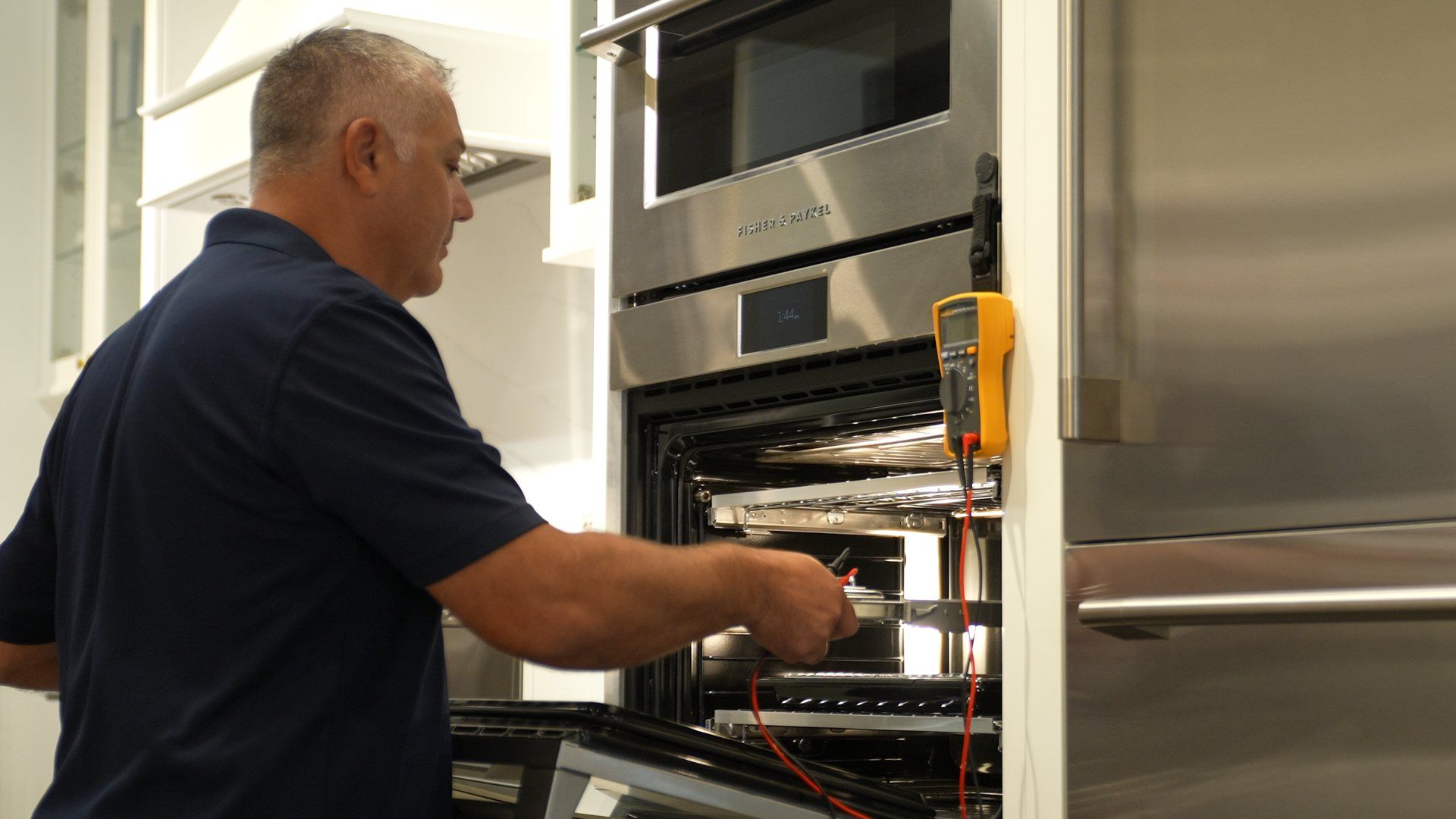
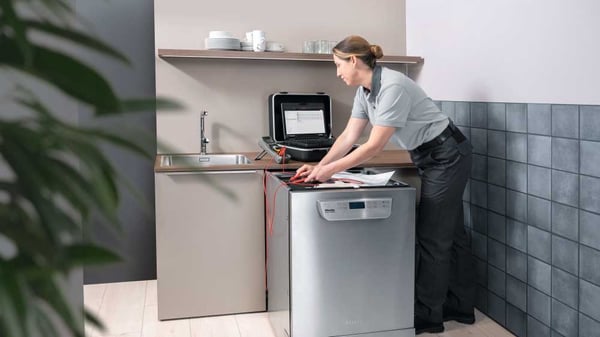
We had 33,190 service calls last year. That's worth way more than $2 million, because we can fix it and most dealers can't. And neither can the box stores!
Cut service, installation, or delivery, and here's what happens.
- Your refrigerator doesn't make it up the stairs.
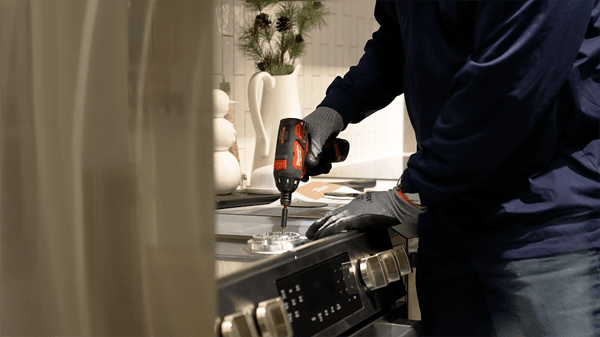
- Your range is installed incorrectly, and you wait through three appointments to fix it.
- And appliances that could have been repaired end up being returned.
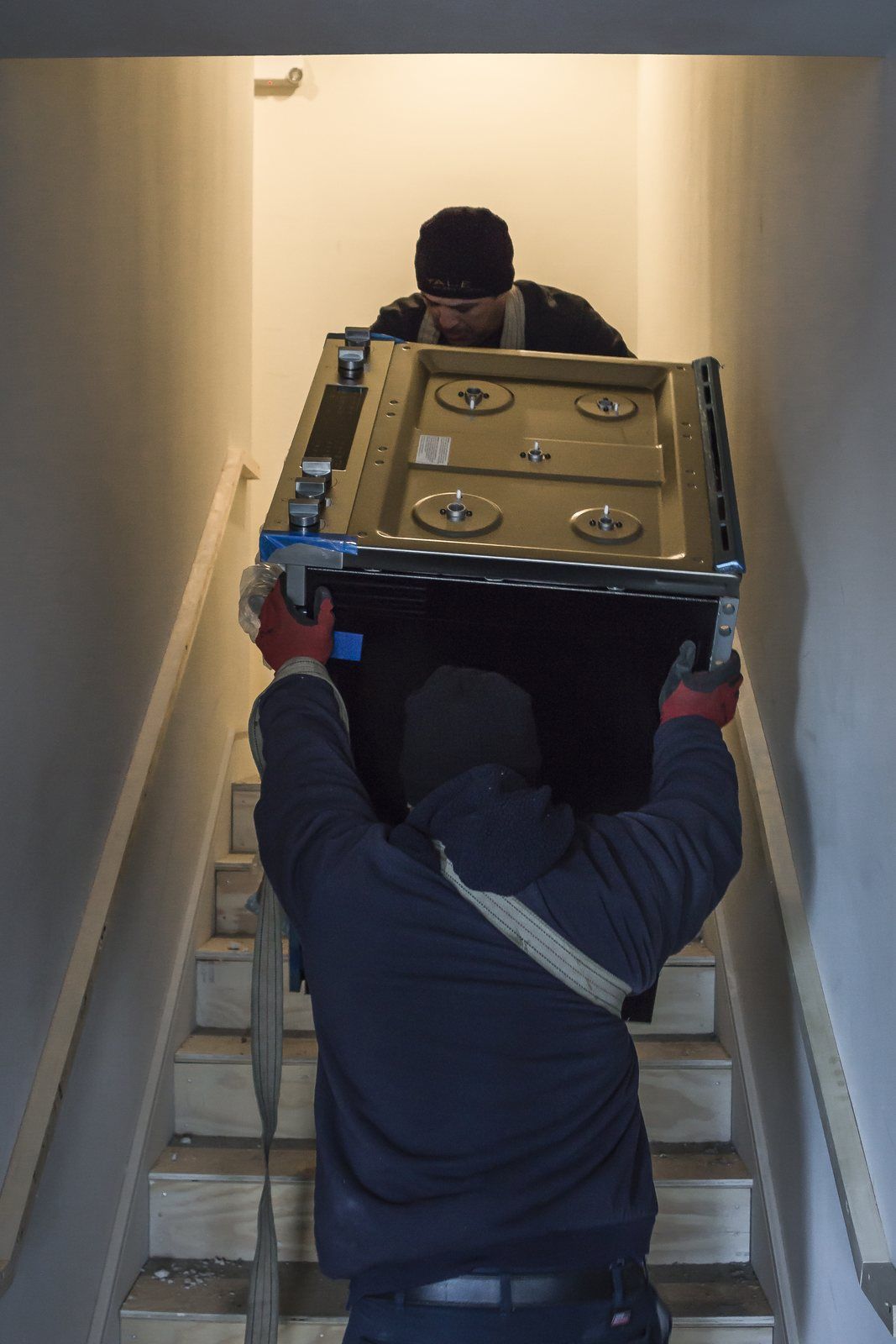
If a firm cuts these, it'll fail spectacularly. But that's the reason to buy these stores in the first place.
Does Owning More Stores Get Better Prices From Manufacturers?
Now before we get to the opportunities for private equity to succeed, let's start with the challenges.
You think buying a chain of stores would get better prices from the manufacturers? They don't. Manufacturers heavily influence the prices you see advertised anyway.
Independents already buy through two giant buying groups, Nationwide and AVB. Each one buys for thousands of stores. So buying 50 stores can't beat that. Even 100 won't.

Can an Appliance Store Be Run Remotely?
You can centralize accounting. But you can't centralize a refrigerator delivery from Pittsburgh to Florida.
Every one of these stores still needs trucks, delivery crews, installers, and service technicians. Every one of those 33,190 service calls needed a local technician.
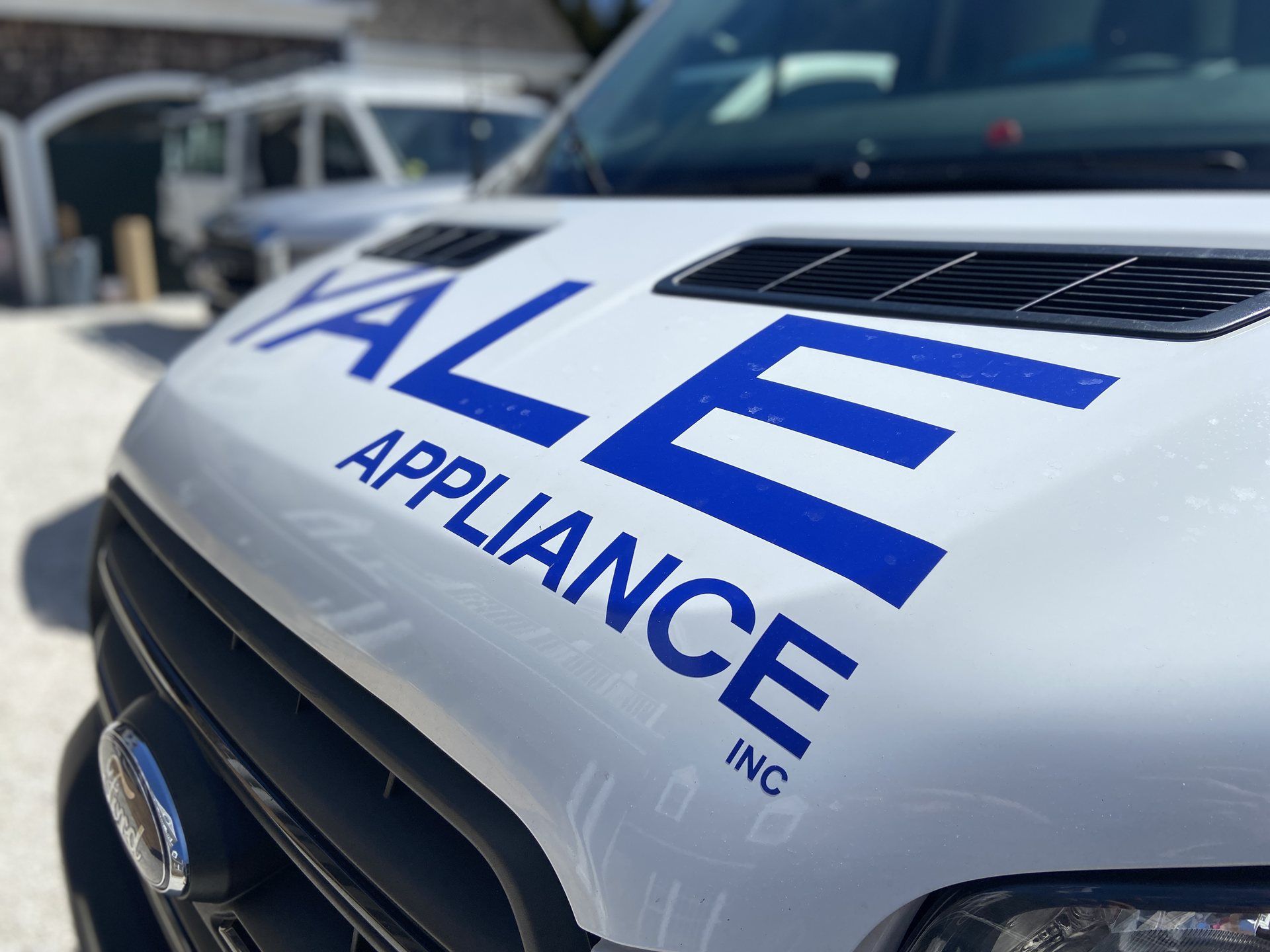
Buy a store in Pittsburgh and one in Colorado. That's two warehouses and two sets of overhead. There are efficiencies, but a lot of the expense stays local. Appliances cannot be run remotely.
So why are these massive private equity groups looking to buy your store? Here are three reasons.
Why Is Private Equity Buying Appliance Stores?
One. The appliance business has what private equity wants: a huge market. Lowe's, Home Depot, and Best Buy still sell most of the major appliances in the U.S.
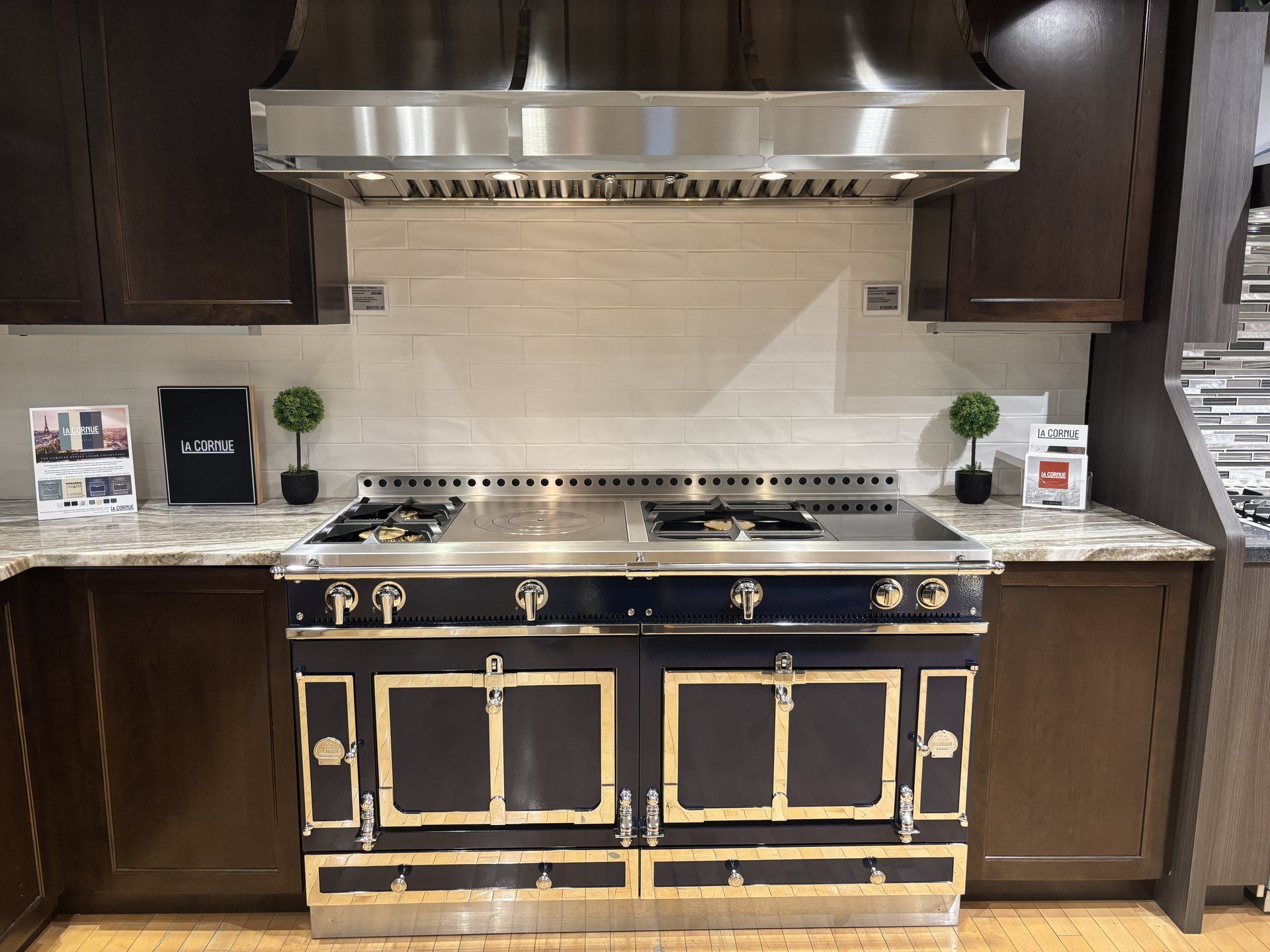
But for luxury and better appliances, the independent store is still the best place to buy. You need what a good independent does: consultative selling, good delivery and install, and someone who answers the phone and is accountable if something goes wrong. Box stores are great for washers, dryers, dishwashers, and basic ranges. But they don't give you that level of service. No offense.
Two. Many, like me, have no succession plan. Take me, for example. A family business goes to the next generation, typically. My daughter's 10. It would take her 20 to 30 years to get up to speed. That's not a traditional family succession plan.

What Does Private Equity Bring to an Appliance Store?
Three. Private equity has the money to supercharge a local store and make it more responsive and more competitive. A poorly run independent can get much better after a sale: better inventory, better systems, more reliable delivery. Private equity also brings skills, capital, and money to fix problems and build systems. That's their real value.
How Can Private Equity Make Appliance Stores Work?
It's not impossible. It's harder than most industries.
One executive team for all the stores can manage strategy, marketing, and cost control, while keeping the experienced people you like in each store.
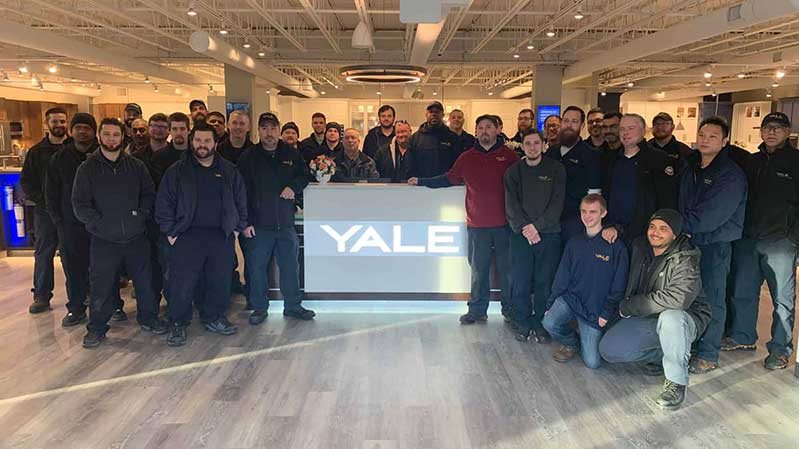
For this to work at scale, and for you, they have to start in one region. Pick one or two stores in a region. Then they can share the expenses regionally.
Buying stores in Pittsburgh, Colorado, and Washington is not a good solution. It can be done, but it won't be easy, quick, or painless. These are smart people, but they're not miracle workers.
What Should You Check If Your Appliance Store Is Sold?
The problem isn't who owns the stores. It's whether the new owner can create a better shopping experience for you.
Check three things if a store's been taken over by private equity or anybody else.
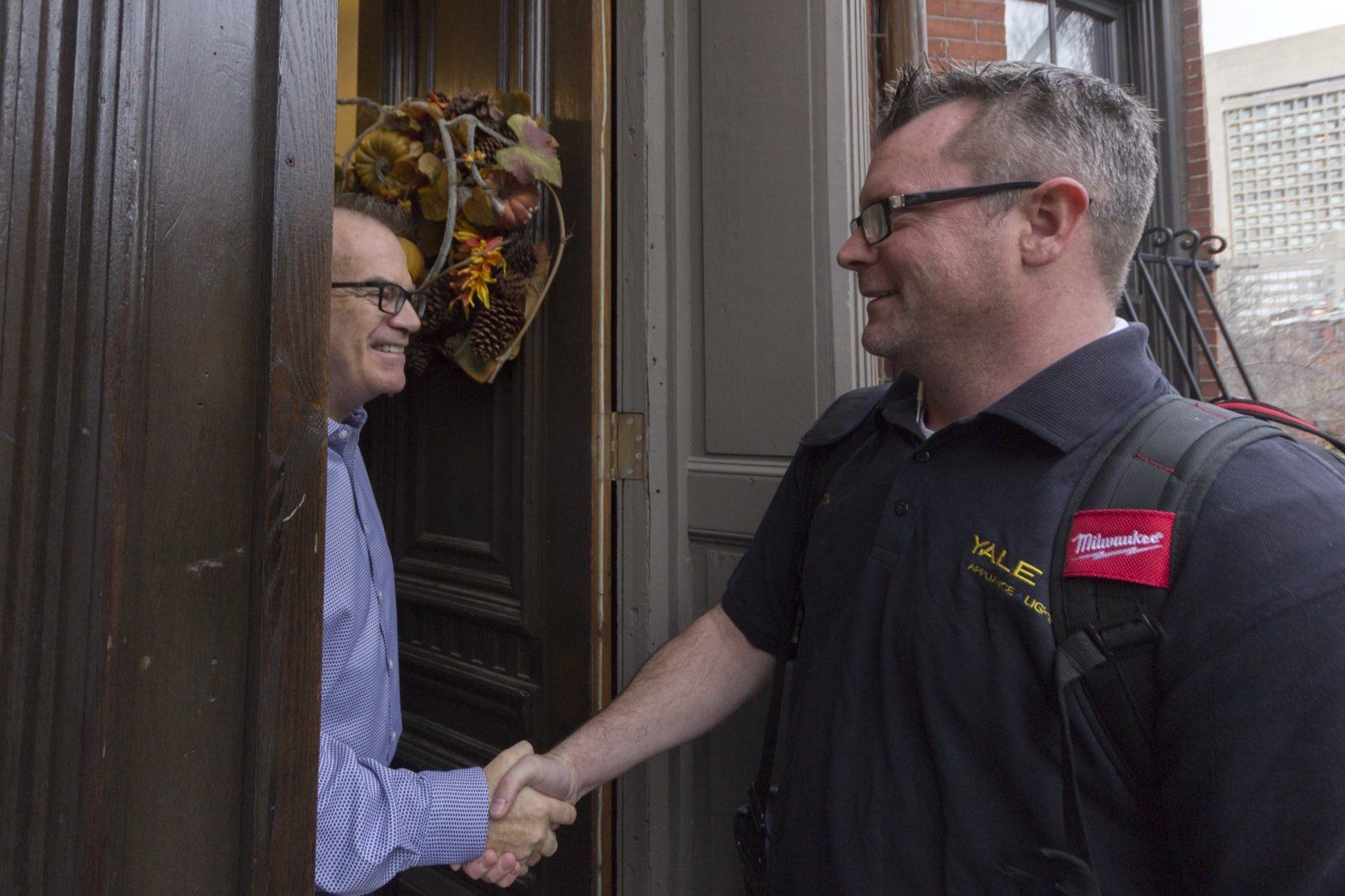
- Read the reviews since they took over. Reviews from the old management don't count.
- Make sure it still offers the same services, and that your favorite salesperson is still working there. Then ask who actually delivers and installs. A company can advertise installation without employing a single installer.
- Ask who handles warranty service when something goes wrong. Outsourcing service and install is a recipe for your future aggravation.
Will I Sell Yale Appliance to Private Equity?
So, will I sell Yale to private equity?
We've built a management team that can run Yale without me. That's been the plan.
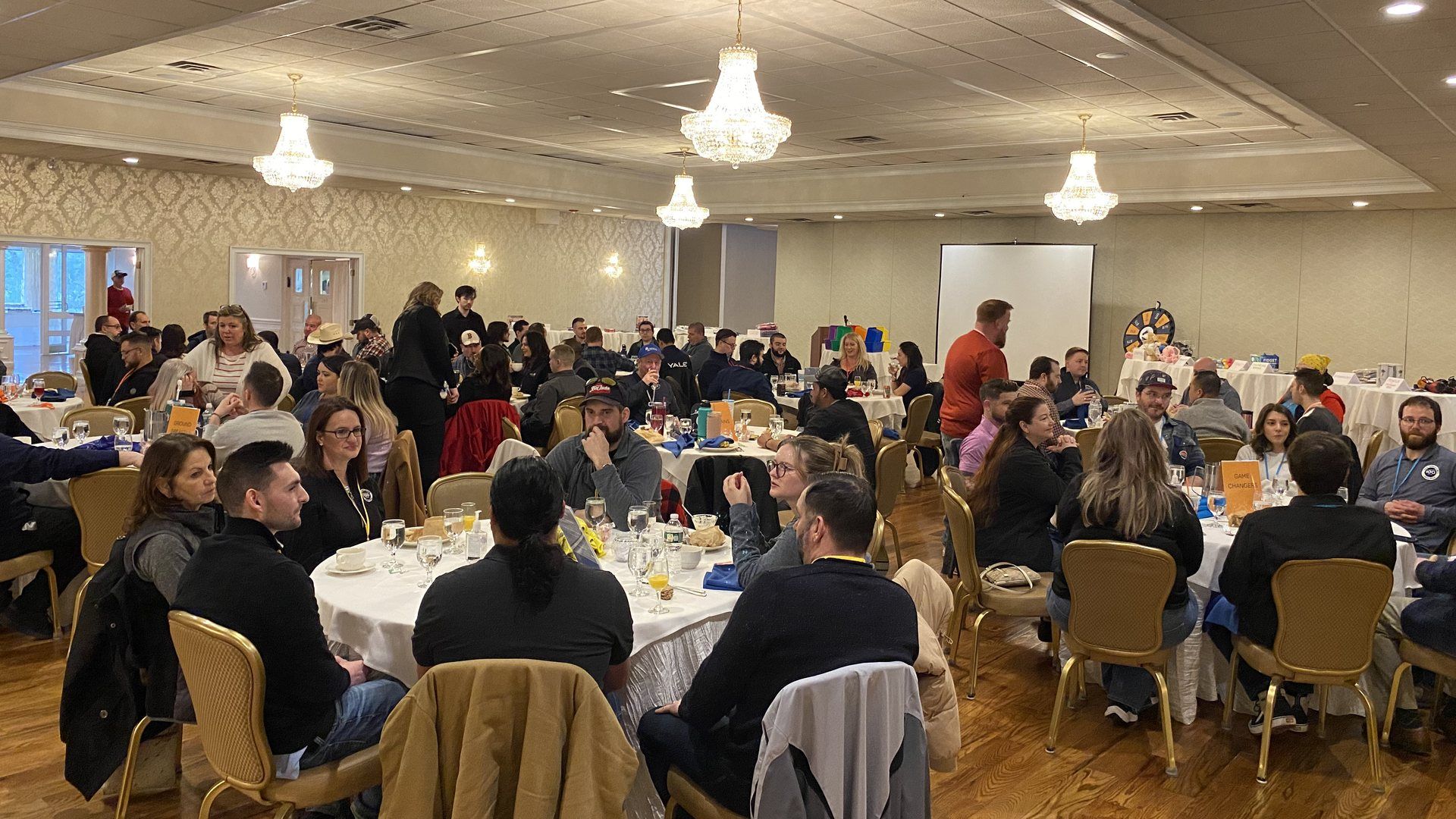
But if somebody makes a reasonable offer, I'll listen.
My first two questions would be about the employees who've been here for decades and how they plan to make Yale better.
If they don't have good answers, it's not for sale. If they do, we can talk.
Steve Sheinkopf is the third-generation CEO of Yale Appliance and a lifelong Bostonian. He has over 38 years of experience in the appliance industry, and he is a trusted source of information for consumers on how to buy and repair appliances.
Steve has also been featured in numerous publications, including the New York Times, Consumer Reports, The Boston Globe, Bloomberg Radio, the New York Post, The Wall Street Journal, and Entrepreneur, for his knowledge of how to buy appliances and appliance repair.
Steve is passionate about helping consumers find the best appliances for their needs, and he is always happy to answer questions and provide advice. He is a valuable resource for consumers who are looking for information on appliance buying, repair, and maintenance.
Despite being the worst goalie in history, Steve is a fan of the Bruins and college hockey, loves to read, and is a Peloton biker. The love of his life is his daughter, Sophie.
Why Should You Trust Us?
It seems that every appliance review has nothing but glowing comments about almost every product, yet you read customer reviews and they are almost universally bad.
We are here to fill in the disconnect. We'll give you the best features, and the drawbacks as well, including reliability based on over 33,000 calls performed by our service team just last year. Our goal is to give you ALL the information so you know what's right for you.
Please consider subscribing or adding to the conversation in the comments below. We appreciate you stopping by.